A property label helps organize a roof inventory, but it does not identify the assembly or the next repair. We group records by roof section, use, access, and operating constraint. Grand Prairie’s Great Southwest Industrial District supports warehouse, distribution, and manufacturing activity, while separate corridors and the Central Business District include other commercial uses.
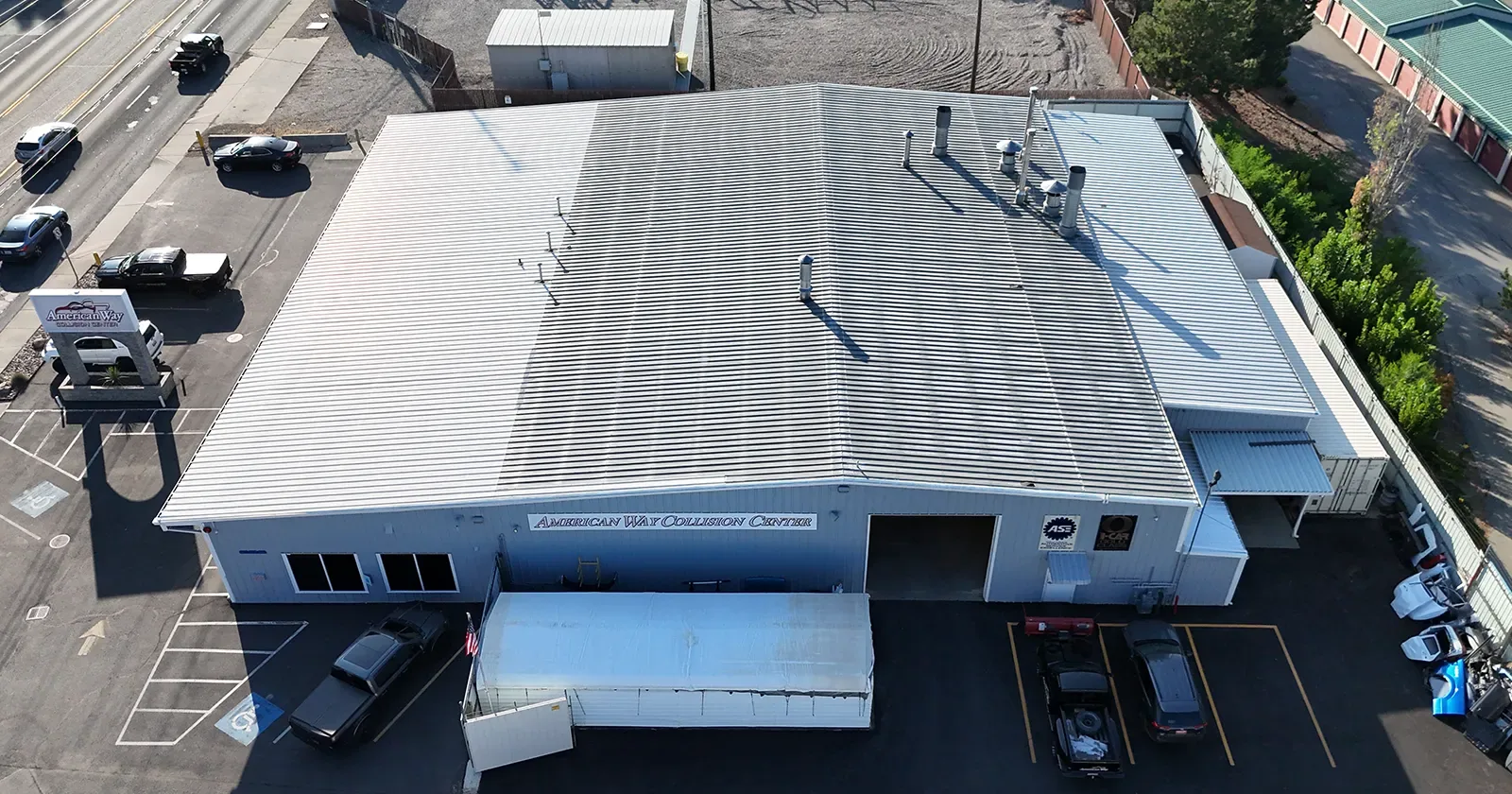
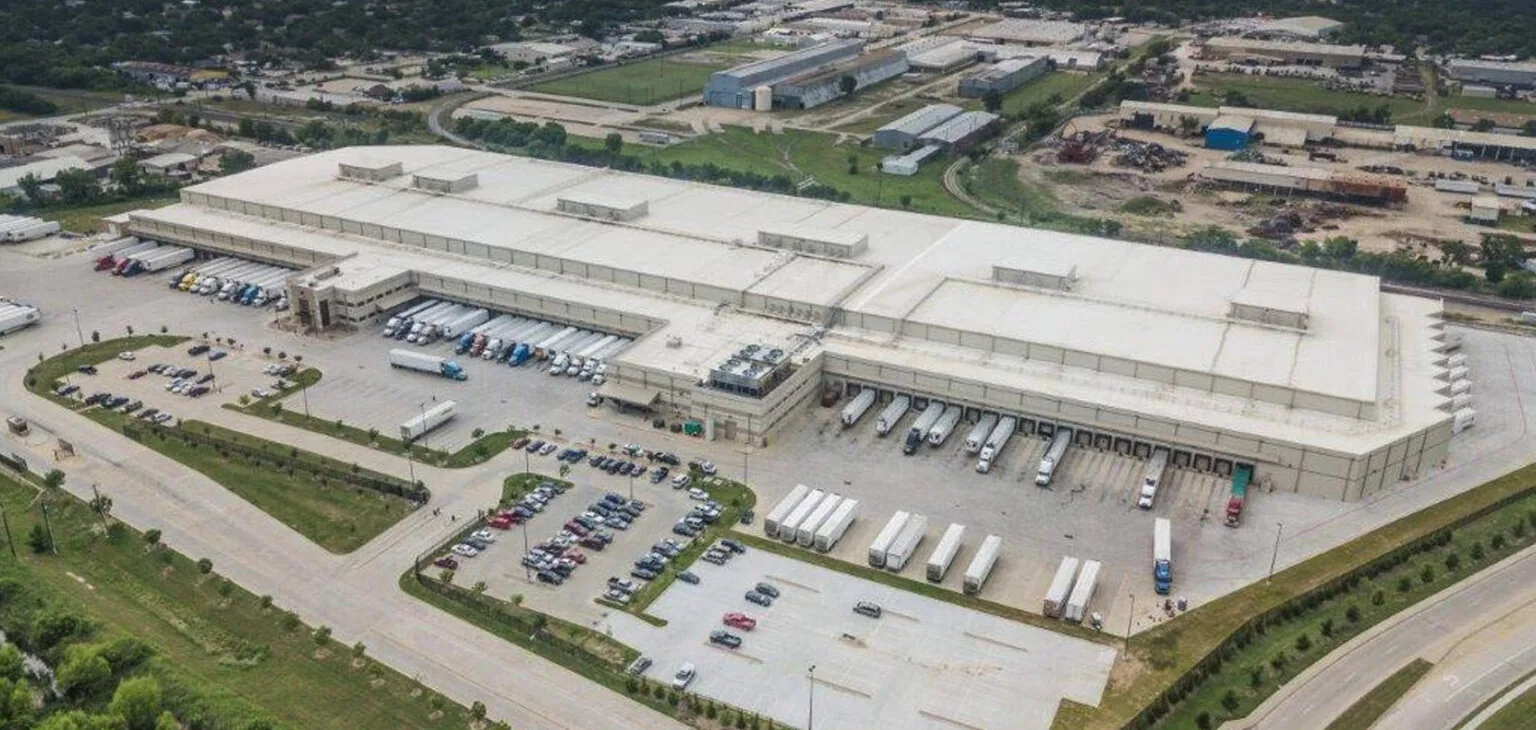
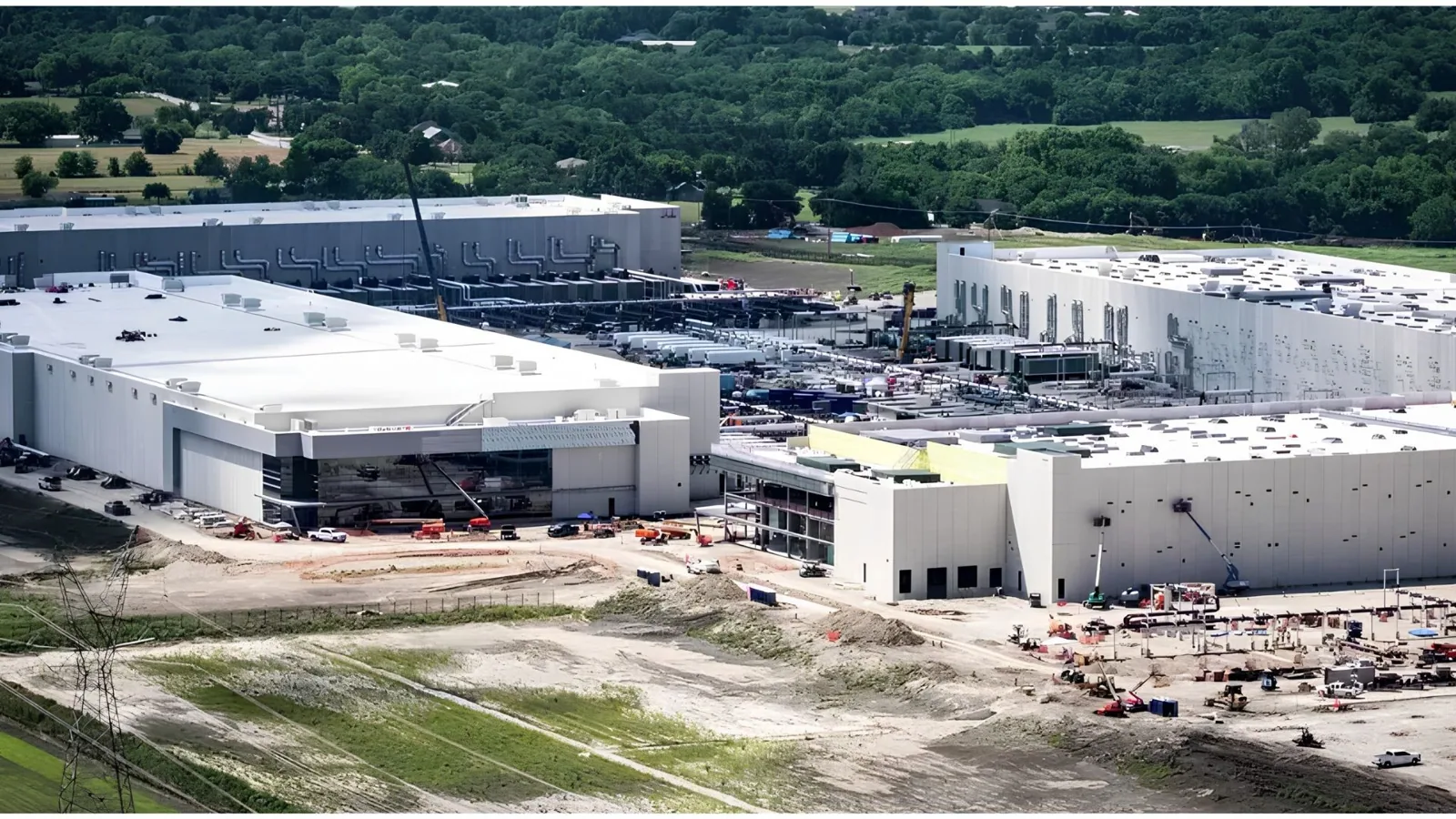
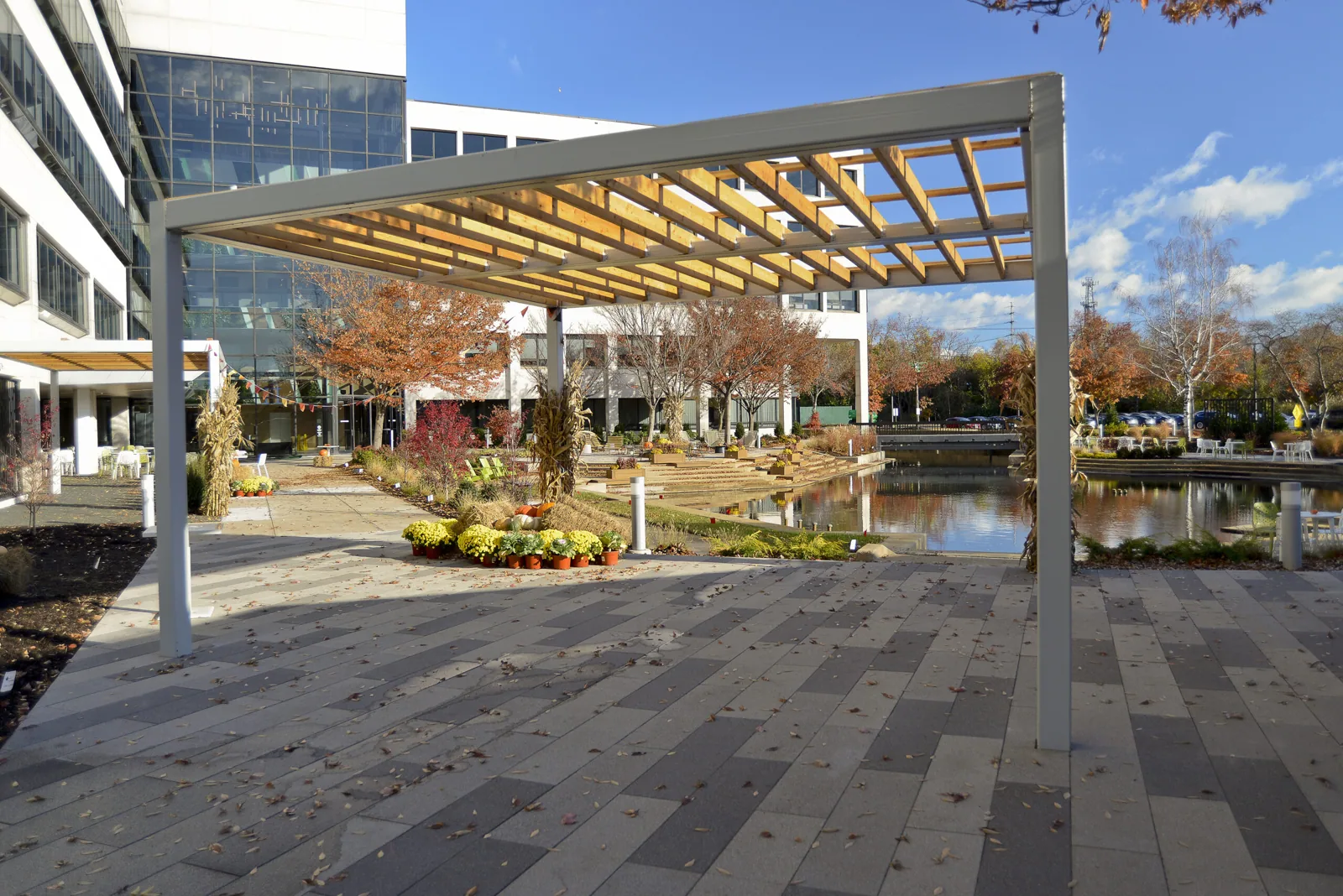
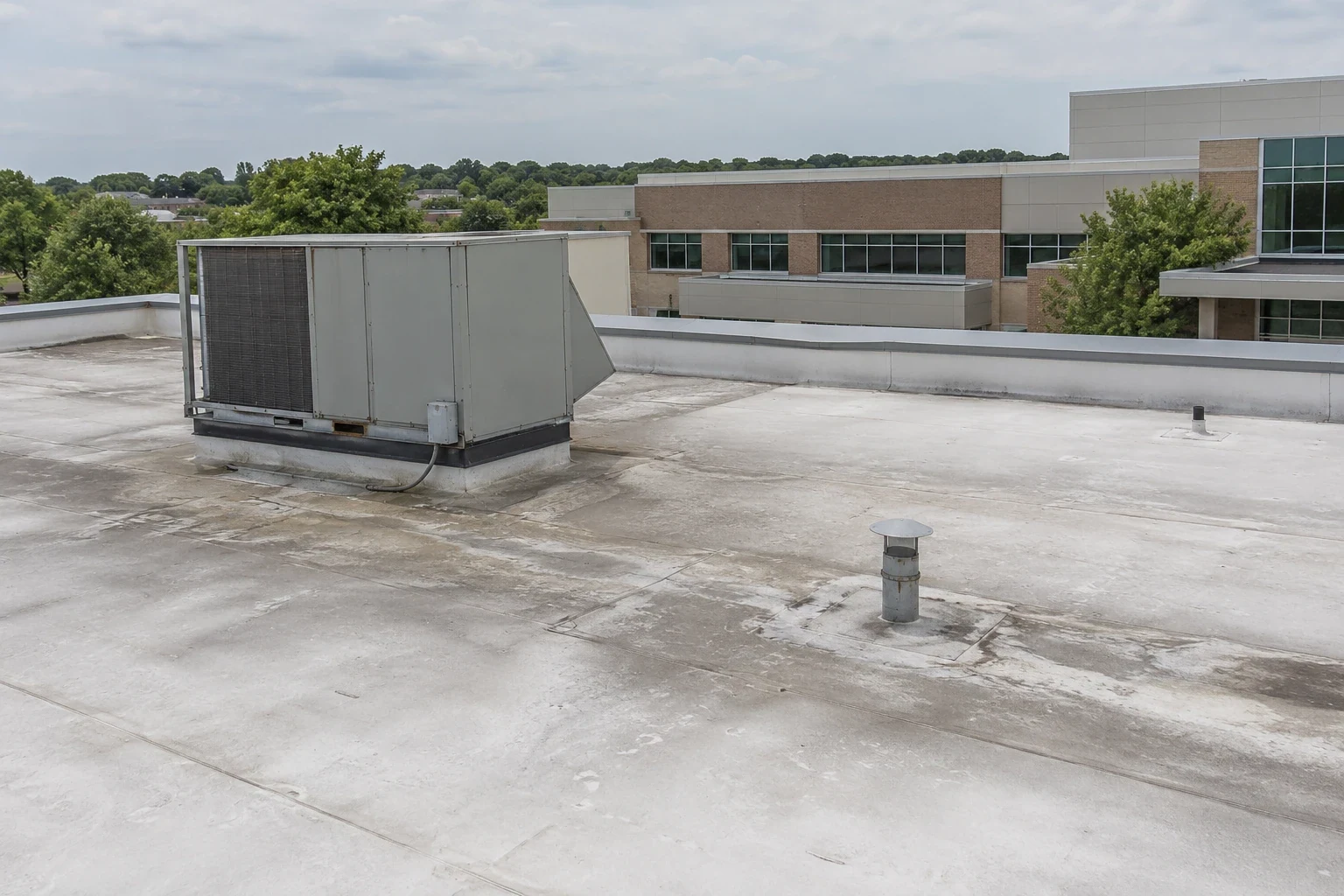
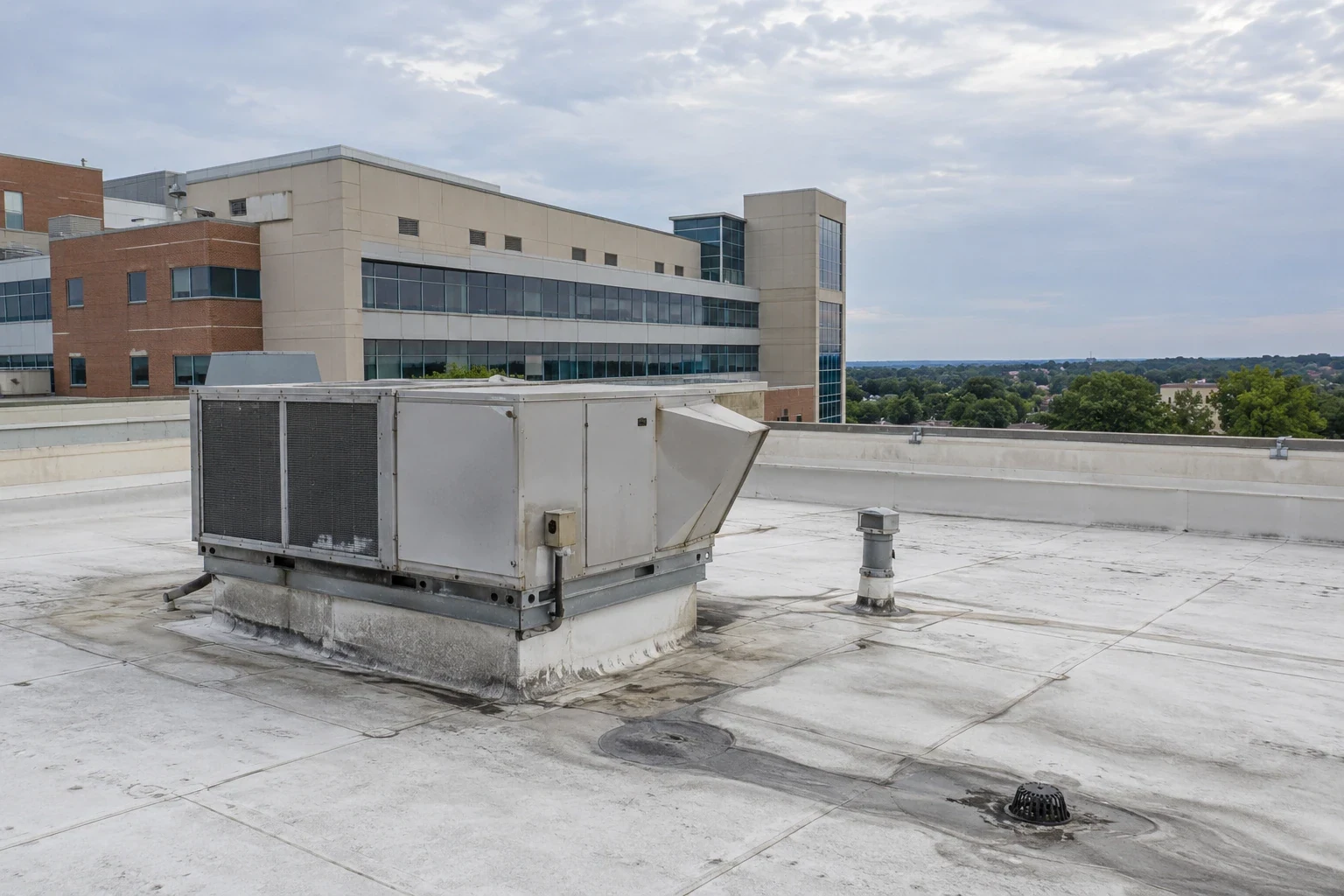
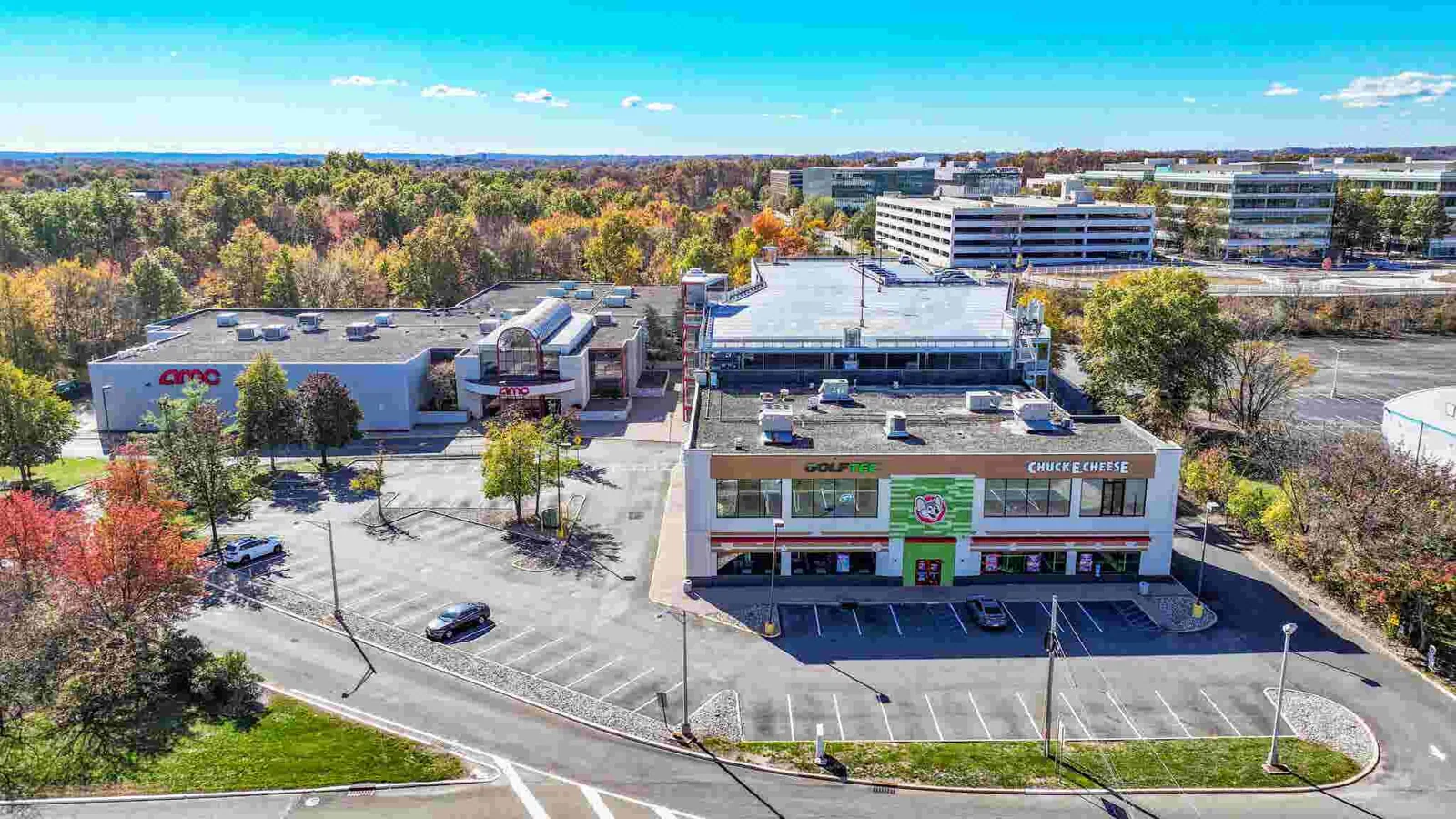
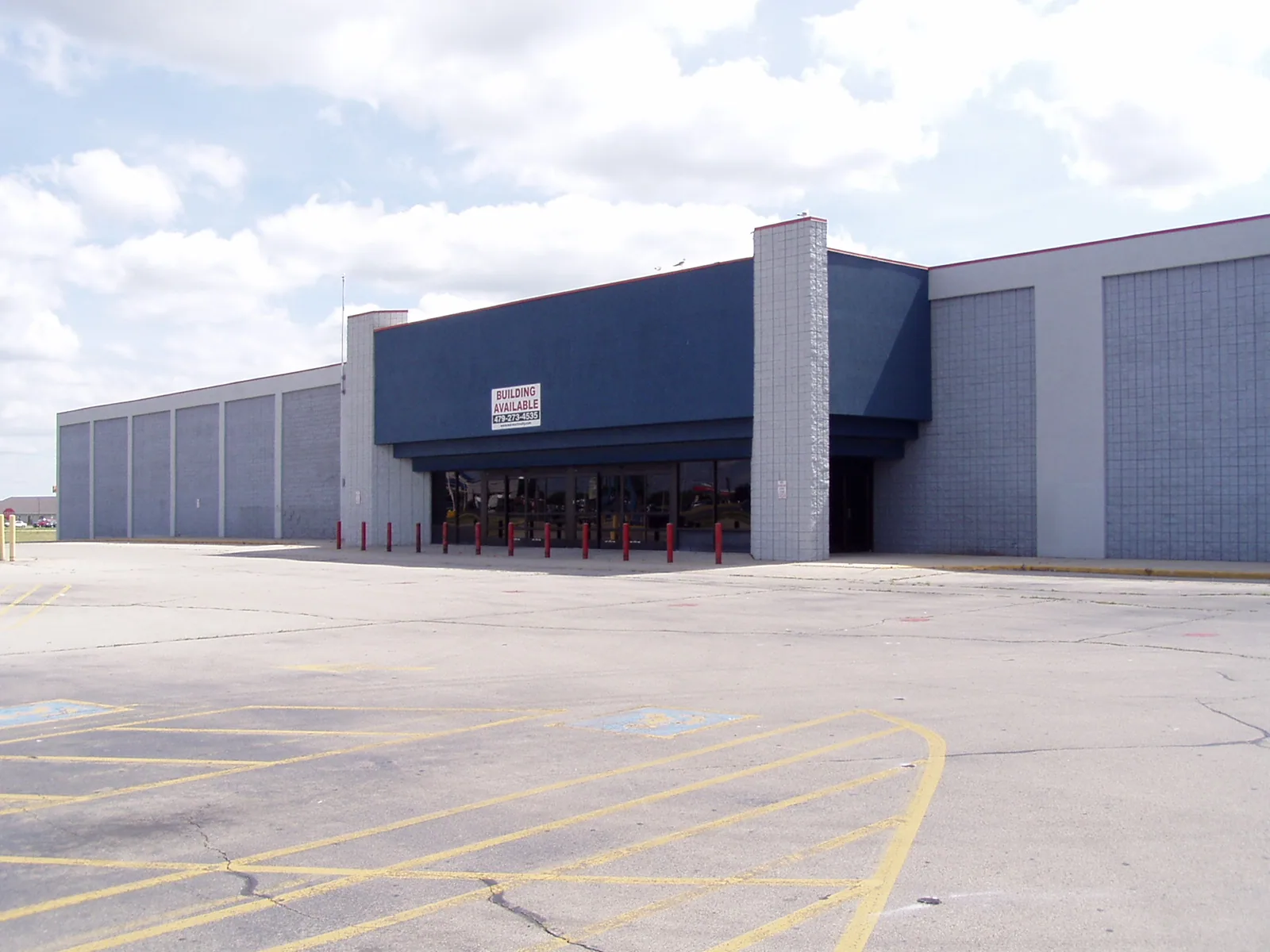
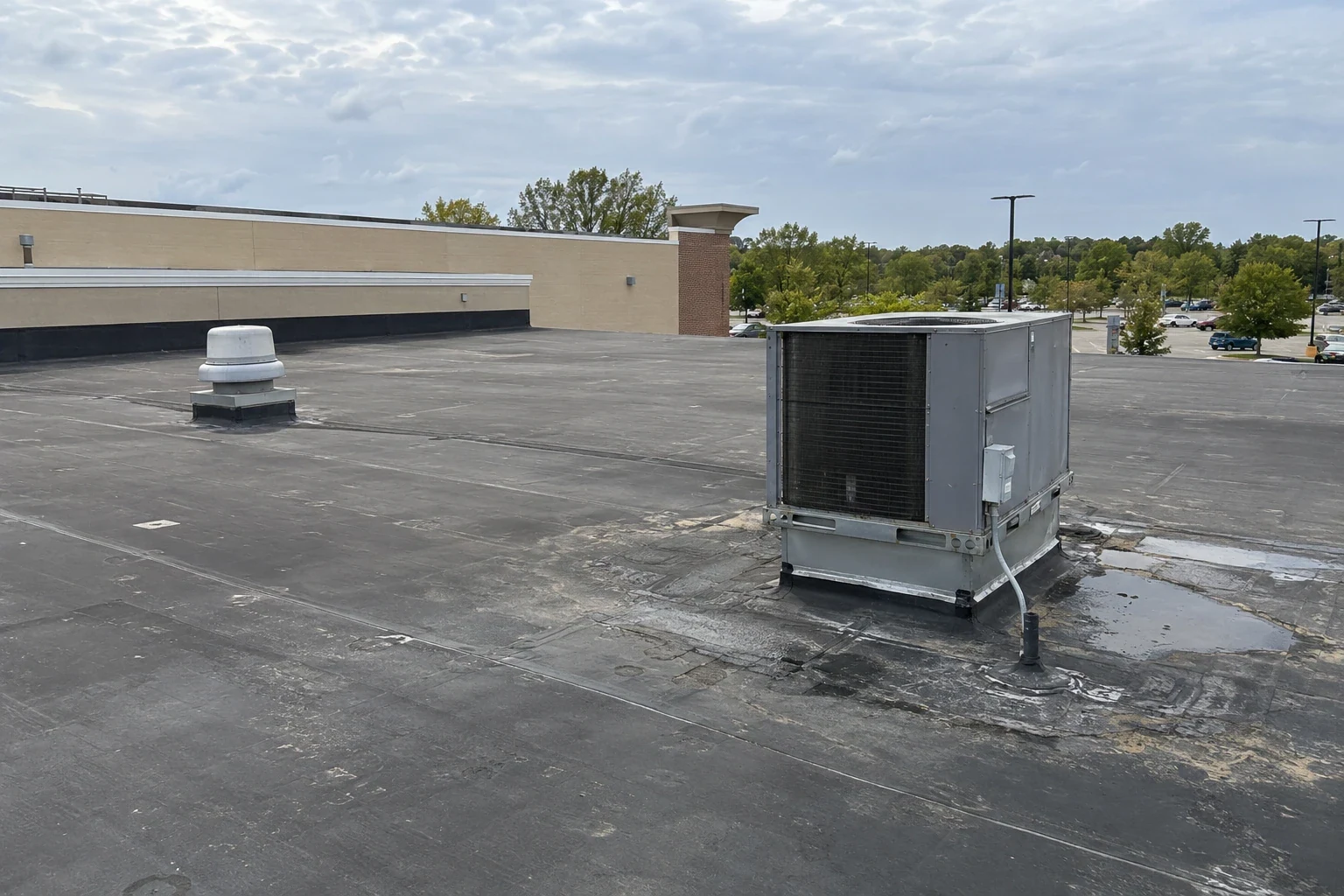
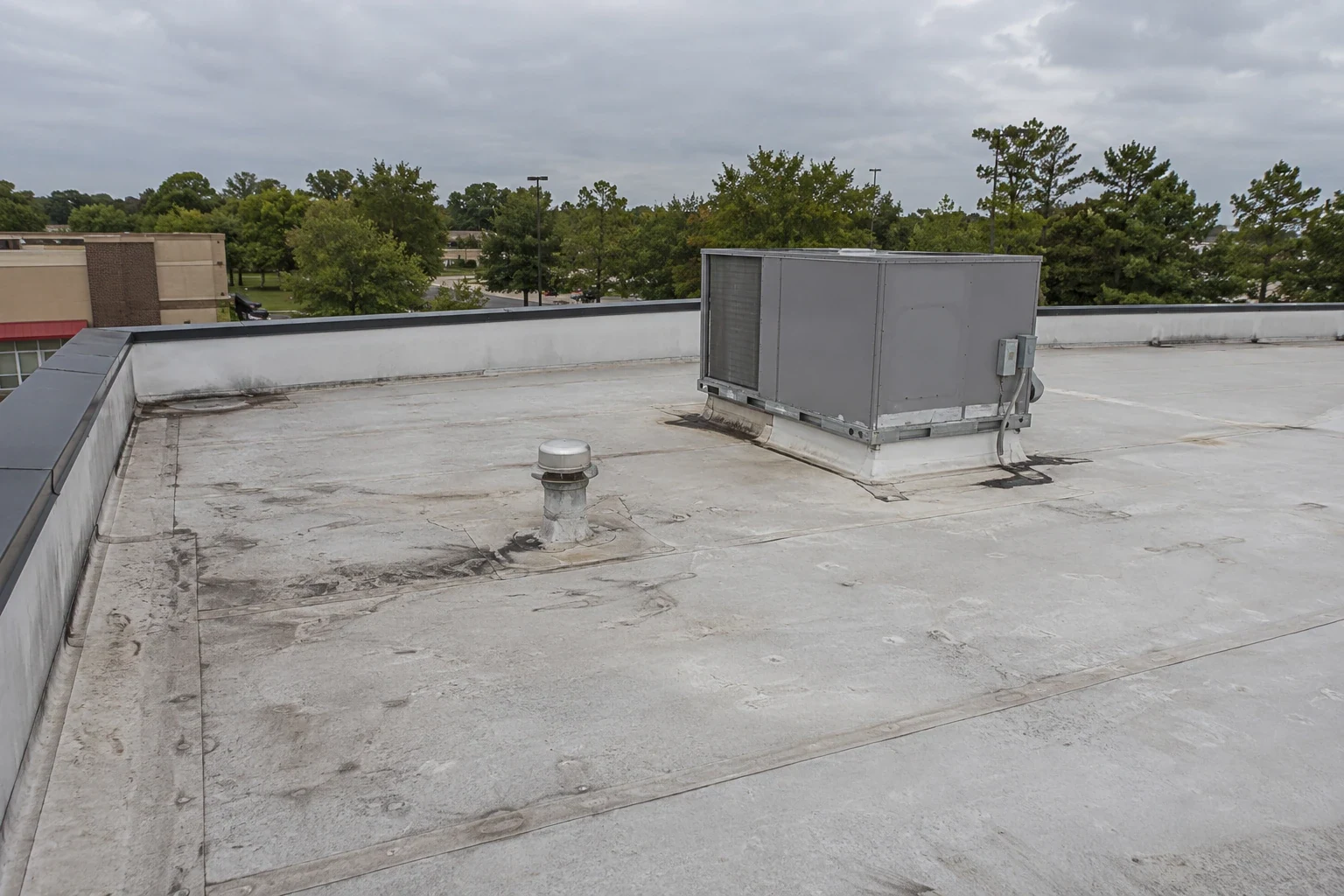

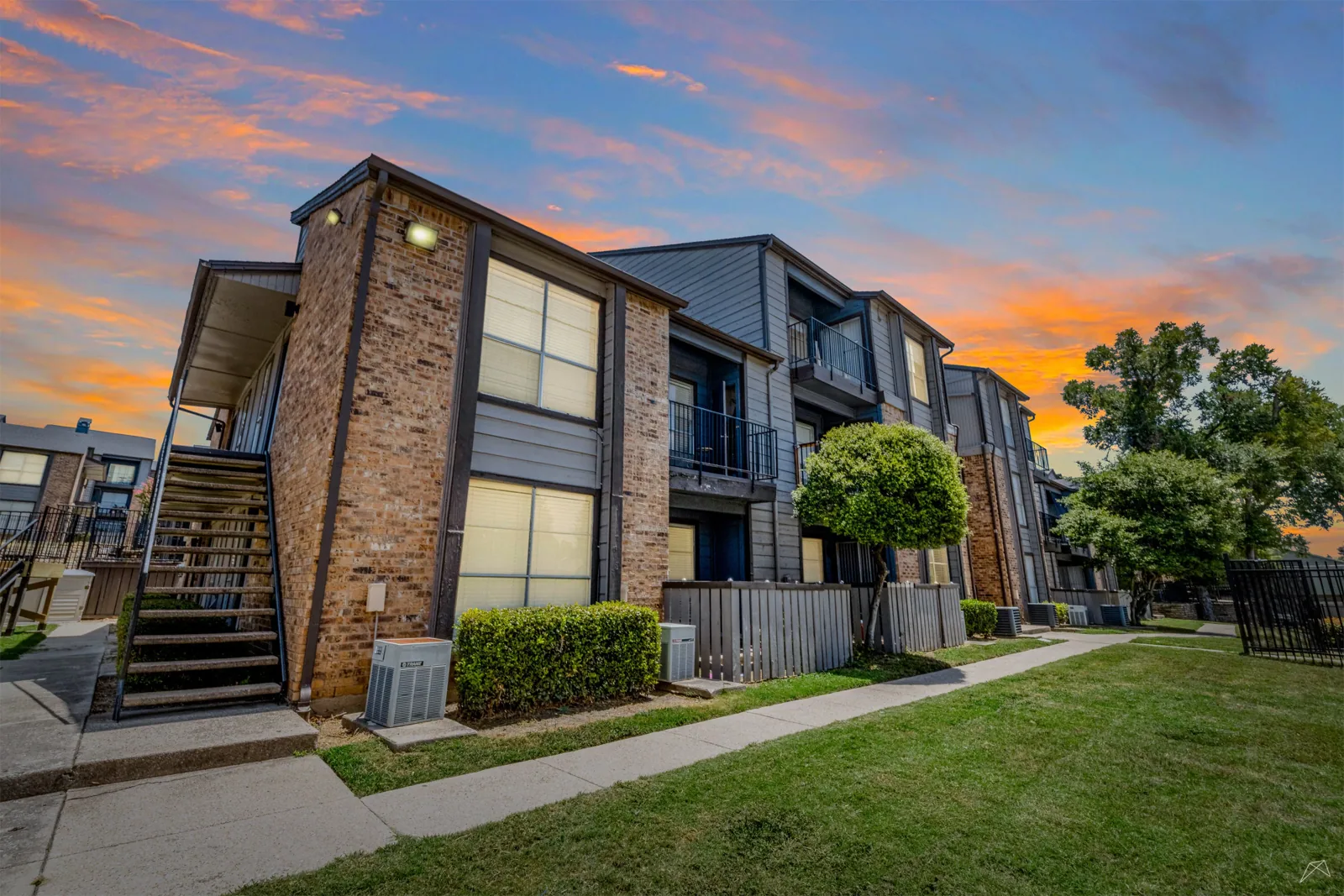
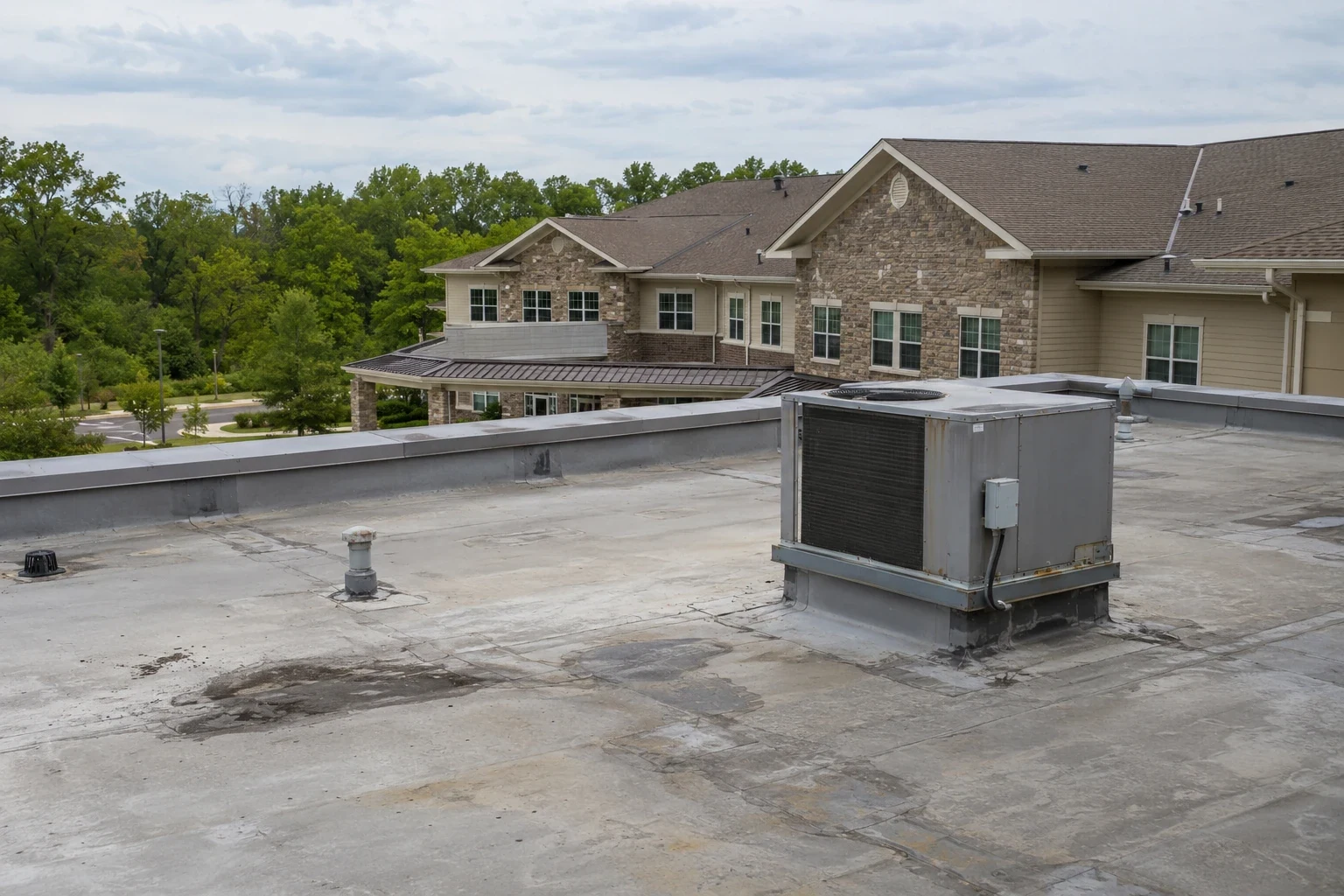
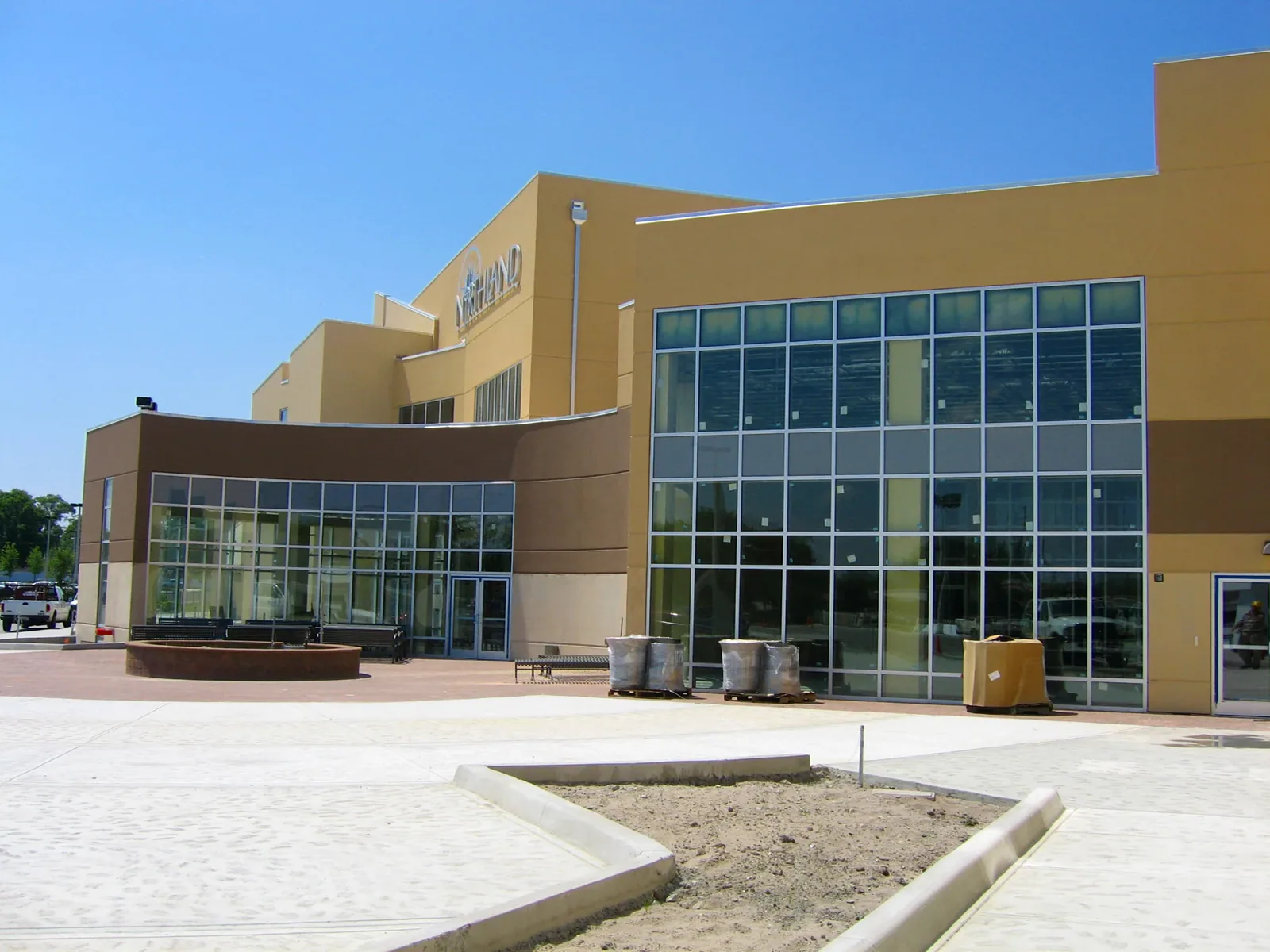
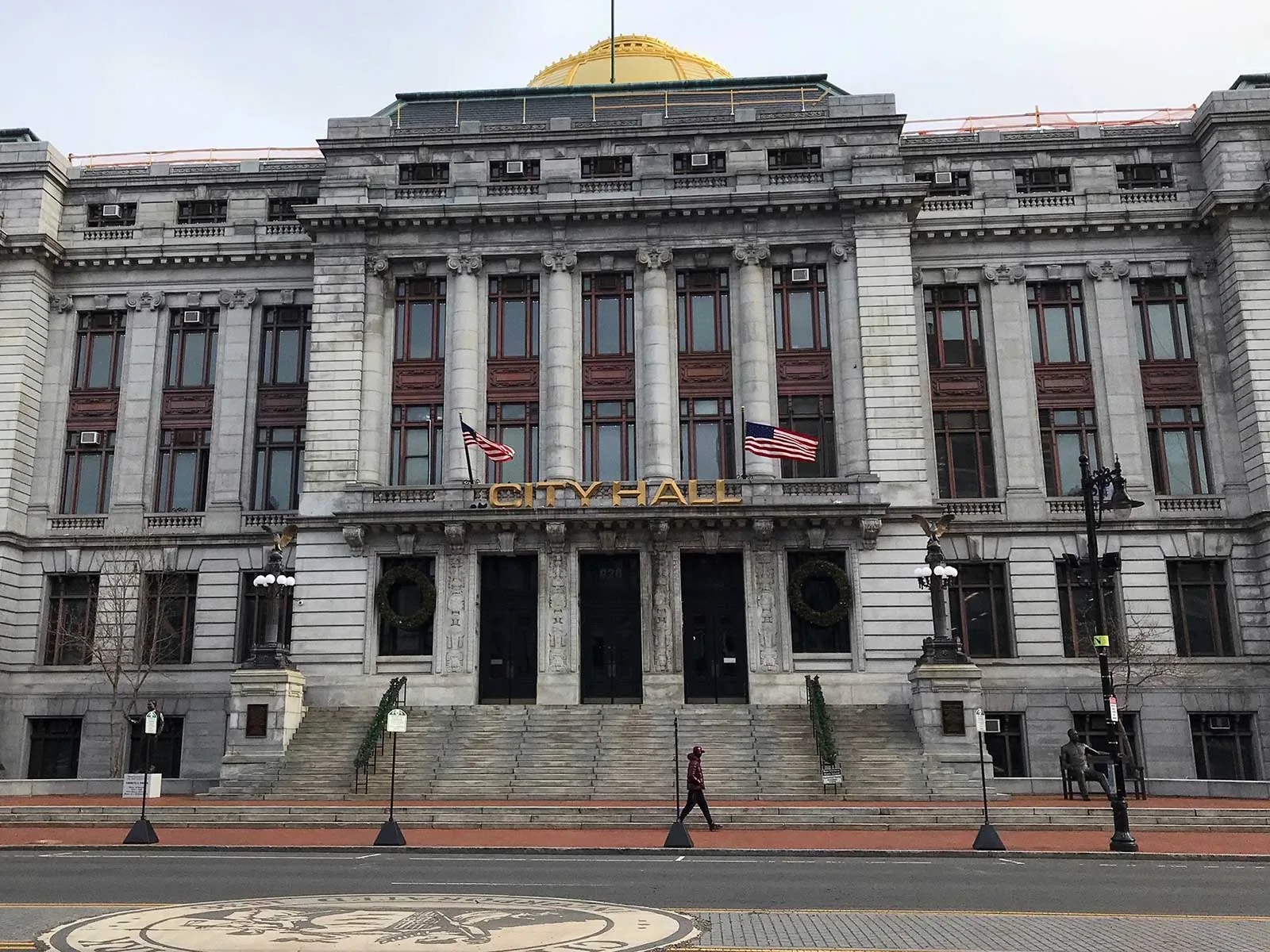
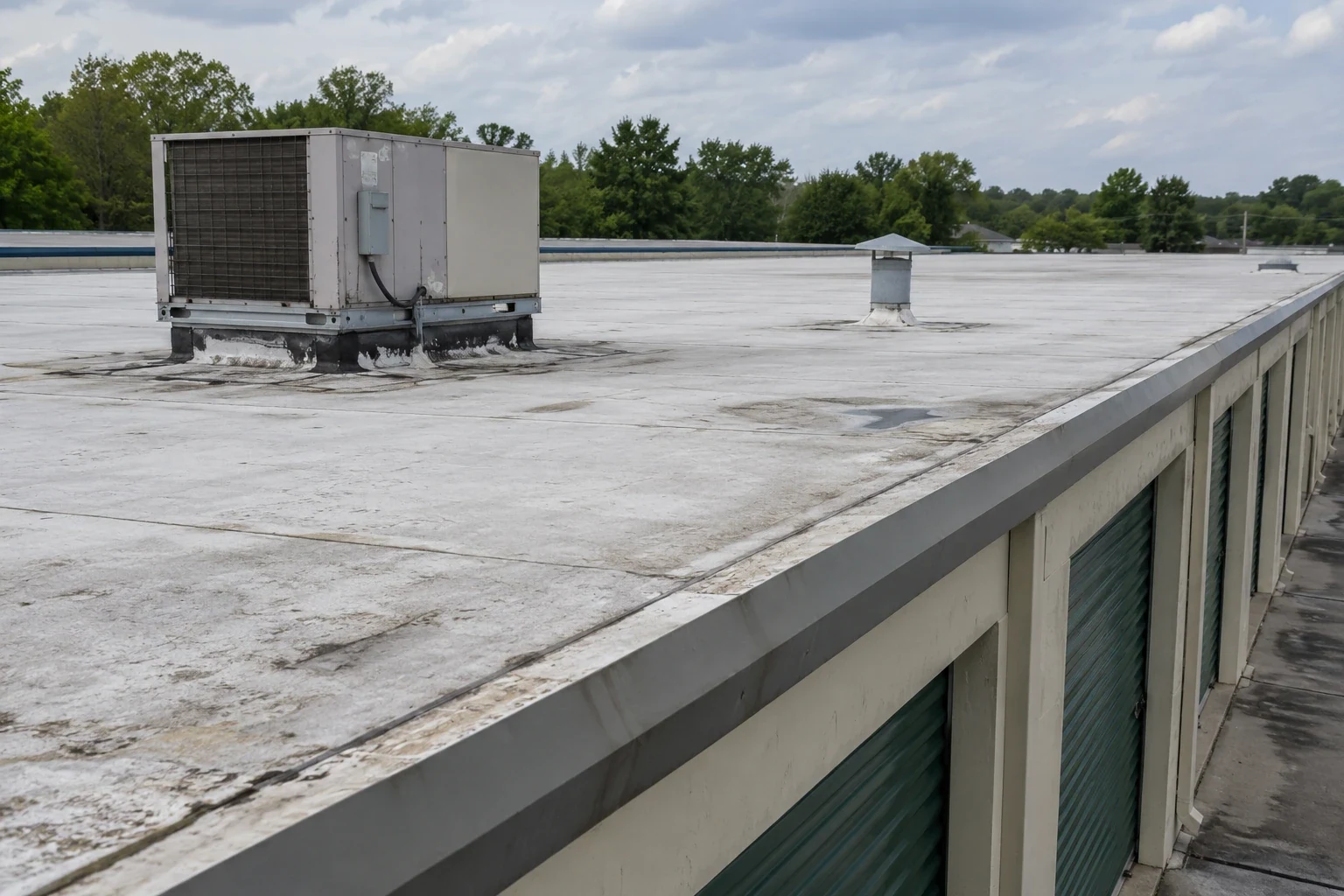
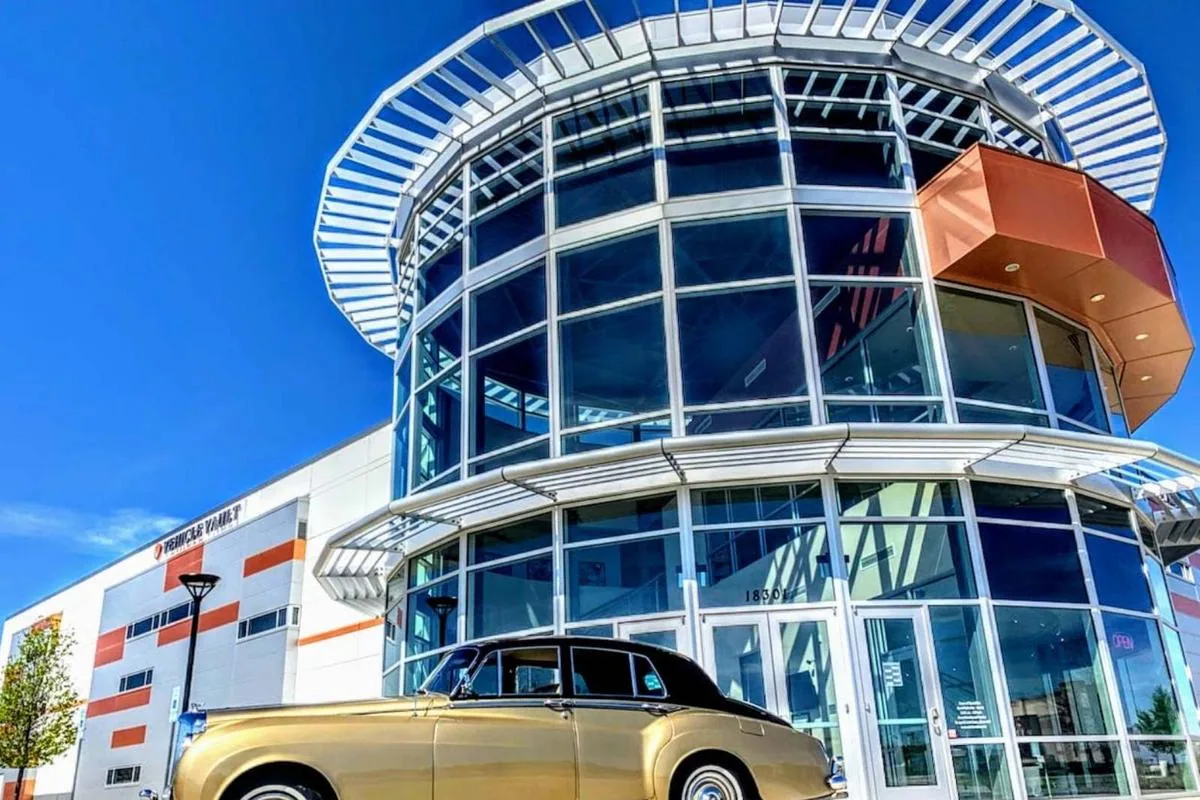
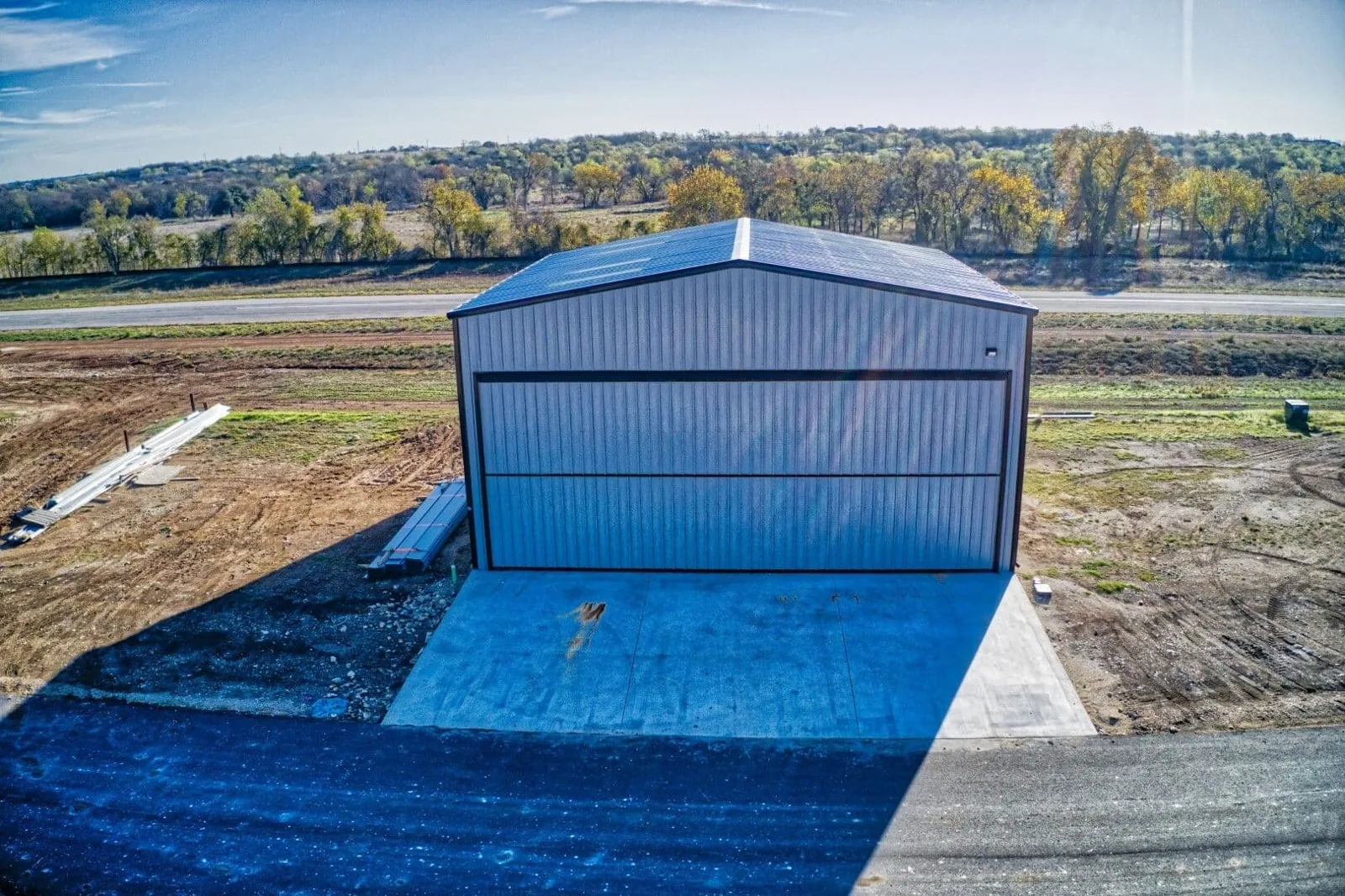
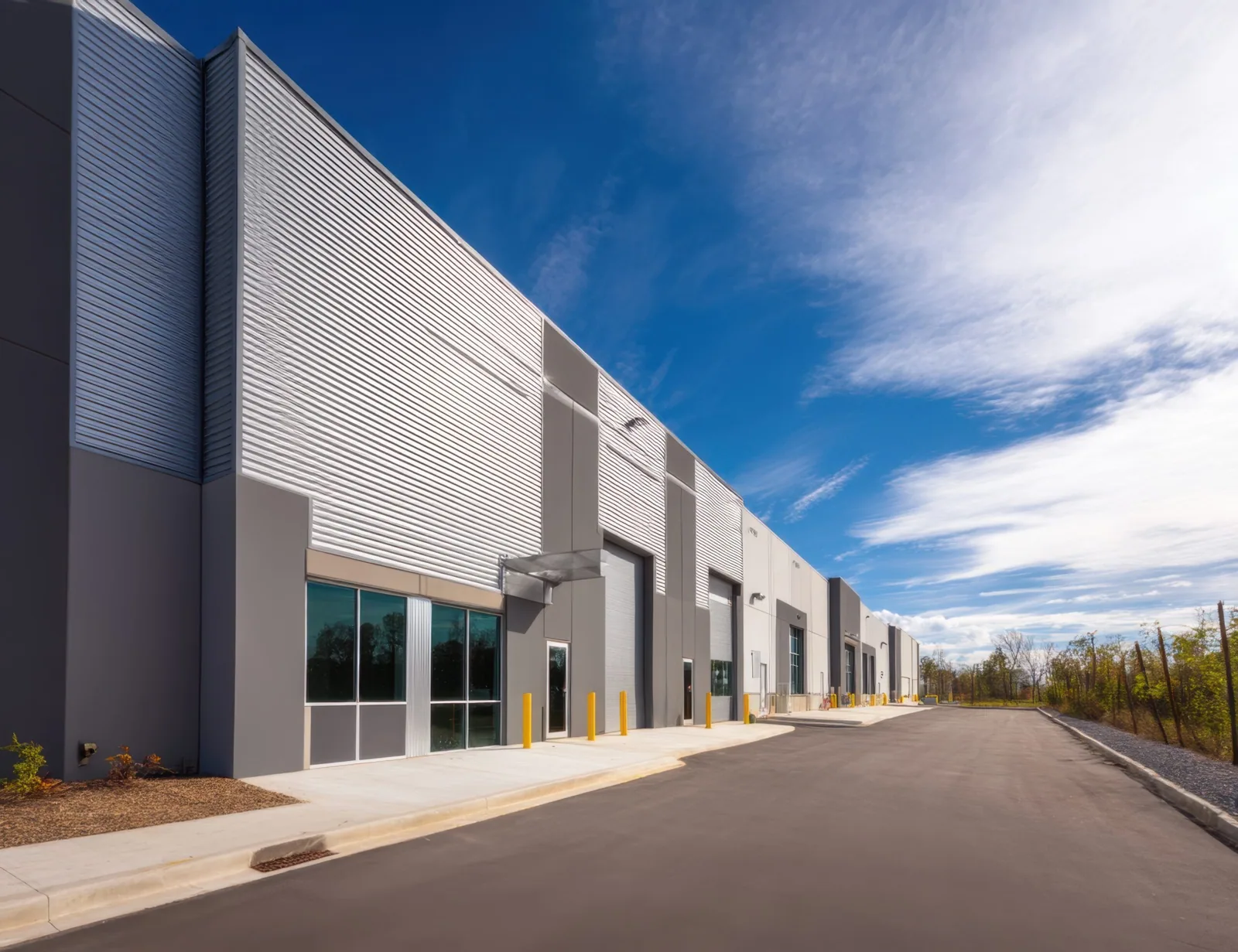
Inventory by use:
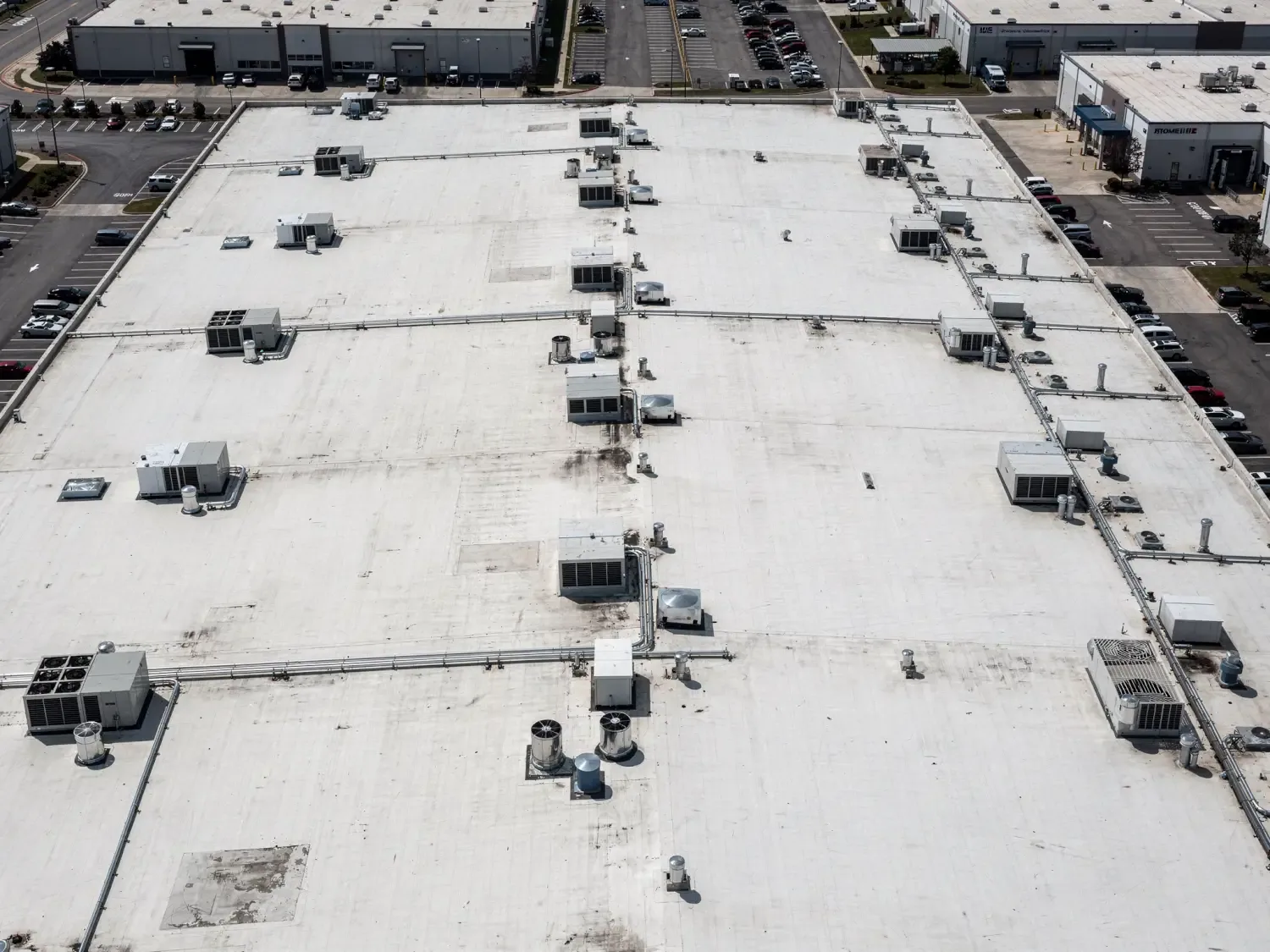
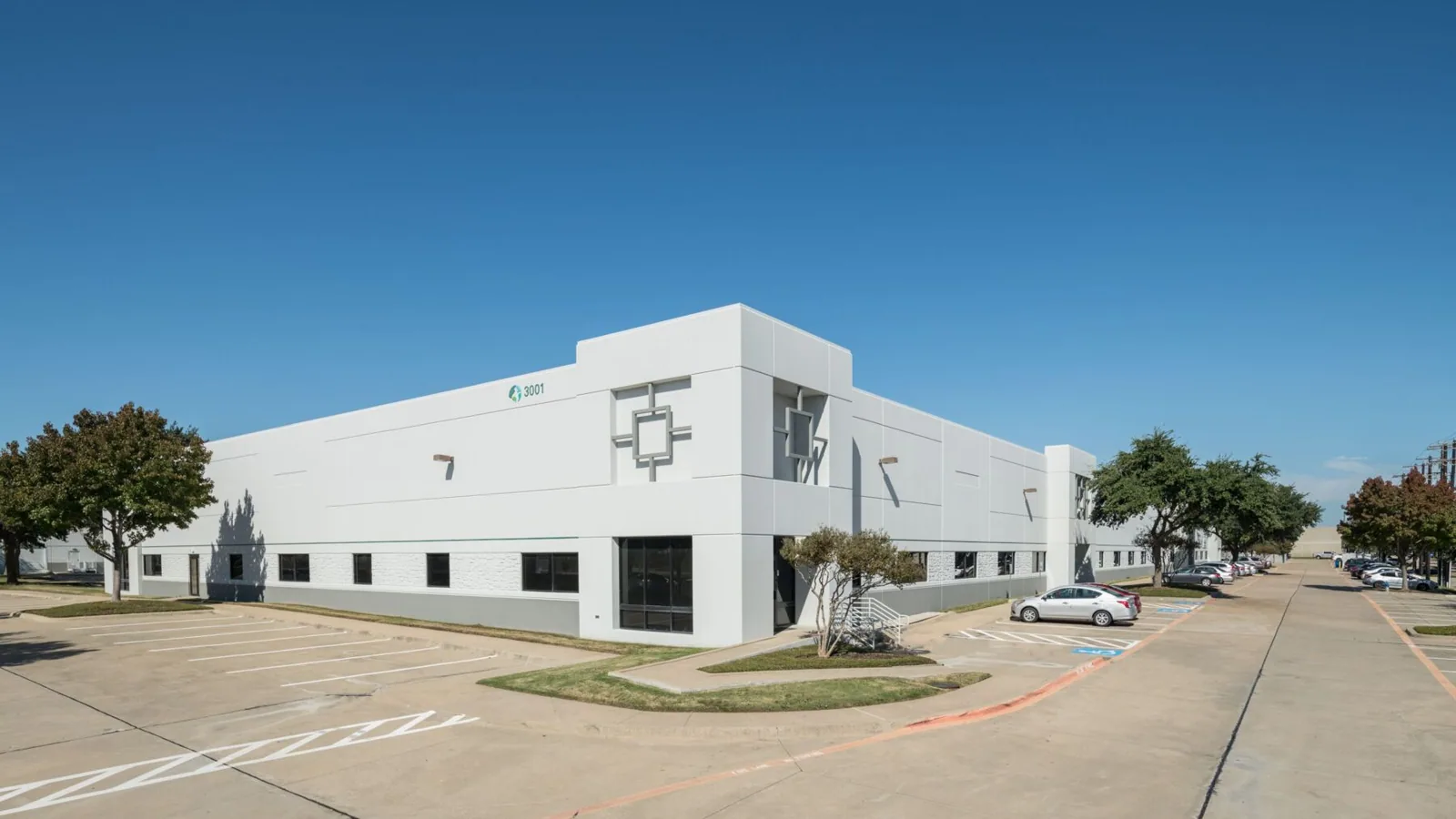
Start with a roof plan that separates buildings, additions, and equipment zones. A warehouse roof may have long field seams and dock-side staging constraints. A distribution center may need clear freight routes and a sequence that keeps selected doors available. Neither use tells us the age or condition of the roof; the property record and inspection do.
Industrial roofs need zones:
Great Southwest contains broad industrial and distribution uses, but its roofs do not share one construction history. We note membrane transitions, equipment curbs, edge details, drains, and any separation between original work and later additions. The inspection ties each photograph to a roof zone, and a condition report distinguishes observed conditions from questions that require another test.
When work crosses an operating property, mark safe access, staging, and temporary protection before pricing. Loading and truck movements can shape where material arrives and when a roof section can be released.
Retail and office differ:
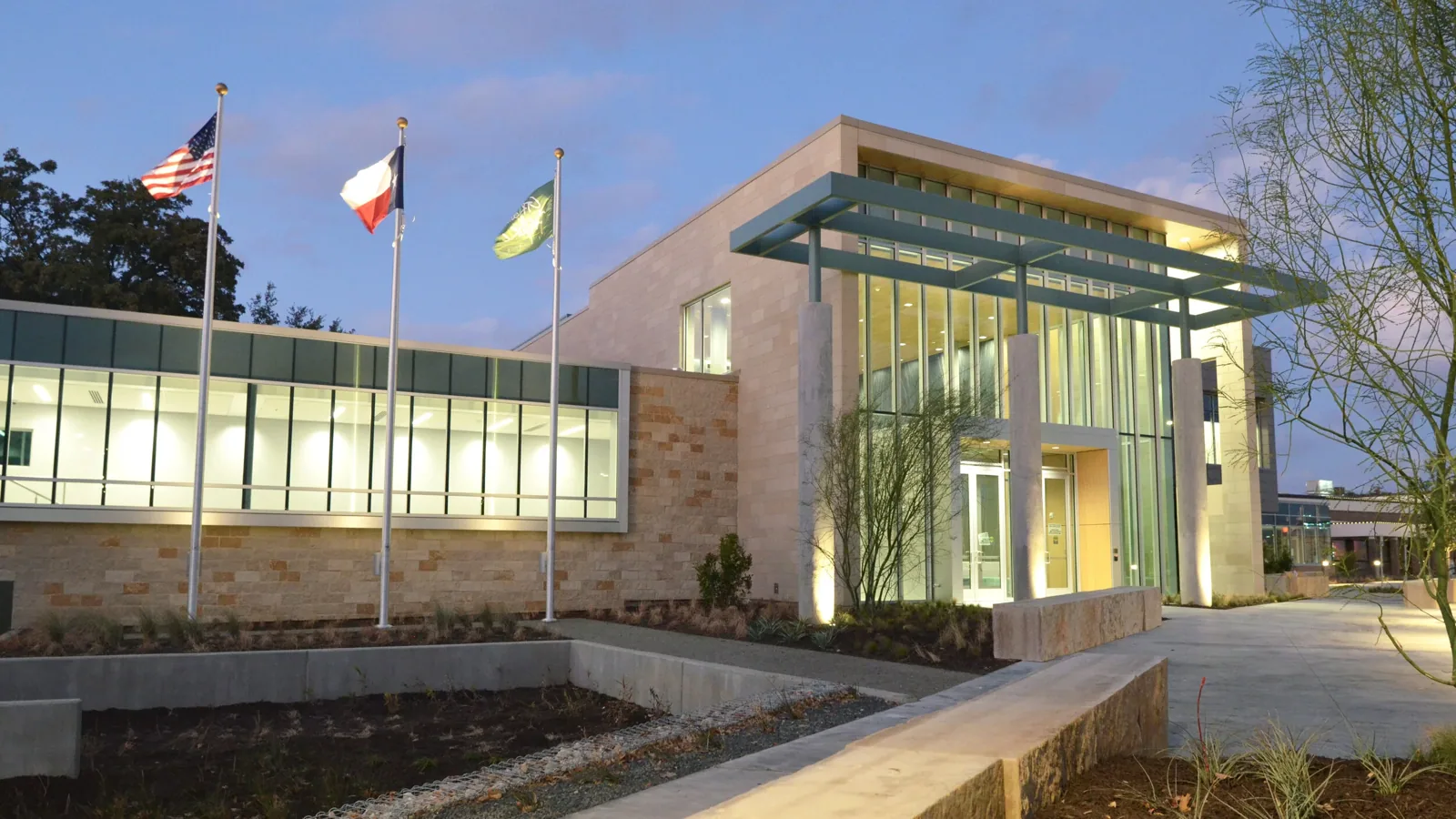
Retail and office roofs introduce different access patterns, equipment schedules, and occupant communication. A commercial office roof may require a narrow access window around building operations; a retail property may need coordination across shared areas. We confirm who authorizes the work and which roof area the scope covers.
Interstate 30 is a business and entertainment corridor, and I-20 is a developing retail and corporate location. Those broad place facts explain why the city has varied commercial property uses. They do not substitute for the building-specific roof review.
Make records comparable:
For a multi-property owner, use consistent fields for assembly, condition, urgency, repair boundary, access limit, and follow-up. A maintenance program can keep those observations current. Where a roof is near the Central Business District or in Great Southwest, the local setting helps prepare access, while the findings remain tied to the actual roof.
Commercial Roofing Questions
How should a multi-building roof list begin?
Use the property plan and assign a distinct identifier to each roof section. Add the known assembly and access constraint, then confirm details during inspection.
Can a warehouse record apply to a nearby building?
Only if the documented assembly and condition match. Adjacent roofs may have different additions, repairs, drainage, or access limitations.
What changes between industrial and retail roof work?
Staging, loading, tenant notice, and available access windows may differ. We record those constraints before deciding how to phase the work.
What helps compare repair proposals?
Compare the roof boundary, assembly assumptions, included details, exclusions, and closeout requirements. A written comparison makes differences easier to resolve.