
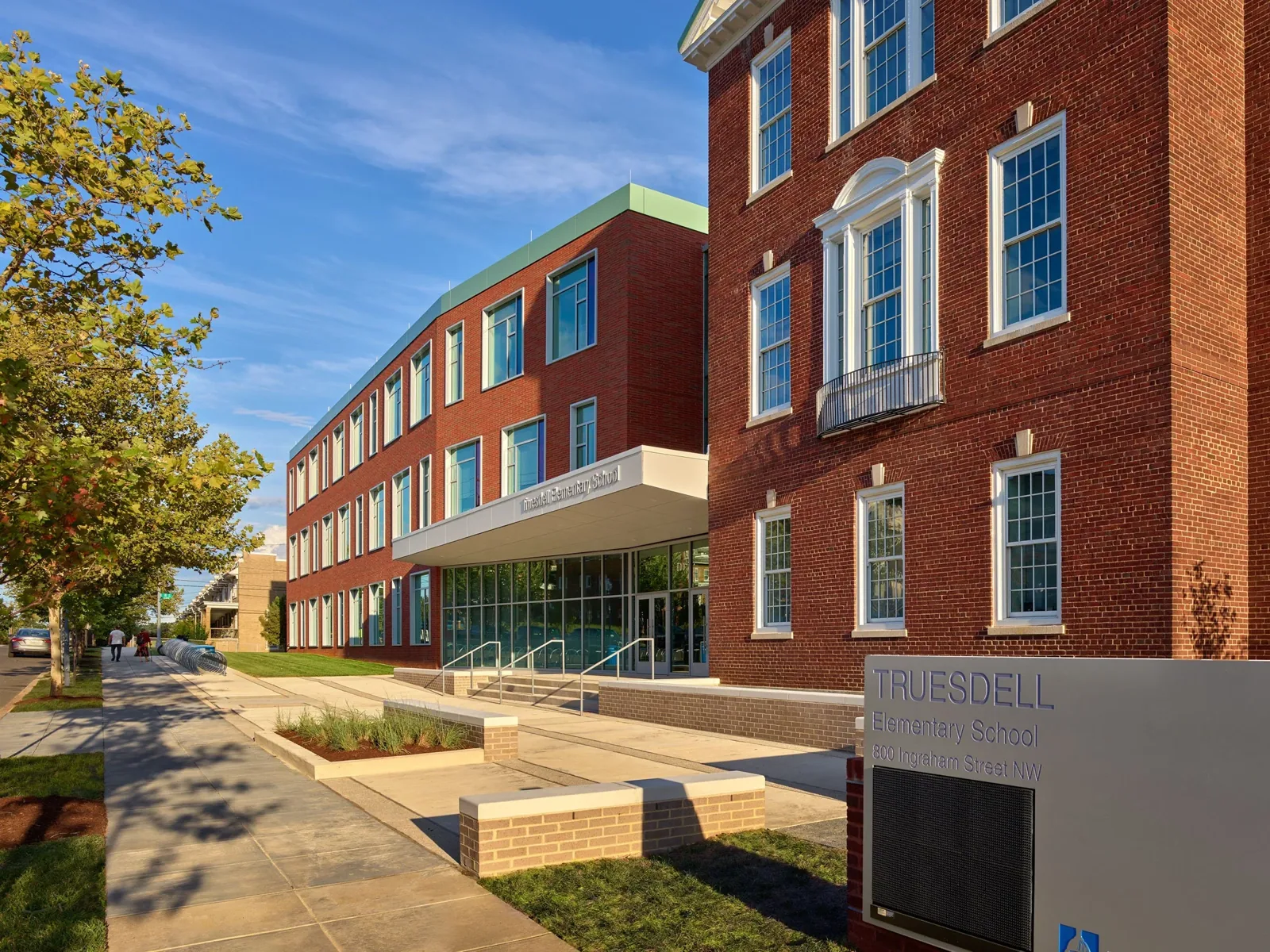
A school roof scope has to protect the rooms below while keeping students and staff away from the work zone. We start by mapping the affected roof section, drains, equipment, and interior reports, then confirm the access window with the facility contact. Grand Prairie summers bring high roof temperatures, which can influence safe work periods and material handling. That climate does not diagnose a roof; the observed assembly and water path do. We document the first check, define which rooms or entries may be affected, and set the sequence before opening the surface.
Locate the room and the roof section
A ceiling mark, odor, or wet finish gives the inspection a place to begin. We record the room, time, and conditions, then compare them with roof seams, penetrations, drains, and wall transitions above and nearby. Water can travel before it reaches a classroom, so the stain alone does not establish the opening. The field map ties photos and tests to roof zones and notes whether interior protection or a temporary room restriction is needed while the source is checked.
Grand Prairie contains separate mapped contexts, including the Central Business District and Great Southwest Industrial District. Their roof access patterns differ from one another, while school work follows the individual campus circulation and building schedule. We confirm the actual entrances, fire routes, occupied rooms, and maintenance access rather than infer them from a map. A college or university roof plan may require another access sequence, but the record format can still identify each building and roof section clearly.
Check the roof assembly before selecting a repair
We identify the visible membrane or metal system, check its seams and edges, and note previous repairs, coatings, and equipment changes. At suspect locations, we examine the insulation and cover board for softness or moisture evidence. An older drawing may not match every addition, so uncertain sections are labeled for verification before the proposal treats them as one assembly. The inspection distinguishes a repairable transition from a broader failure and shows which condition would change the scope if concealed layers are opened.
A school may have several roof areas added at different times, each with its own slope, drain route, and equipment load. We separate those sections on the map instead of specifying a single system across the property by default. When moisture is suspected, a survey helps target verification. Moisture testing with follow-up can establish whether wet insulation extends beyond the reported room. The scope can then compare a local repair, recover, or removal without confusing surface appearance with assembly condition.
Follow the water path through roof details
Drains, scuppers, internal leaders, and low areas are reviewed with the membrane field. Debris or a damaged outlet can slow water movement, while a loose curb or wall transition can admit it before it reaches a drain. We trace the likely path, photograph each suspect detail, and mark any area that needs an interior check. If a leak report follows rain, we compare it with actual roof conditions and do not assume that a regional storm caused the observed damage.
School maintenance teams can inspect drains before the DFW area's two rainier transition periods and document any ponding afterward. That supports a careful drainage review after reported water entry, but it is not evidence that a specific school roof flooded. We record ponding only where observed and test uncertain areas before assigning a replacement boundary. Drain and scupper repair can be included when an outlet affects the water path. The written scope keeps drainage corrections distinct from membrane repairs, so each task has a clear location and closeout photo.
Sequence work around the school day
Before work begins, we confirm campus access, delivery routes, roof-entry rules, restricted areas, and the rooms that need interior protection. The plan identifies where a lift or debris container can sit without crossing student routes or blocking emergency access. A work zone may need fencing, signs, a spotter, or a temporary closure depending on the building's layout. We schedule noisy or disruptive tasks with the facility lead, then secure any open roof area before the crew leaves.
Summer heat affects roof-surface conditions and worker pace, while weather can interrupt a planned installation. We divide a project into sections that can be dried in each day and clarify who can authorize a schedule change. An occupied healthcare building has different continuity needs, but both scopes require a named access contact and clear daily protection. The proposal lists staging, notices, interior safeguards, and any shutdown or trade coordination so the school can plan before materials arrive.
Compare the repair area with the capital plan
A contained seam or flashing repair may fit when surrounding membrane, substrate, and drainage remain sound. Repeated leaks, widespread moisture, or deterioration across connected sections can support a larger replacement plan. We mark what remains serviceable, identify tests still needed, and show which costs depend on concealed conditions. If the assembly qualifies for a recover, that alternative is compared with removal and replacement, including edge height, drainage, attachment, and project requirements.
School work is often planned within an access window, but the best scope is still determined by the roof evidence. A phased project may address urgent rooms first and coordinate larger work with a future capital cycle. We explain which sections can be isolated, what must stay protected, and how the daily closeout keeps the campus dry. A documented condition inspection can support that decision with photos and a roof map. It can also help compare priorities across administrative buildings without treating their assemblies as identical.
Leave a clear record for facilities staff
The closeout file identifies the repaired roof section, materials, test results, drains or transitions addressed, and any area excluded from work. Photos show the initial condition and completed detail. We note schedule interruptions, access changes, and interior locations that need follow-up. The facility team can use that record to compare later reports and prepare notices or room protection before the next roof visit.
Grand Prairie's separate highway corridors and business districts create varied access contexts, but a school project remains tied to its own campus map. The I-30 corridor is a documented business area; that fact does not describe any particular school's roof. Tell us which room is affected, where staff can provide roof access, and whether water is still entering. We will trace the likely path, coordinate interior protection, and document whether repair or a larger capital scope should follow.
Commercial Roofing Questions
How do you protect classrooms below an active roof repair?
We identify the room and work area, then set interior protection and access limits with the facility contact. Before opening membrane, the crew confirms weather, staging, and daily dry-in steps. If water remains active, we protect the opening and document the temporary condition until the permanent repair can proceed.
Can roof work happen while a school is occupied?
Yes, when access, noise, staging, and fall-protection controls can be separated from student and staff routes. We agree on work windows and restricted areas before mobilization. If a task requires a shutdown or creates an unsafe route, the plan calls for a different time or temporary closure.
What information helps identify a leak above a classroom?
The room location, when moisture appeared, recent maintenance, and any weather or equipment activity help orient the inspection. We still trace the roof section across seams, drains, curbs, and wall details. Photos and tests establish the likely path rather than treating the ceiling mark as the opening.
When should school facilities compare repair with replacement?
We compare options after checking substrate moisture, seam and flashing condition, drainage, and how far the defect extends. A local failure may support a repair; repeated or broad conditions can change the capital scope. The roof map records what can remain and what should be addressed first.
How are schedule changes handled when weather interrupts roofing?
The sequence defines how each opened section is protected and who receives the daily status. If weather changes, the crew secures the work area and reports what is complete, temporary, or awaiting a dry window. The closeout notes the interruption so facility staff know which section needs another check.
Plan the roof work around campus access
Tell us which room is affected, where staff can provide roof access, and whether water is still entering. We will trace the likely path, identify rooms or routes needing protection, and outline the next repair or replacement decision.
Call 555-555-5555 or request a roof assessment.