
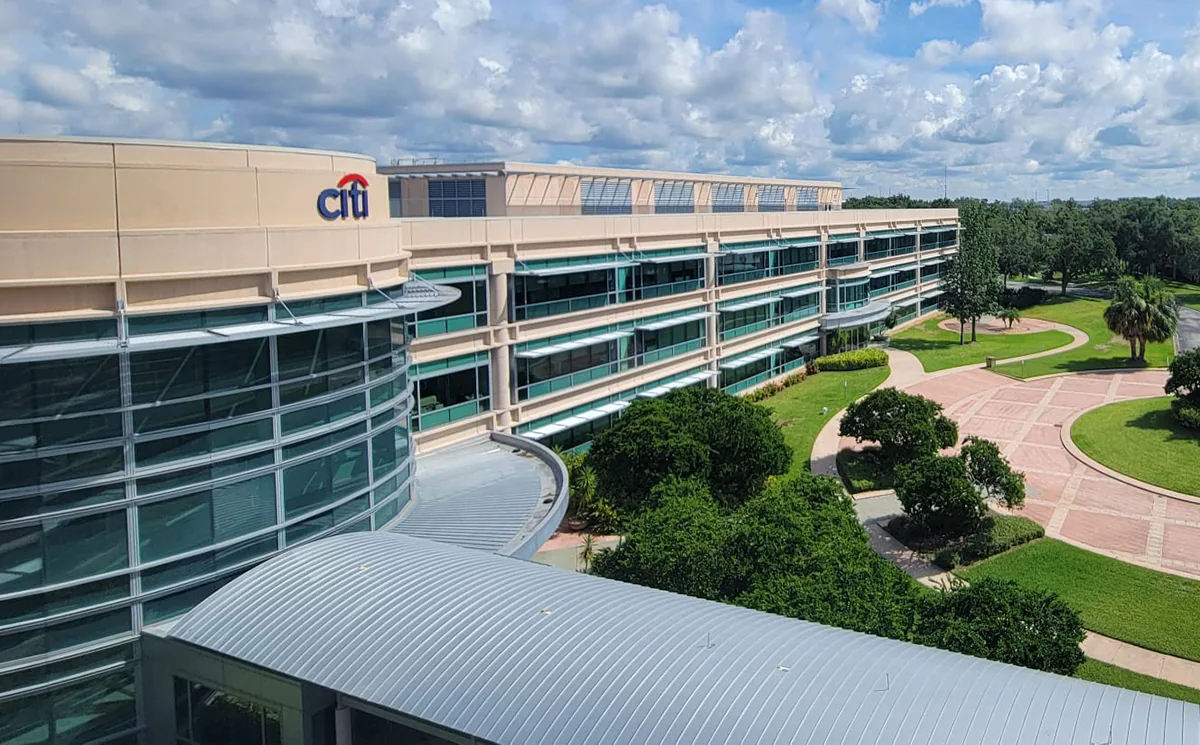
A roof call from one building can affect a larger property schedule. We begin with the reported section, trace the water path, and record which roof details need a closer look. Grand Prairie treats the Great Southwest industrial district and the I-20 retail and corporate corridor as separate areas; compare roof access by asset rather than by district label. That mix matters when a manager plans access, staging, and tenant notices. The first field record should identify the building, roof assembly, active condition, and next decision, not assume that properties in one portfolio share a system.
Property register: separate buildings before comparing them
We give each address and roof section its own record. The register notes the property contact, access window, assembly if known, drainage route, active leak status, and any open repair boundary. That lets a manager compare the condition of two buildings without treating similar symptoms as proof of similar construction. A warehouse roof near the Great Southwest Industrial District may have loading and equipment constraints that do not apply at an office or retail property.
The industrial district, the highway corridors, and the Central Business District are distinct areas. Those labels help organize a field route, but the roof inspection still confirms each building's actual use and details. We can tie the records into a roof asset management program so observations, repair history, and replacement questions stay associated with the right property. A portfolio owner can then review the same factual record without losing the site-level notes that drive work.
Condition review: rank evidence, not alarm calls
A leak report sets a location to investigate; it does not define the full roof scope. We compare the interior report with seams, penetrations, curbs, drains, edges, and any visible change in the roof surface. When several reports arrive together, we log them separately and identify whether they point to one water path or multiple roof sections. A commercial roof inspection records the observed condition and the limits of the tested area.
North Texas heat adds a useful scheduling constraint. A portfolio calendar can reserve cooler shifts for exposed roof work; July averages 95.6°F and August 95.8°F, with 20.2 annual days reaching 100°F. We use that regional context when sequencing roof access and material handling, while the forecast and system instructions govern the work day. A Central Business District property may have different entry and staging needs than an industrial building, even though both receive the same summer sun.
Work program: match the response to the roof section
Each finding gets a defined next action: protect an active opening, repair a detail, investigate concealed moisture, maintain a sound assembly, or evaluate replacement. We identify what can be handled in one visit and what needs a separate test or trade. For an active leak, a leak investigation follows the water path before a repair boundary is set. If conditions allow, a maintenance visit can clear a drainage route and document details before they become an emergency call.
Where an existing roof may remain in service, we inspect the assembly and attachment before discussing a recover. A recover evaluation is a decision about substrate, moisture, drainage, and edge transitions, not a shortcut applied to every property. We write the scope by roof section so the owner can compare a repair with broader capital work on clear terms. A manager can separate work that protects today's operations from work that belongs in a later replacement budget.
Access sequence: keep operations in the work plan
Before mobilization, we confirm who can authorize roof access, how ladders or lifts reach the work area, and which tenant paths or loading zones stay open. In a multi-property program, one access window cannot be assumed for every building. A distribution site may need staging away from a dock cycle; an occupied office may need different notice and noise controls. The plan identifies those constraints before material is unloaded.
Grand Prairie's city description connects airport, rail, and highway access with ongoing warehouse, distribution, and manufacturing construction. That context helps explain why a managed portfolio may include active loading areas, but it does not establish the use of any individual roof. We coordinate the actual building's operations contact and record changes to the approved work sequence. For a replacement phase, a manager can schedule temporary protection, tear-off, dry-in, and closeout by section so the general contractor has a clear handoff.
Closeout record: make the next review easier
At closeout, the manager receives a record that links the work area to the observed condition and completed repair. Photos, Diligence Notes, material information when available, and any remaining recommendation should identify the building and section plainly. That record gives the next property review a starting point without suggesting that one repair settles every roof question across the portfolio. The scope should distinguish completed work from items that need another visit or a capital decision.
A useful program keeps dates, access constraints, and follow-up needs visible to the people who schedule the next visit. We note whether a detail needs observation after rain, whether a drainage route needs routine attention, and which open questions require records or testing. The healthcare portfolio review may carry different occupancy controls, but the same discipline applies: connect each decision to a specific roof section and operating contact. That keeps repair, maintenance, and capital scopes comparable without flattening local differences. During a budget review, we can separate immediate water-entry work from planned membrane or edge replacement, then identify the records still needed to price the broader phase. If an estimate depends on confirming insulation condition or attachment, that open test stays visible rather than being buried in a general allowance. The manager can assign the next access window and keep the decision tied to the right roof section. When ownership records are incomplete, we mark the assembly as unconfirmed and list the field observation that would resolve it. That keeps a roof age estimate, warranty file, or prior repair note from being treated as a current condition report. A clean record makes the next inspection more direct and gives the capital discussion a usable starting point.
Commercial Roofing Questions
How should a manager compare roof conditions across different properties?
Start with one record per building and section. We list the assembly, observed issue, access limit, water path, and tested boundary, then compare like details. Similar stains or roof ages do not prove the same repair fits each property.
Can one inspection cover a whole portfolio?
A single visit can cover several sites when access is approved and time allows, but each roof needs its own observations. We keep photos and recommendations tied to the address and section so one finding does not get assigned to another building.
What should be scheduled first when several buildings report leaks?
Active water entry and operational impact set the first route. We confirm the location, protect exposed interiors when appropriate, and test the likely roof transition. Other sites remain logged for their own review instead of being folded into an assumed common cause.
When does maintenance belong in the property plan?
A maintenance visit fits when the roof is serviceable and the next need is to check drains, edges, penetrations, and prior repairs. We record what was cleared or corrected and flag conditions that need a separate repair or replacement decision.
What belongs in the closeout record for a managed building?
The record should identify the building, roof section, work performed, photos, access limits, and any follow-up item. We include the repair boundary and remaining question so the manager can schedule the next step without treating an untested area as complete.
Set the first property review
Share the property list, the roof area with an active leak, available assembly records, and the access window. We can inspect the affected section and document which repair or capital decision comes next.
Call 555-555-5555 or request a roof assessment.