
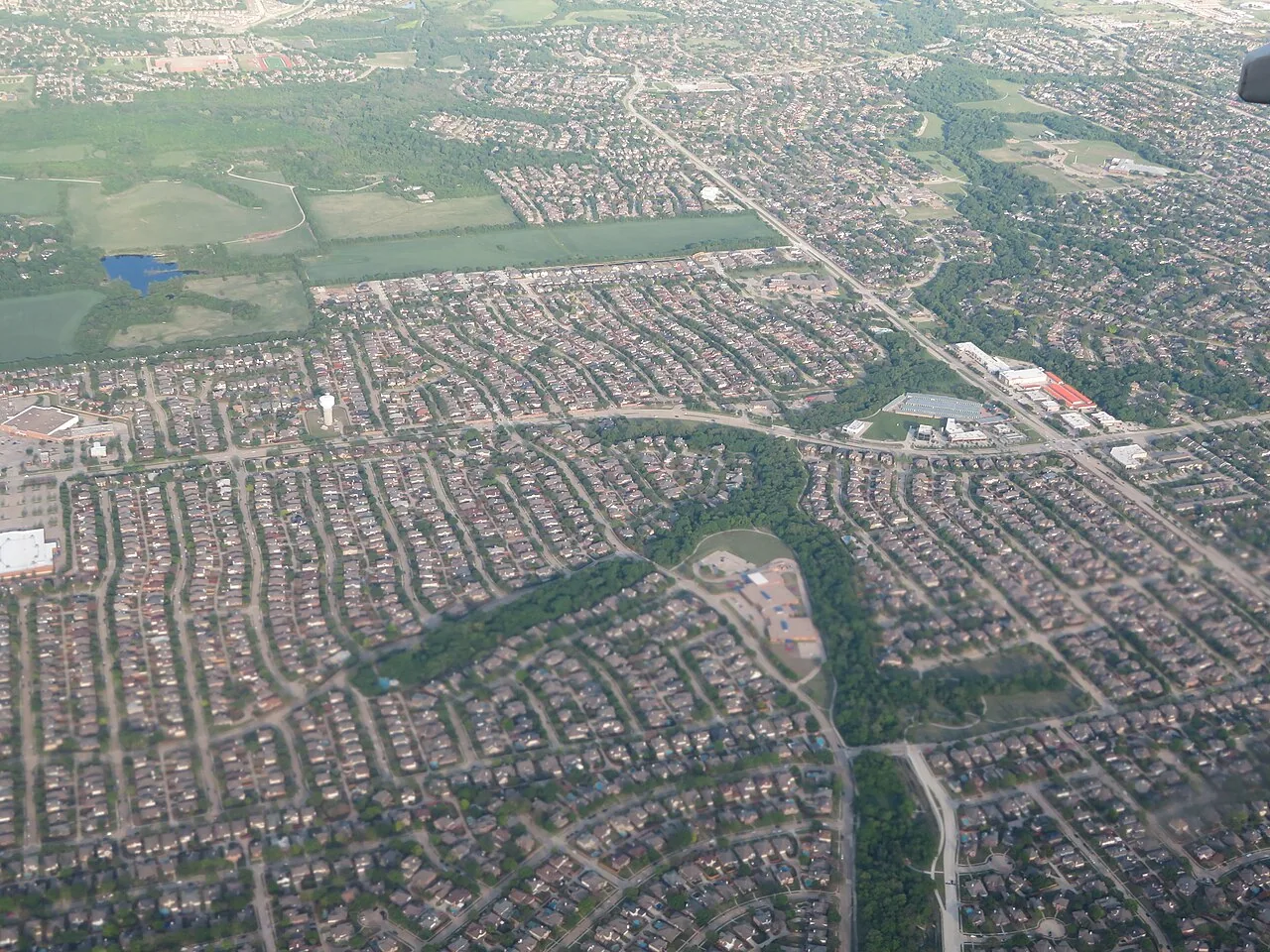
Interstate 30 crosses Grand Prairie from east to west, and the City describes it as a strong business and entertainment corridor. That combination points to mixed commercial buildings: hospitality, retail and employment space sitting close together, each with its own roof and its own hours. A roof repair here begins with the building's operating pattern as much as the membrane. Where guests, shoppers or staff arrive, the work zone and the entrance route have to be separated before a crew opens anything. The roof section is walked, the water path traced, the likely entry point tested and a repair boundary defined. The written findings go to the owner first, then the schedule.
First observation: matching the roof to the building's use
A hotel roof covers guest rooms, corridors and mechanical space. A restaurant roof covers a kitchen with exhaust fans and grease exposure. A retail roof covers a sales floor and stockroom. An office roof covers ceilings, wiring and workstations. The same leak is a different problem under each, so we begin with the interior stain and work upward to the roof detail that explains it.
Every corridor building also has details in common: parapets, drains, curbs, penetrations and edge metal. We inspect them one by one, probing seams and checking sealant lines. If a stain has no obvious opening above it, a moisture scan shows how far water has traveled through the insulation. The map from that scan keeps us from patching the stain while the source remains open.
The roof record names who has access and when. Hotel engineers, restaurant managers and tenant facility staff all hold keys to hatches and ladders, so we confirm who opens what before the crew arrives.
Overlay and permit: confirm before mobilizing
The city lists an IH-30 Corridor Overlay District among its special districts, and the I-30 Corridor is a recognized district. Each property carries its own zoning and site requirements, so we ask the city, through the owner or contractor, whether a re-roof or equipment change falls under overlay standards.
On permits, the City points to the 2021 IBC family for commercial construction and expects each project to confirm edition, amendments and scope. We raise those points at the first meeting, so approvals and inspections are on the schedule before material is ordered. That avoids a dry-in plan that waits on a permit.
Hospitality roofs: rooms below, kitchens beside
Accommodation and food service are a real sector in Grand Prairie, so hotel roofs and restaurant roofs belong in any corridor roof plan. A hotel needs quiet hours protected and guest entrances kept clear. A restaurant needs exhaust fans, grease containment and service-door access preserved.
Both put heavy equipment on the roof. Kitchen exhaust, rooftop units and make-up air fans create penetrations and foot traffic, and each one is a place where flashing can fail. We inspect every curb and boot, check that grease is contained instead of spreading across the membrane, and recommend walk pads where service staff cross the roof. Roof work is scheduled for the hours the owner chooses, with debris and noisy steps kept away from guest or dining areas.
Membrane and metal: the repair follows the system
Corridor roofs may be single-ply, modified bitumen or metal, and each wants its own repair. Thermoplastic sheets such as TPO and PVC take welded patches. Rubber sheets take tape or adhesive. Modified bitumen takes lap repairs and compatible flashing. A metal roof gets fastener, seam and sealant work, and a roof with standing seam metal needs attention to clip movement and panel ends.
A sample and a look at the seams identify the system, and then the likely failure point is tested. Underneath, wet insulation or a damaged deck changes the scope. Test openings are limited to spots where readings call for them, and each gets a photograph for the owner before more work is approved.
Water path: drains, scuppers, and rooftop equipment
Water leaves a roof by a route, and rooftop equipment can interrupt it. A condensate line that discharges onto the membrane, a curb that dams a shallow slope and a scupper clogged with leaves all hold water where it should not stay. The route from high point to outlet is followed, with each slowdown or stoppage noted.
DFW's heaviest rain comes in the spring and fall transitions, so outlets and moisture readings get attention then. Ponding that persists past a day after rain is measured. A property manager who keeps outlets clear and condensate lines routed to drains prevents many of the wet-insulation problems that later need tear-off.
Storm season: what to check and what to leave alone
Spring is the Metroplex's peak severe-weather season: hail, damaging wind, flooding and tornadoes occur somewhere nearly every year, but a single site rarely meets all of them. A storm calls for an inspection, and the inspection decides whether damage exists. Roughly twenty days a year top 100°F in DFW, and that shapes adhesive choices and crew hours.
After a storm, our storm damage roof repair visit checks coping, edge metal, flashings and the membrane surface for confirmed impact, and the report leaves unaffected sections out. That gives an insurer a clean description of what was found.
Where a building serves visitors in the evening or on weekends, we plan the work hours around that pattern and keep the lot and walkways clear when guests arrive.
Options: repair, recover, or replace the section
The roof's own findings pick the route. A leak confined to dry insulation is repaired. A section that is sound and dry may accept a recover. Wet insulation or a membrane past its service needs tear-off. Price follows how deep the tear-off goes, how thick the insulation is, how many penetrations there are and when the building permits work.
The Central Business District and the I-20 corridor are separate districts of the city, each with its own access pattern, so we plan every roof from its own findings.
The closeout record lists the sections repaired, the products used, the moisture readings and the photos, giving the next manager a plain starting point.
Commercial Roofing Questions
How do you schedule roof work above an open hotel?
Quiet hours and entrance routes come first. We agree with the manager on which wings and floors sit below the work, schedule noisy steps for the hours allowed and close every opened area before leaving. A short notice goes to the front desk each day.
What damages a restaurant roof besides weather?
Grease from exhaust fans and heavy foot traffic from service staff. Both wear the membrane around kitchen equipment. We inspect those zones during every visit and recommend containment, cleaning and walk pads where they are needed.
Does the I-30 overlay change how a roof is replaced?
It may, depending on the property. The city lists the overlay among its special districts, and site requirements should be checked. The overlay question is raised at the kickoff meeting, and conditions found are written into the scope.
After a hailstorm, what proves roof damage to an insurer?
Dated photos of confirmed impacts, with location marks and a roof map, carry the most weight. We separate storm damage from wear and leave unaffected sections out. The adjuster gets a specific description instead of a general claim.
Which details should be ready before a corridor roof estimate?
A useful starting package is the roof area, leak locations, roof system if known and the hours guests, shoppers or staff are in the building. Recent photos of interior stains are useful. With those items we can plan the first inspection.
Send the corridor roof section for review
Share the roof area, active leak status, known assembly, and the hours when visitors or tenants are present. We will inspect the section and document the next scope decision.
Call 555-555-5555 or request a roof assessment.