
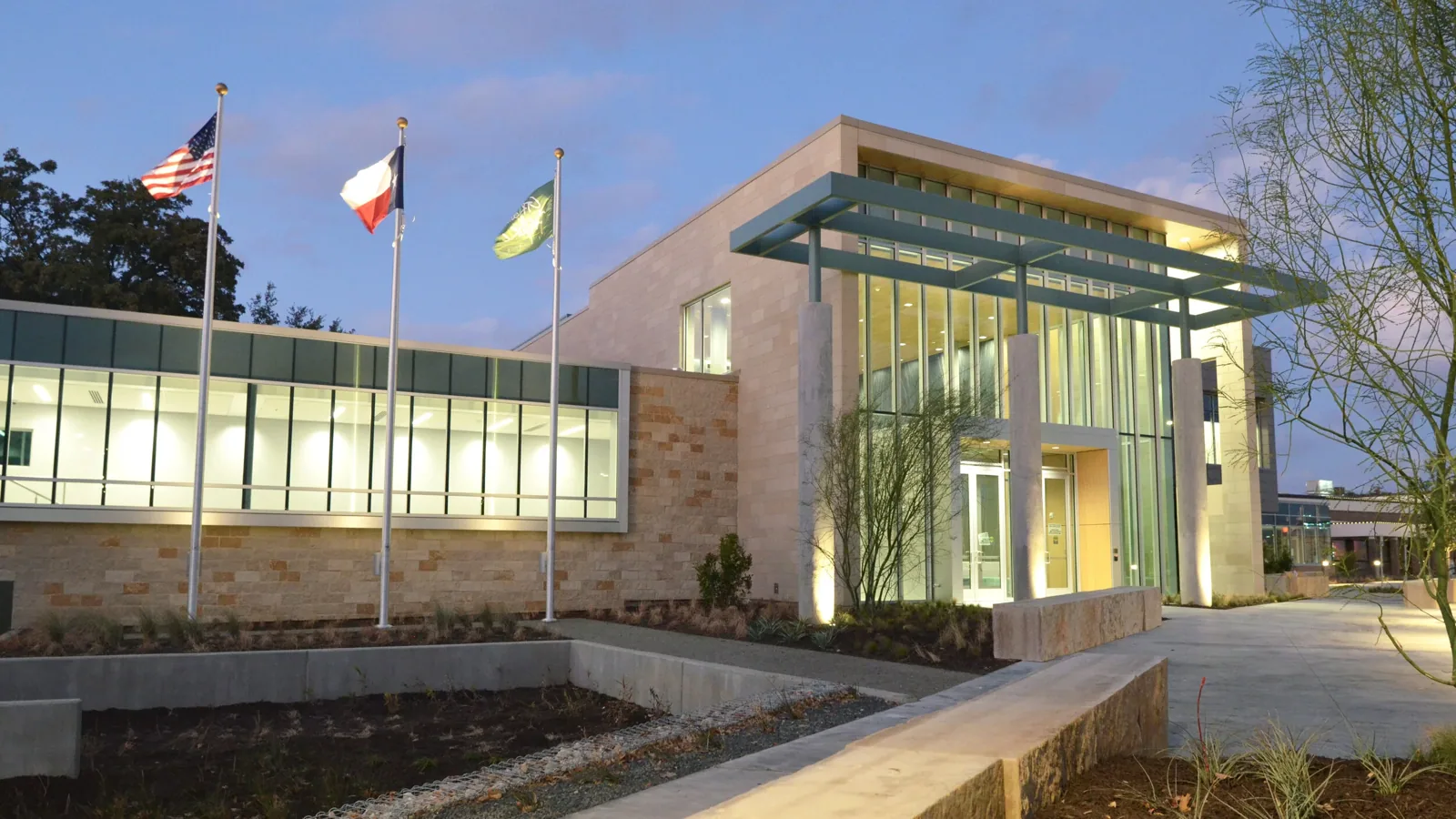
A manufacturer’s product is only one part of the roof assembly. We first identify the deck, insulation, existing membrane, attachment, drainage, and detail conditions. Grand Prairie’s summer heat affects staging and material handling, while the permit scope may affect which design documents the project team needs. Product selection follows those conditions, not brand preference.
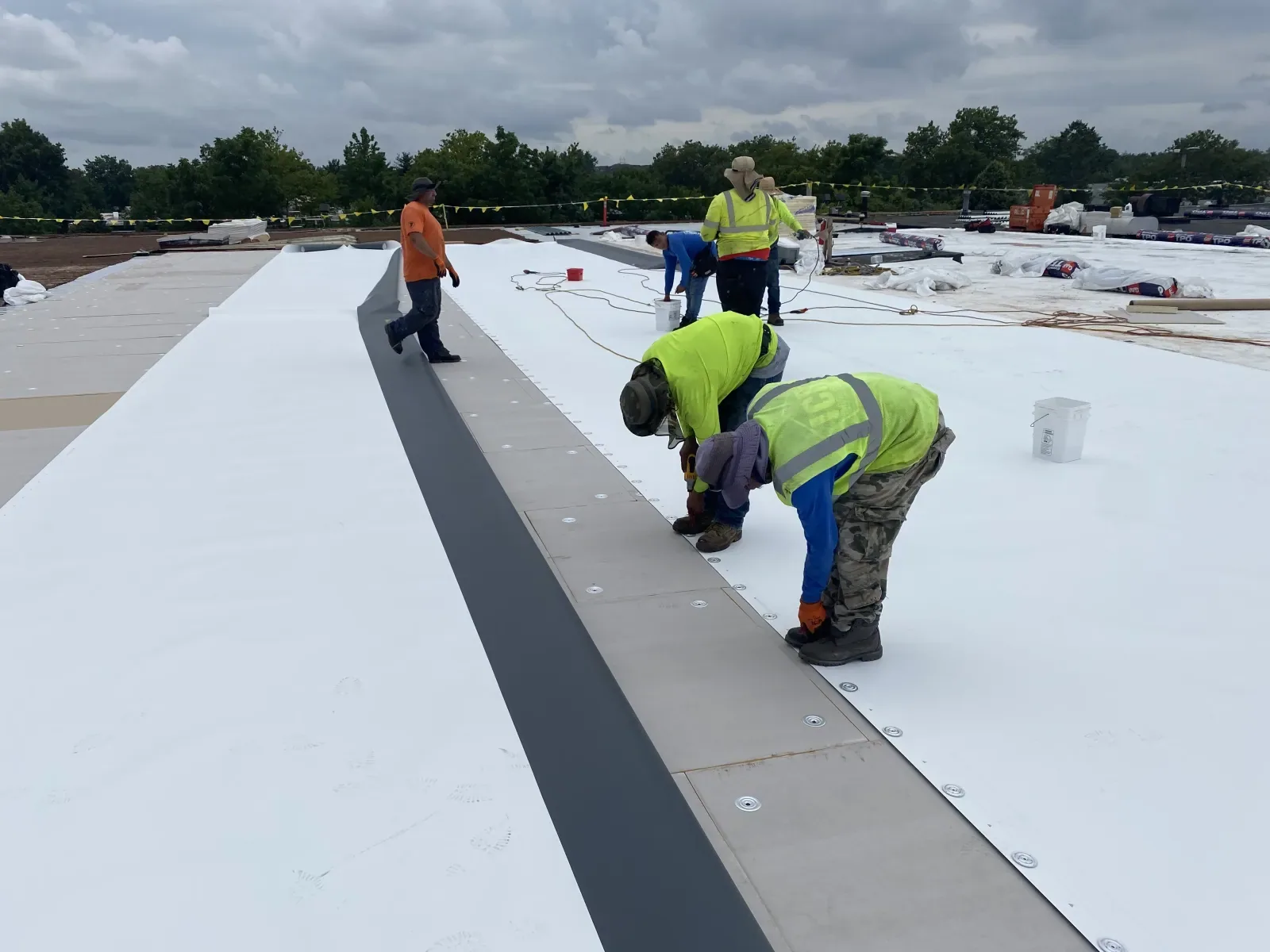
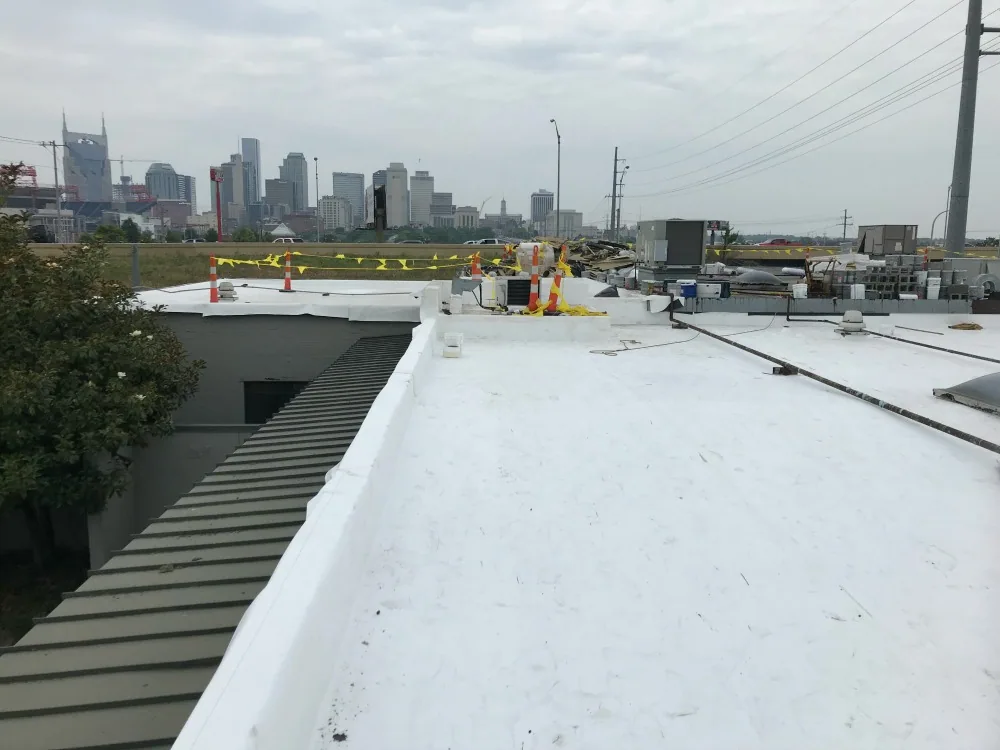
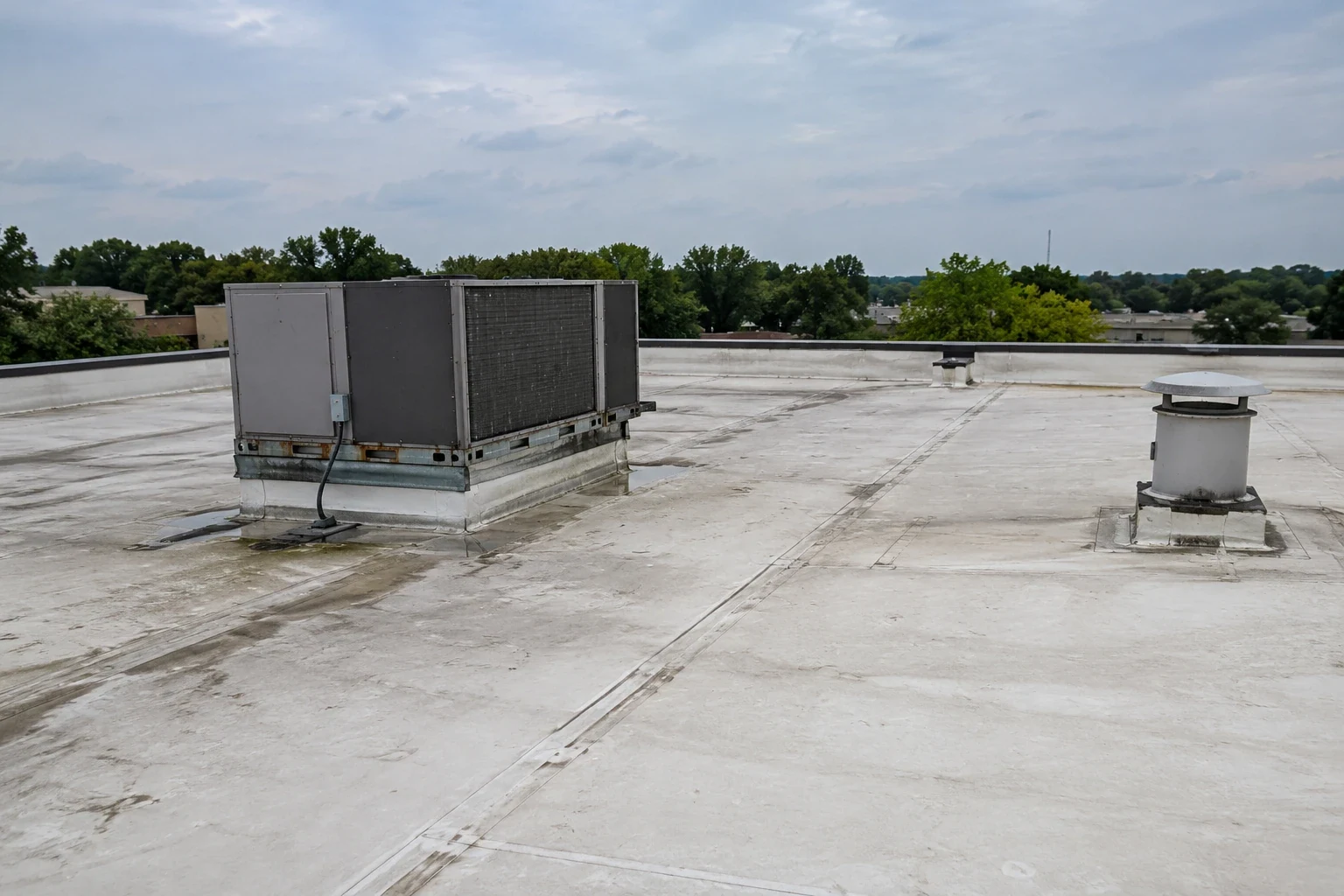
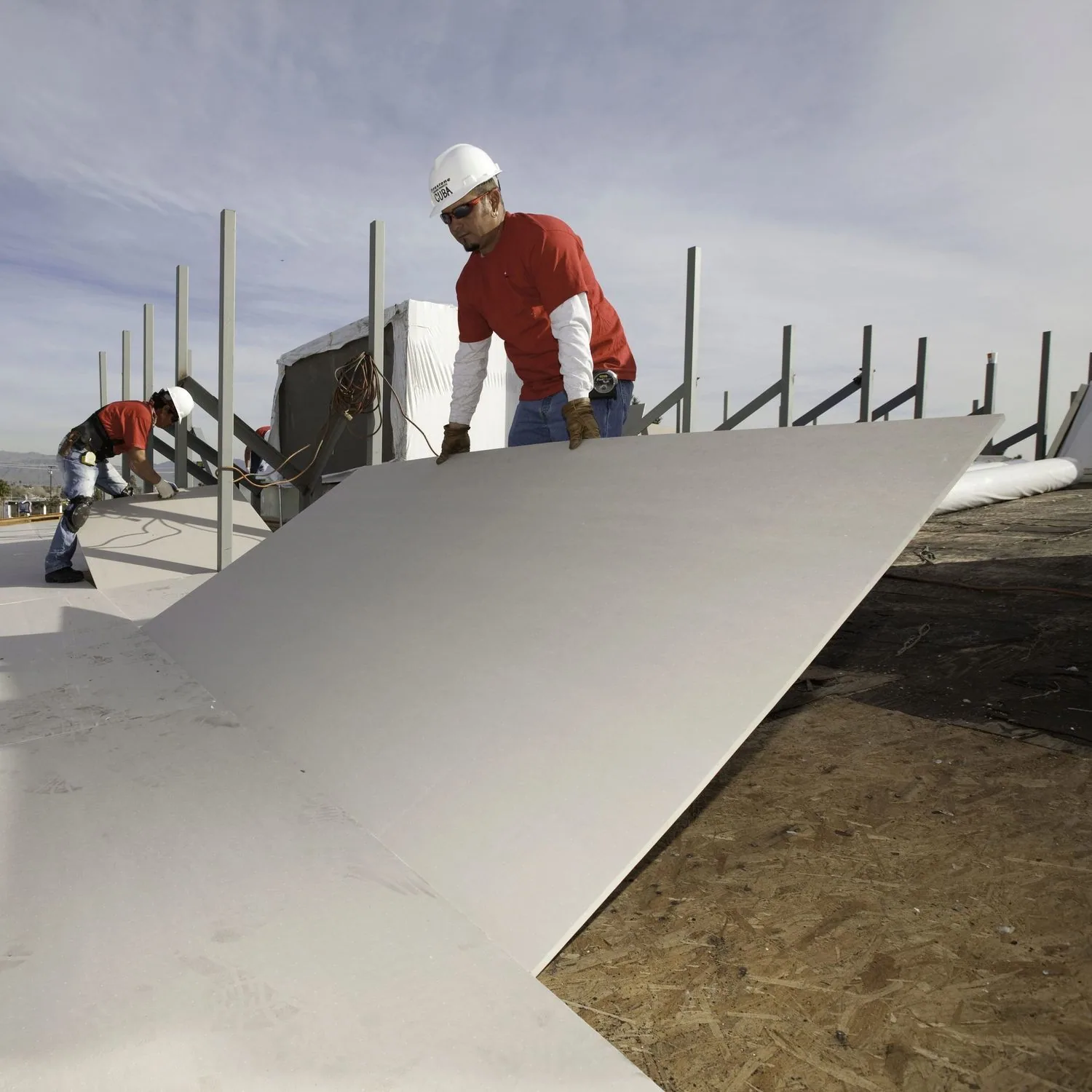
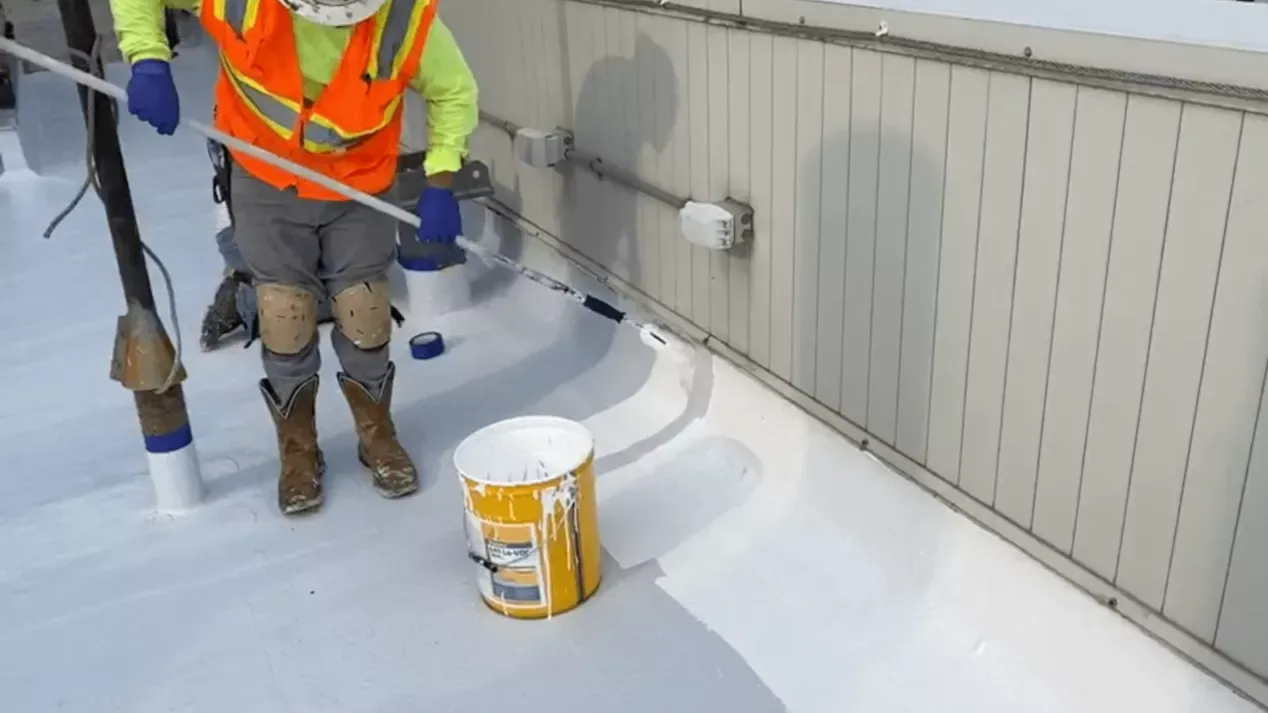
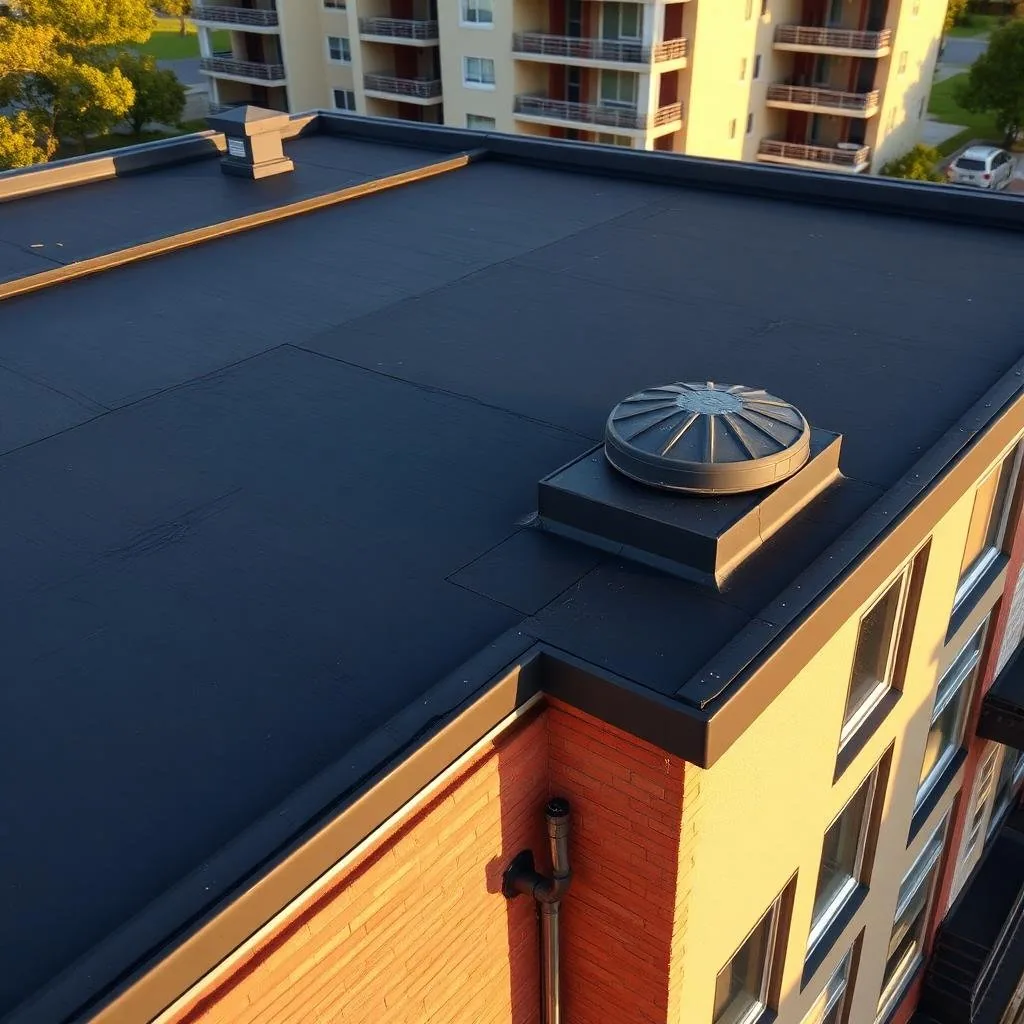
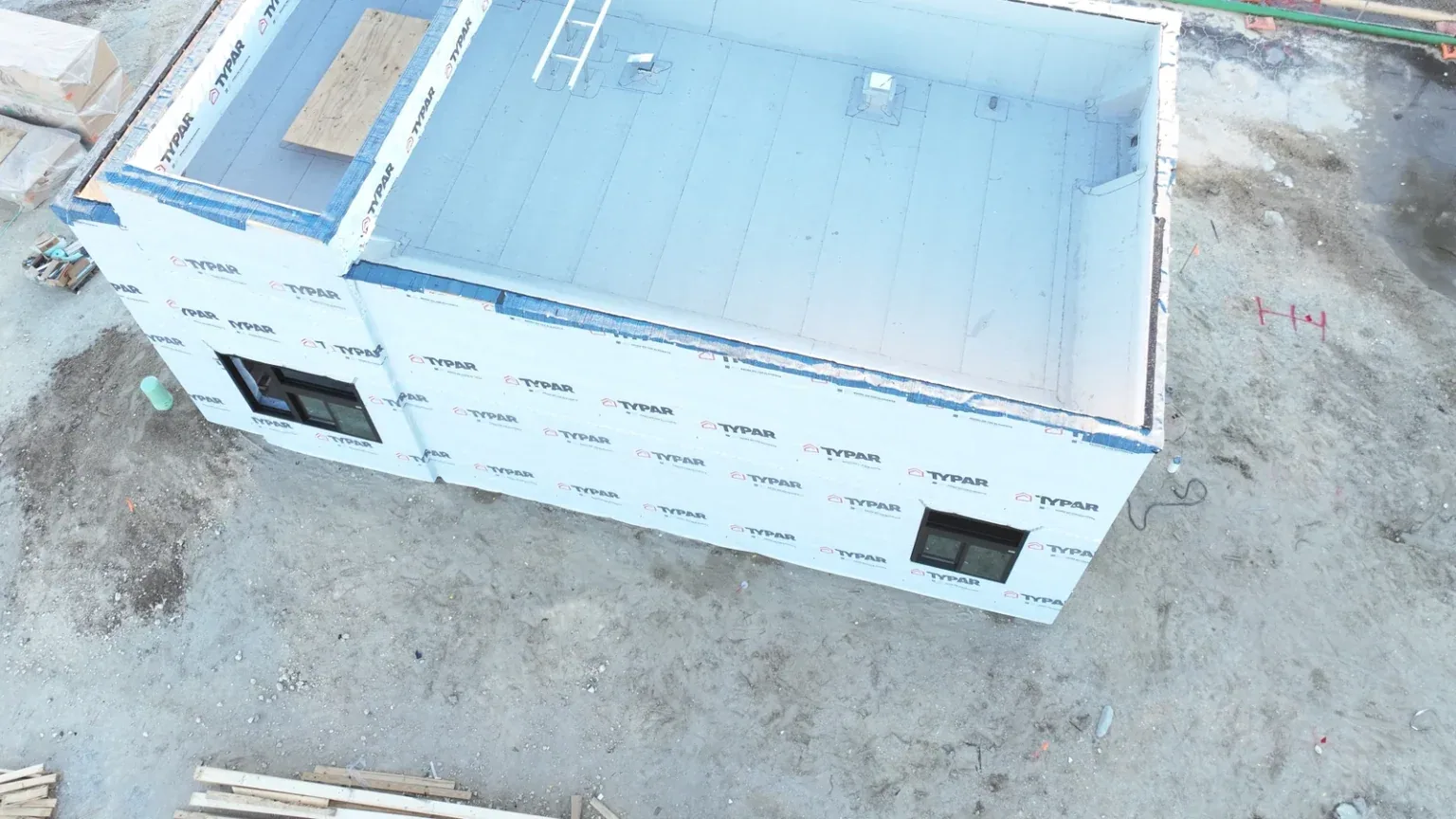
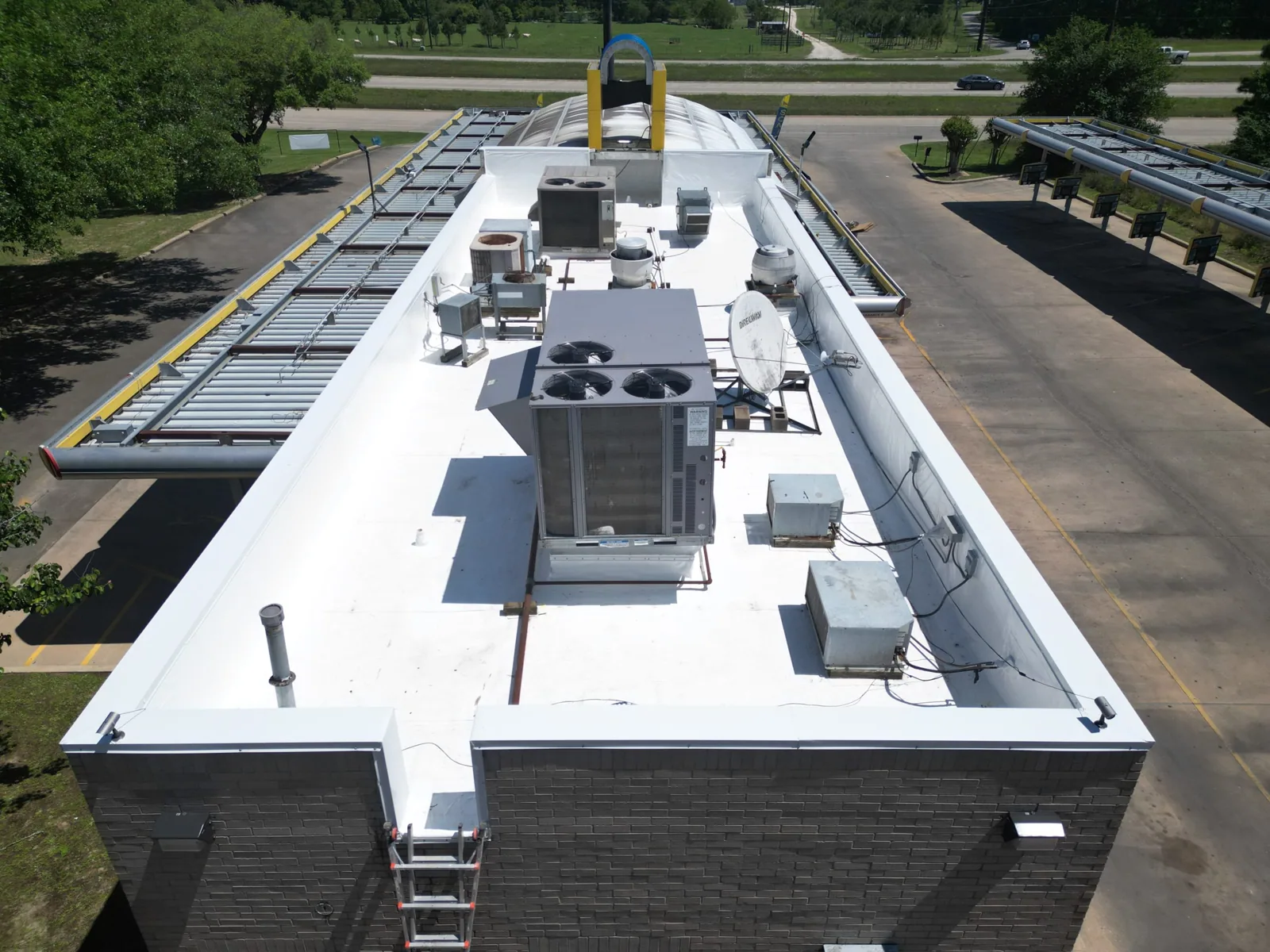
Compatibility starts below surface:
Manufacturer details rely on approved substrates, compatible components, and correct attachment. For a TPO assembly or PVC system, we review seams, flashings, curbs, and terminations against the specified system. Existing layers and moisture can limit recover options. A roof inspection documents what is accessible and identifies where testing or design review remains open.
Match warranty conditions:
Warranty terms may require specific materials, approved details, installation procedures, inspections, and maintenance. We keep the current submittals and project requirements together, then verify which party is responsible for each approval. The warranty record should reflect the installed assembly and accepted changes, not a general product description.
Review documentation before mobilization:
DFW July and August average highs approach 96°F, and 100°F days occur regularly. Work planning should consider heat exposure, staging, and the product handling instructions. Commercial permit submittals include roof-framing plans. Buildings above 5,000 square feet need signed, sealed plans; structural drawings for metal construction also carry an engineer seal at any size. The project team confirms the governing edition, amendments, and permit scope before materials arrive.
At preconstruction, compare the approved submittal with delivered rolls, plates, fasteners, flashing, and accessories. If a proposed substitution changes a component, stop at that item and record who must review it. A replacement scope can define the work boundary and closeout documents before installation.
At each transition, compare the specified detail with the measured condition: wall height, curb dimensions, deck profile, penetration, and edge termination. A standard detail may not fit an addition or retrofit. Record the variance and request written direction before covering it, then include the approved change and photographs in closeout. This keeps product substitutions and field conditions connected to the installed assembly.
Keep substitutions traceable:
Photograph concealed details before they are covered, record field changes, and retain final product data and maintenance instructions. For a manufacturing property, note equipment and access limits that shaped installation. We coordinate in Great Southwest and Grand Prairie, with each system review tied to the building and approved scope.
Commercial Roofing Questions
Can I compare brands before the roof is inspected?
Before comparing brands, verify the substrate, attachment, drainage, and detail conditions. Those factors narrow the systems the project can support.
Who approves a proposed product substitution?
The design professional and the manufacturer set the approval path under the project documents. We record the requested change, hold at that component, and wait for written direction before installing it.
Does a manufacturer warranty cover every repair?
Not automatically. Warranty language names the covered assembly, approved repair methods, notice steps, and maintenance duties. We check those terms against the installed roof and keep the documents together so the responsible party can answer coverage questions.
What should be captured before membrane coverage?
Before coverage, photograph the substrate condition, fastening, seams, penetrations, curbs, edge details, and any approved field change. That preserves details that will later be concealed.