
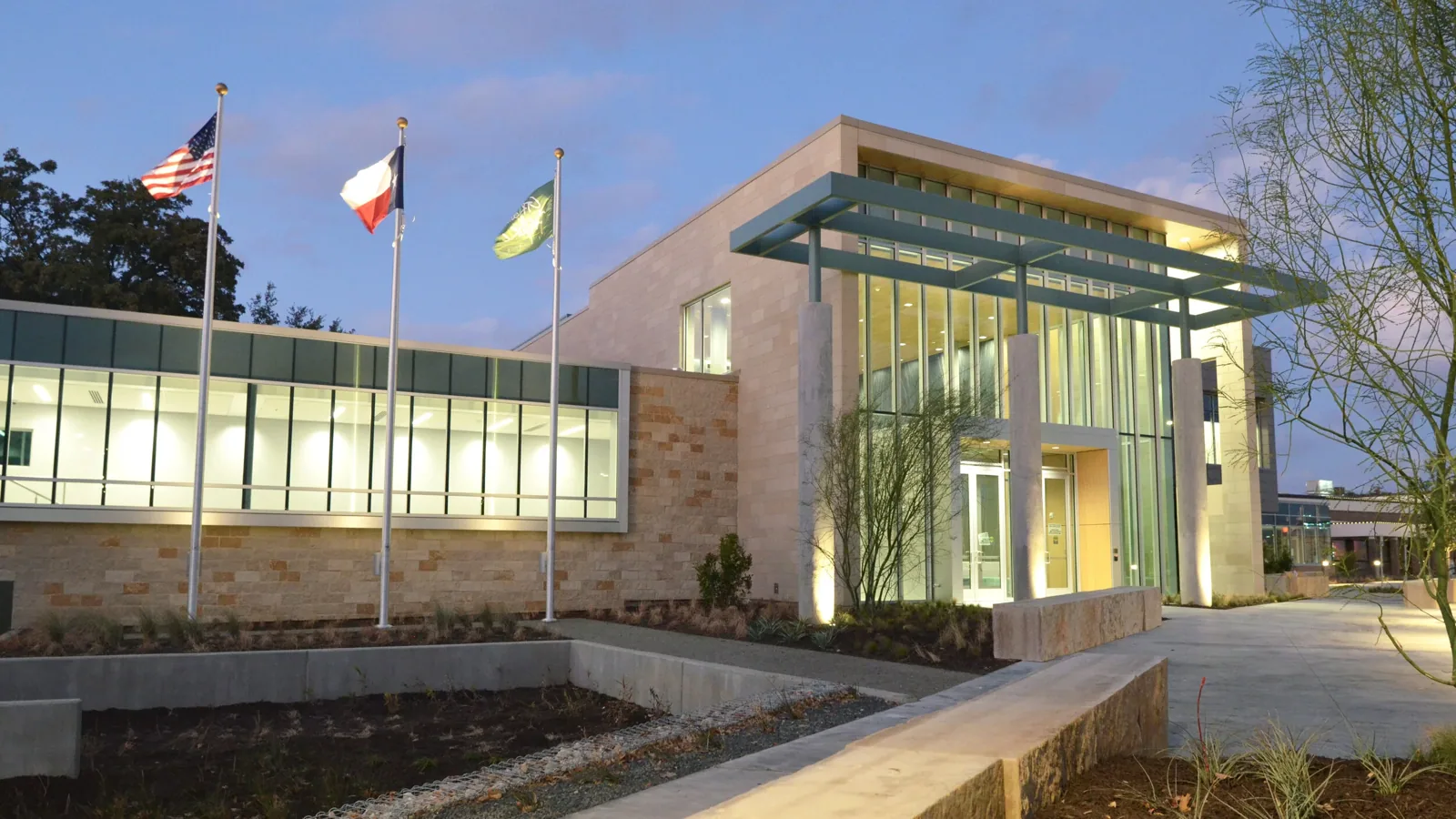
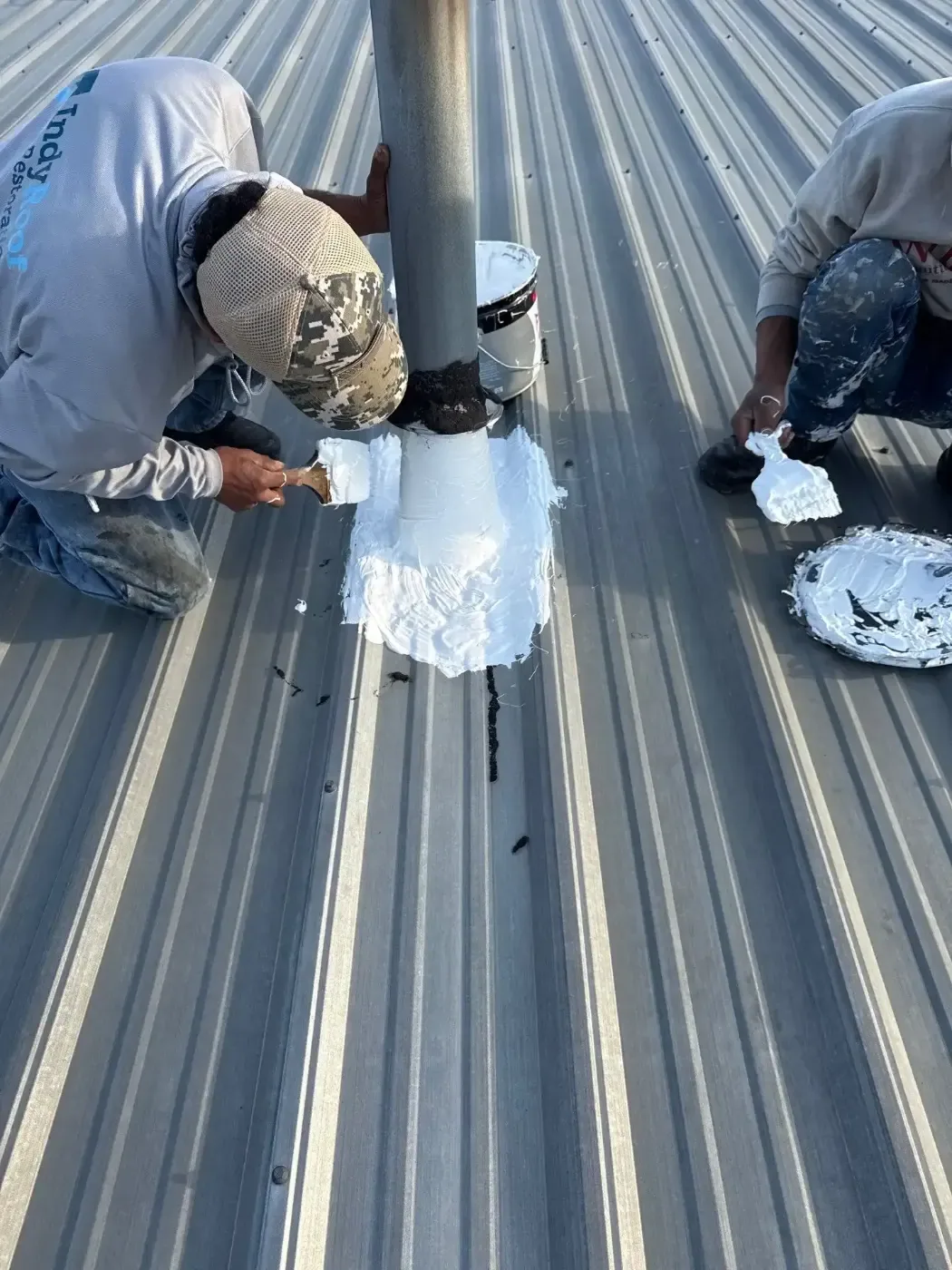
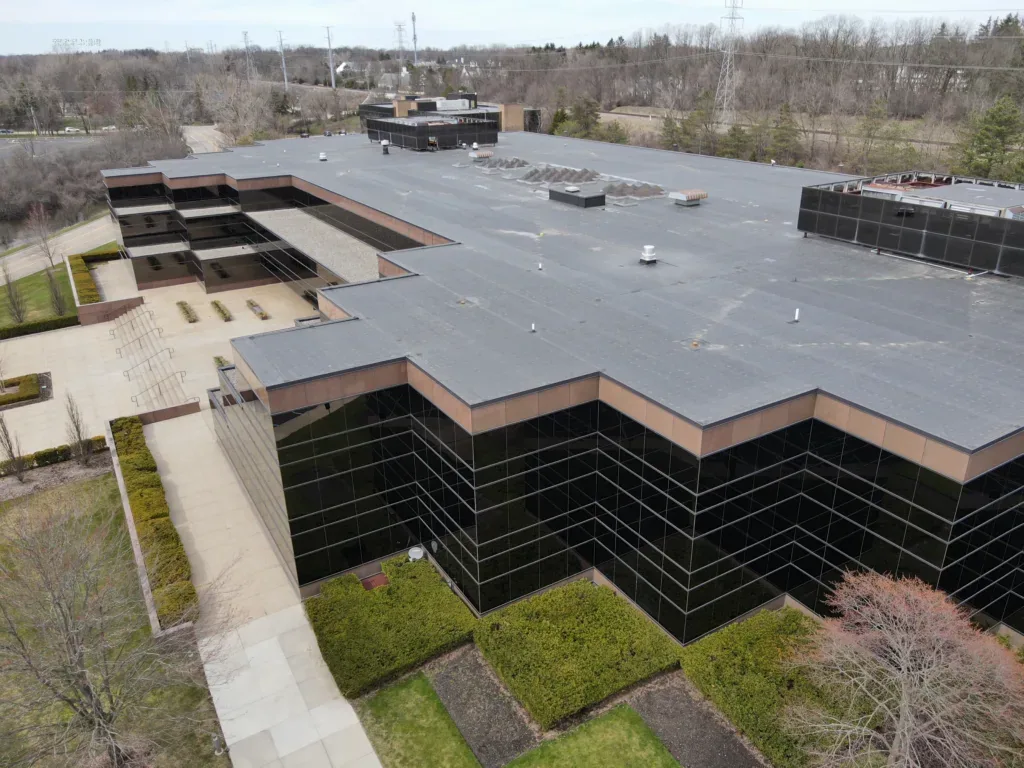
A useful roofing capability gives the property team a decision it can act on. We inspect accessible roof sections, record the assembly and limits, then connect findings to a repair, test, maintenance visit, or capital scope. In Grand Prairie, commercial permit requirements and varied industrial, office, and downtown settings make clear handoffs part of the work.
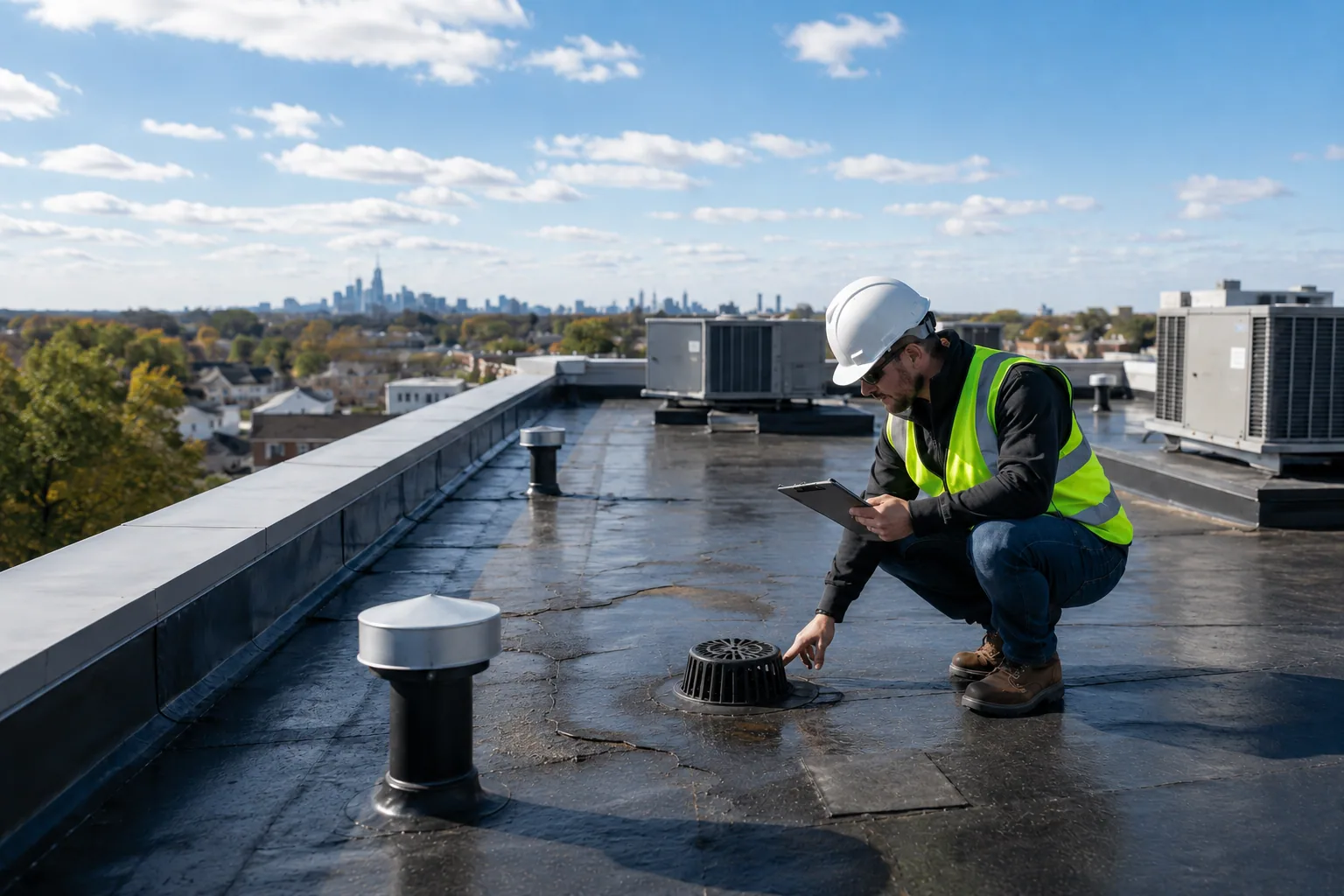
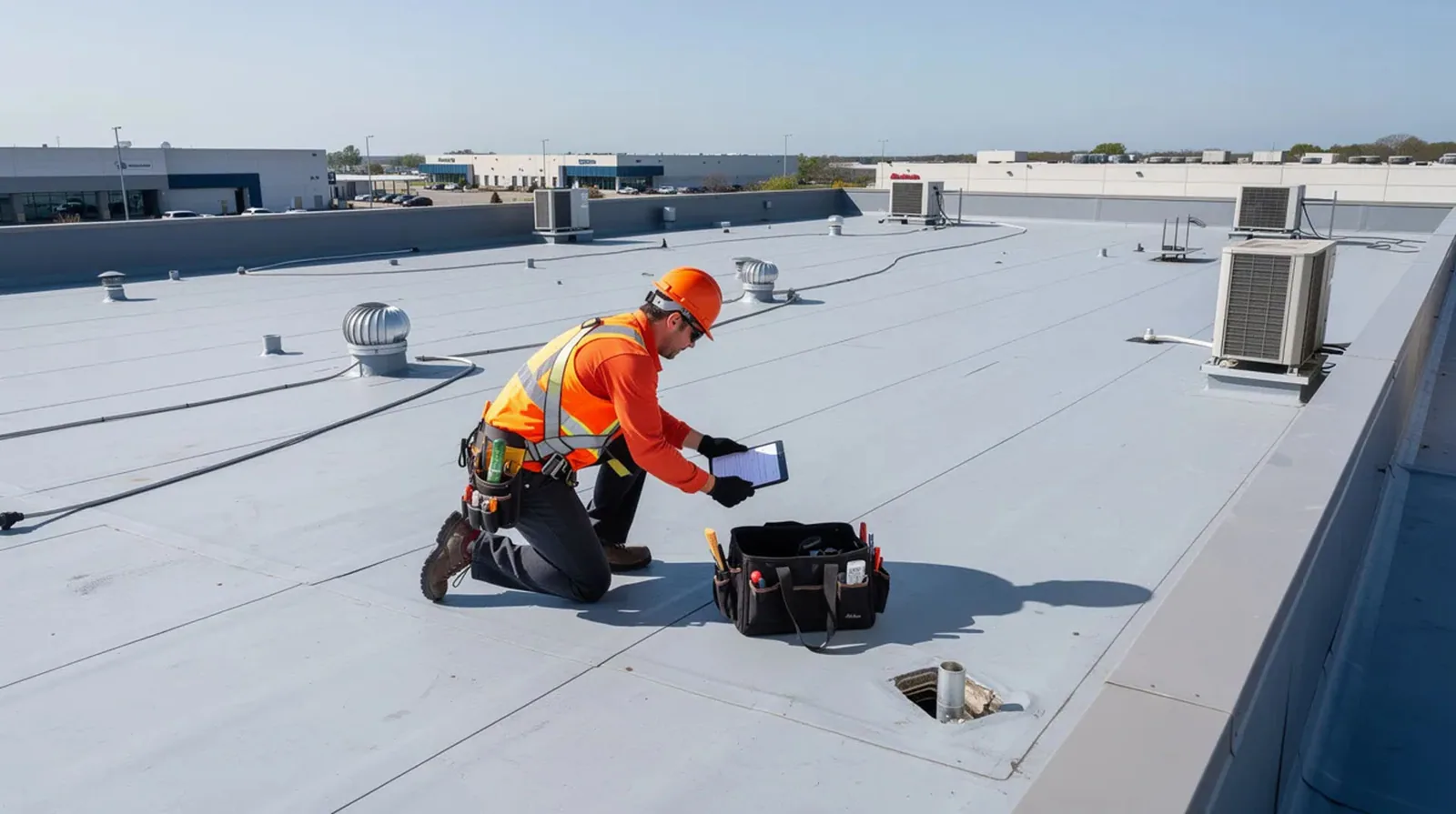
Start with usable records:
A roof condition report ties photographs to roof zones, describes visible conditions, and lists access limits. A roof asset record can keep that information with system details, repair history, and open recommendations. The record should distinguish what the field team saw from what an owner supplied or what still requires testing.
Design details need support:
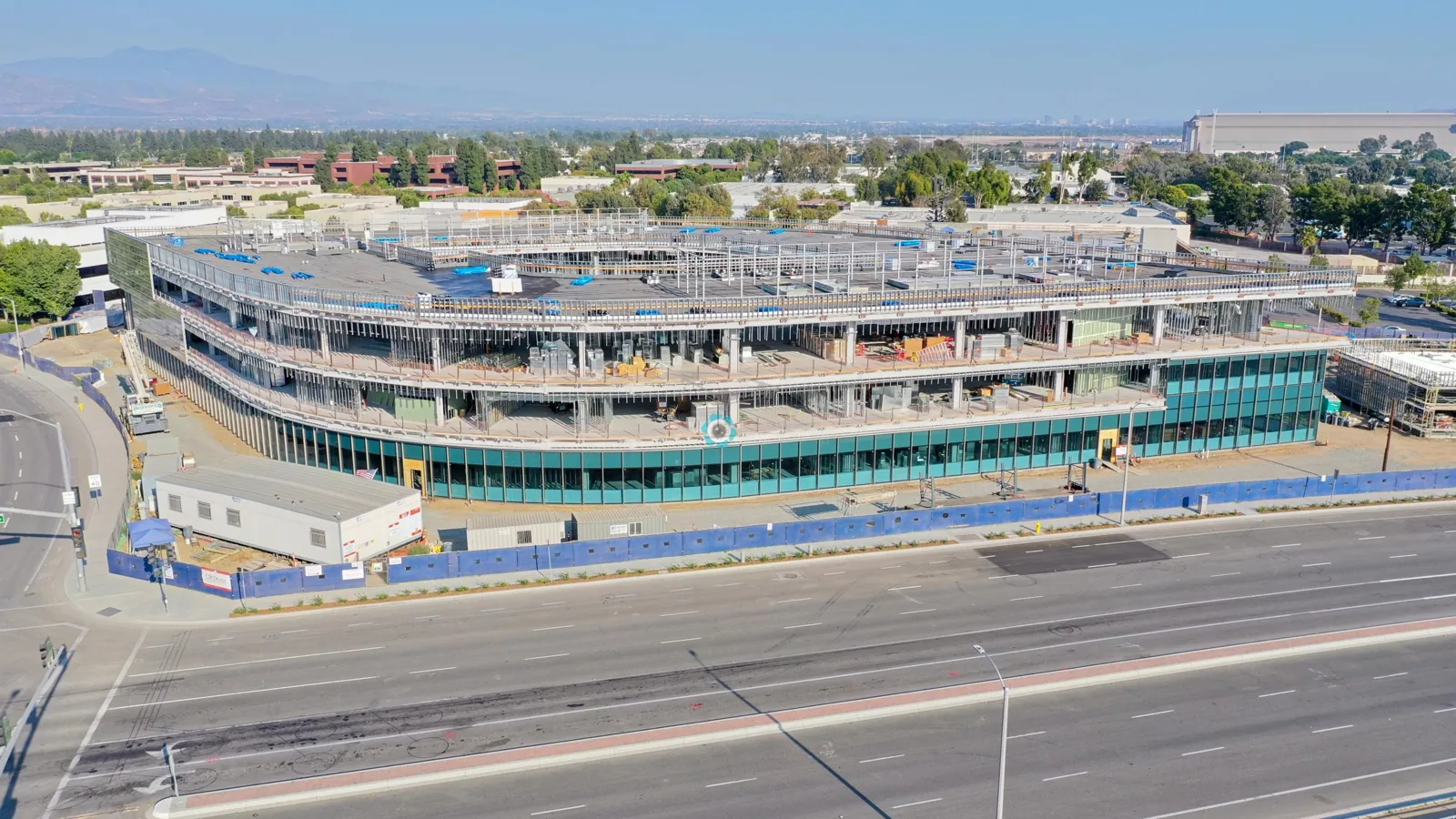
Grand Prairie commercial permits require roof-framing plans, with engineer seals and signatures on larger projects and structural plans for metal buildings. We identify the documentation available and which question belongs with the design professional. A field inspection can document the existing roof condition, while a permit or structural review remains part of the project design process.
Grand Prairie has several overlay districts, including Beltline, Lake Ridge, and SH-360. A project team should check the parcel’s applicable zoning and overlay before setting the sequence or final scope.
Where roof framing plans or sealed structural documents are required, keep them with the approved scope and written field direction. If a metal building plan lacks a required engineer seal, treat that as a design coordination item rather than a field repair assumption. The report notes the difference between an observed roof condition and a document review, so the owner knows who must resolve each open item.
Translate findings to phases:
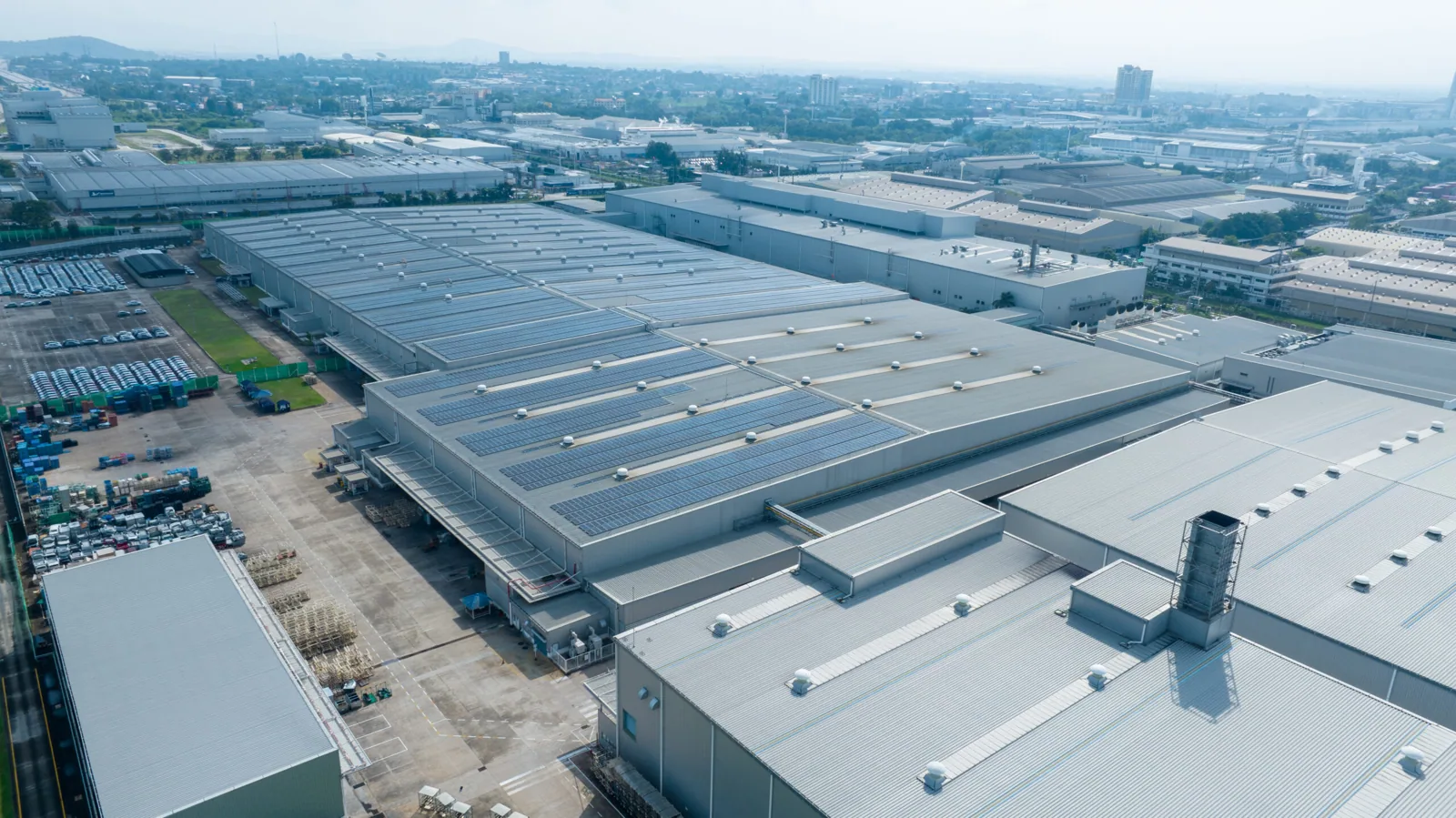
A capital plan can rank repairs and replacement needs by observed condition, urgency, access, and budget timing. If the property has multiple buildings, a multi-site program provides shared fields with separate roof histories. That keeps a district-wide schedule from turning into a blanket condition statement.
Make handoffs explicit:
Closeout should name the approved scope, completed work, photographs, exclusions, outstanding questions, and responsible contact. A warranty review can organize current documents and maintenance responsibilities without assuming coverage. For a warehouse roof or a property near the Central Business District, the handoff includes the operating and access details needed for follow-up.
Commercial Roofing Questions
What makes a condition report actionable?
A clear roof boundary, photographs, assembly description, observed issue, access limit, and next action. Those details let the owner assign follow-up without guessing.
Can a roof report replace engineering plans?
No. It records field observations and questions for the design team. Required structural documents and seals remain subject to the project and permit scope.
How does capital planning use inspection findings?
It compares condition, urgency, and operating impact across roofs. The plan should preserve each building’s evidence and identify assumptions that affect timing.
What belongs in a warranty file?
Keep the current documents, approved details, repair history, maintenance requirements, and closeout notes together. Coverage questions should be checked against the actual terms.