
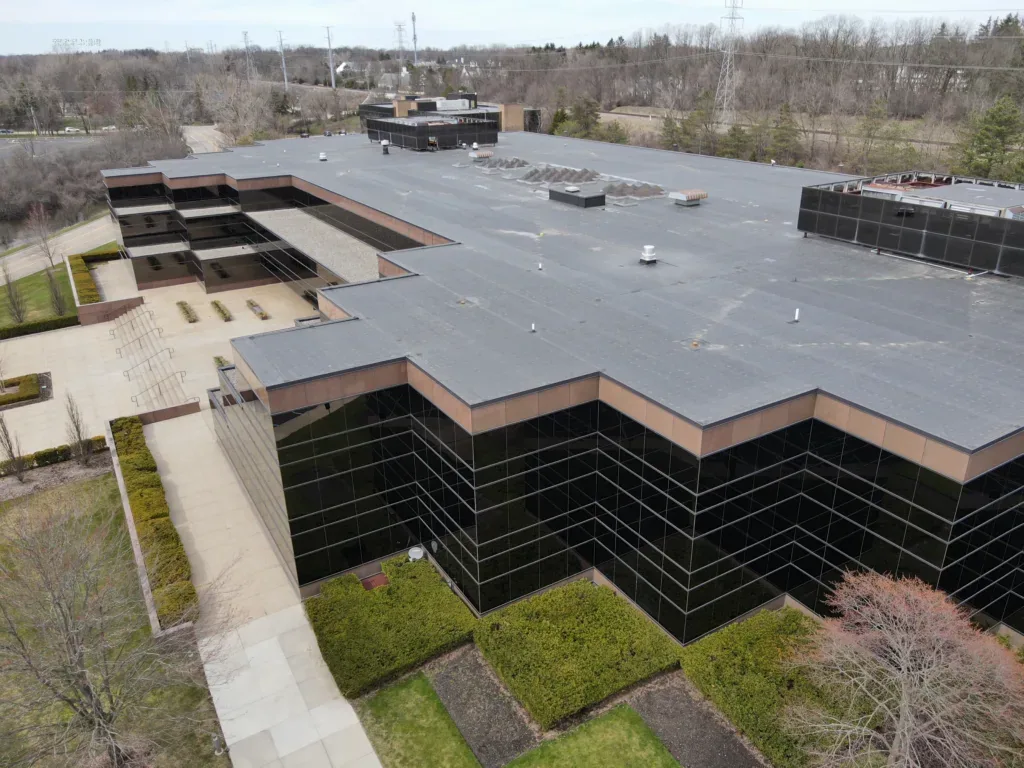
A transaction survey should explain which roof areas were reviewed and which questions could change the buyer’s decision. We identify the assembly, inspect accessible details, and connect visible conditions to repair or renewal scenarios. In Grand Prairie, industrial and distribution properties often bring loading and equipment coordination into the inspection plan, while commercial records may include separate permit or design documents.
Set the survey boundary:
We begin with the transaction schedule, roof plans, maintenance records, known leaks, and requested decision date. The scope lists buildings and roof sections, access method, areas excluded, and any destructive testing that needs separate authorization. A condition report records what the field inspection can support. The survey should not blur an inaccessible area into a clean bill of condition.
For a property near the Great Southwest Industrial District or the I-20 corridor, we ask about active loading, rooftop equipment, and areas that cannot be released during the site visit. Parts of the SH-161 corridor contain warehouse-distribution and industrial uses alongside other land uses. Confirm the actual building list and access route instead of inferring a roof assembly from its address. The SH-161 corridor is a broad planning area, not a substitute for identifying the property and roof zones under review.
Clarify whether the buyer needs a visual screen, an opinion on repair scope, a budget planning document, or a deeper investigation of suspected moisture. Those purposes require different access and testing. We state the roof area included, the records reviewed, and whether interior spaces were available. If the transaction schedule allows only a short visit, the report identifies what could not be completed in that window rather than treating it as a full survey.
Inspect the details that move the decision:
We look at membrane or panel, attachment where visible, seams, flashings, curbs, drains, scuppers, edges, and prior patches. Interior signs can guide the route, but the roof detail needs its own observation. If moisture below the surface is a material concern, we explain whether infrared review or a test cut is appropriate and what it can establish. A moisture survey may help prioritize further investigation when weather and assembly conditions support it.
A transaction visit can cross roof planes under direct sun, so we agree on the access window, rest interval, and inspection order with the owner. North Texas summer heat affects surface handling and time on the roof. We record whether conditions limited access or instrument use, then keep that limitation beside the affected zone. It is a field constraint, not a membrane diagnosis.
Translate findings into exposure:
The buyer needs to see immediate repair needs, likely near-term work, and conditions that require more evidence. We describe the visible defect, likely repair boundary, access constraints, and what could expand the scope. Cost drivers include removal quantity, insulation or deck work, tie-in geometry, edge details, equipment relocation, staging, and temporary weather protection. A capital plan can set timing assumptions after the survey identifies the work categories.
A coating or recover option needs a separate suitability check. Existing layers, moisture, attachment, drainage, added height at curbs, and perimeter details can change whether an overlay is appropriate. We state what information remains missing and how to obtain it. If the seller provides warranty or repair records, we compare them with the observed locations without treating the documents as proof of current condition.
A buyer may need separate scenarios for localized repair, selective replacement, or broader renewal. We state what condition would trigger each option and which quantities remain unverified. Include access equipment, temporary protection, disposal, insulation, edge work, and coordination as cost drivers. Do not present a single allowance as firm when concealed deck or moisture conditions could change it. This makes the report useful to both the transaction team and the later project estimator.
Coordinate the documents:
Commercial roof work can depend on permit documents, structural review, and approved details. For the Grand Prairie permit file, include the roof-framing sheet. Projects above 5,000 square feet need signed, sealed engineering plans; a metal building structural package carries an engineer seal without a floor-area threshold. A transaction survey can identify a missing document or a question for the design team, but it does not replace engineering review. If the buyer anticipates renewal work, a replacement review can scope removal, tie-ins, and temporary protection after the survey defines the evidence. We keep building records separate where additions or metal sections differ.
The report should be usable in negotiation and planning. It includes a map, photographs, inspection limits, immediate concerns, repair scenarios, and questions for follow-up. A warranty review can compare the document holder, covered area, maintenance duties, and transfer language. A roof asset record can preserve the accepted baseline after closing.
Deliver a decision-ready handoff:
We close with a concise table of roof section, condition, evidence, recommended action, timing driver, and open question. Separate urgent protection from discretionary upgrades so the buyer can see what cannot wait and what can be phased. If a test is recommended, the report states the question it answers and who must authorize access. No number should be presented as a firm construction price unless the scope and quantities have been measured for pricing.
Share the property list, roof plans, reports, warranty documents, known leak history, and transaction deadline. We can review a Grand Prairie commercial roof with the access window and operating constraints agreed in advance. The survey ends with observations and repair paths the buyer can evaluate, including areas where a return visit or invasive test is required before a final commitment.
If the roof plan is incomplete, attach a marked sketch with building orientation, access point, and observed zones. Identify the date and who supplied the background records. Keep a separate list of follow-up questions for seller, property manager, or design team. The buyer can then assign each question to a party instead of reopening the inspection file to determine what remains outstanding.
For Grand Prairie buildings near SH-161 or the Great Southwest Industrial District, coordinate the survey route with loading operations and roof equipment. Do not assume that a clear view from one side means every roof plane was inspected. We identify each planned area and any skipped section before issuing conclusions. A post-close asset record can preserve the survey baseline after the acquisition. For a building in Grand Prairie, the transfer package should identify who can approve later roof access.
Commercial Roofing Questions
Can a roof survey give a firm repair price?
A survey can define visible work and identify the quantities or tests needed for pricing. Concealed moisture, deck condition, and access may change the scope. We label assumptions and open items so a preliminary allowance is not mistaken for a construction proposal.
What if the seller cannot provide roof plans?
We record that limitation, identify the accessible assembly details, and use a field sketch or annotated plan where practical. If a structural or concealed condition matters to the transaction, we recommend the document or test needed to resolve it. The report states what remains unknown.
Do you review warranties during due diligence?
We can organize the issued document, covered roof area, holder, maintenance duties, repair approvals, and transfer conditions. The administrator determines coverage or transfer acceptance. The survey notes missing records and separates document review from the observed roof condition.
How should we handle inaccessible roof sections?
The report names each inaccessible zone, explains the constraint, and identifies whether a different access method or return visit would help. It does not assign the neighboring area’s condition to a blocked section. If the zone carries material risk, the buyer can make access a follow-up condition.
Set the next roof decision
Share the roof plan, affected areas, known system, recent work, and the contact who can authorize access. We will document the condition and identify the next scope decision.
Call 555-555-5555 or request a roof assessment.