A roof warranty is useful when the owner can connect its terms to the installed assembly and the work history. We organize the documents, identify the covered roof area, and separate warranty language from a field condition that still needs inspection. In Grand Prairie, heat, access windows, and active distribution operations can all shape how maintenance and repair records are kept.
First document check:
We collect the issued warranty, approved submittals, closeout package, roof plan, and any transfer or ownership papers. The first check is whether the documents identify the same building, roof area, manufacturer, system, and installation date. We do not infer coverage from a product label or a past invoice. If an area was added later, it may have a different assembly or term and should be recorded separately.
A condition report can map current observations to the covered zone, while a roof asset record stores the documents beside the service history. For Grand Prairie’s warehouse and distribution properties, include roof access procedures and operational contacts. A record that cannot identify the exact zone makes it harder to evaluate a reported issue against the applicable documents.
Maintenance duties and evidence:
Warranty language may require inspections, housekeeping, prompt notice, approved repairs, or records of changes. We create a calendar from the actual document rather than applying a generic schedule. Each visit notes date, roof section, drainage condition, visible detail, photographs, and any item that requires owner decision. If the document calls for a particular notice or review, we identify the responsible contact and preserve the submission record.
Grand Prairie’s hot summers make heat and surface temperature relevant to safe access and material handling. July and August normal highs sit in the mid-nineties, with some days above 100°F. We schedule field work with those conditions in mind and keep the report focused on the inspected roof. A maintenance program can track drainage, penetrations, edge conditions, and prior repairs without assuming that routine service changes warranty coverage.
Repairs and approval paths:
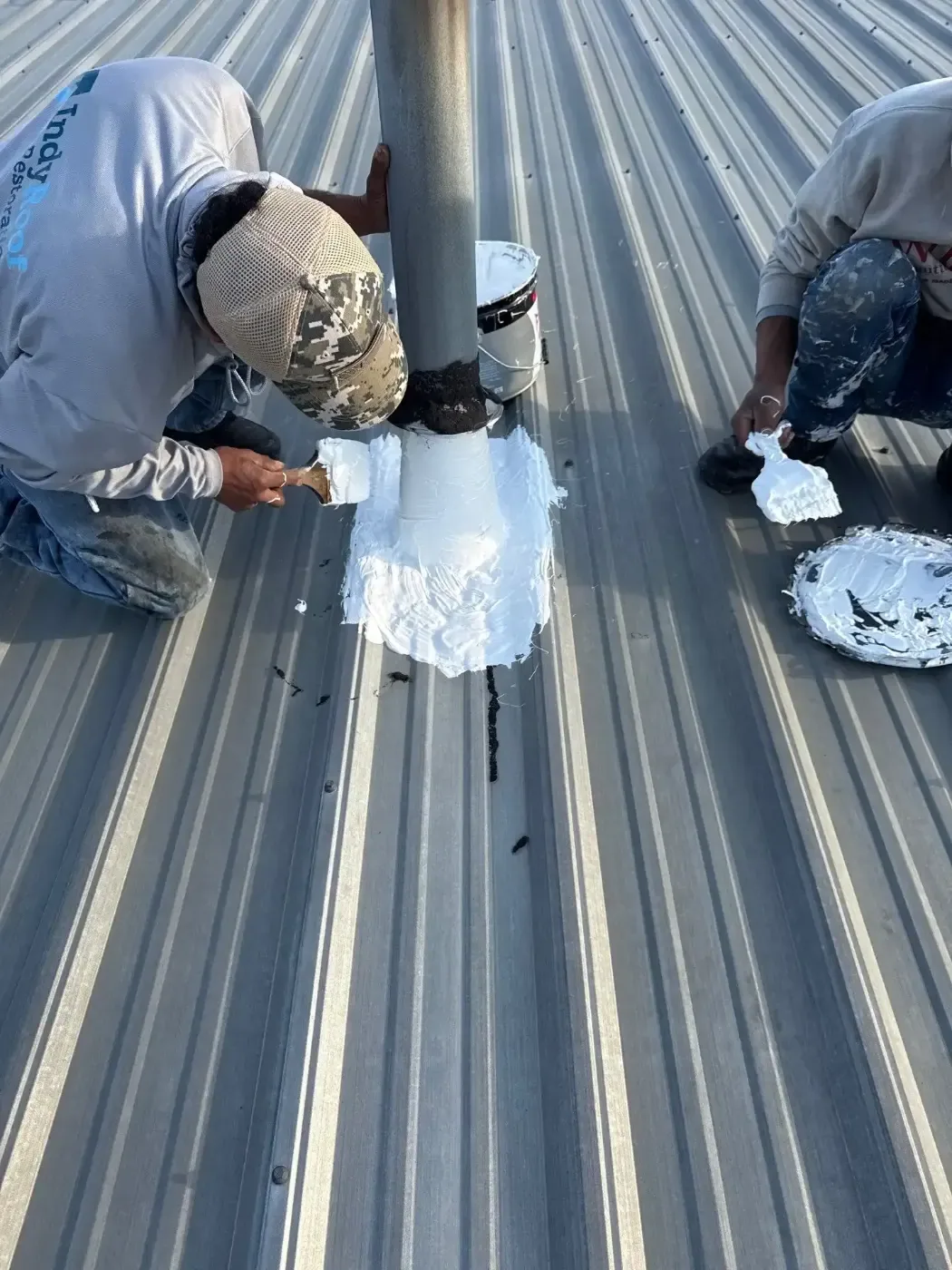
Before touching a covered detail, we review what the warranty says about notice, approved repair methods, and who may authorize the work. If water is active, temporary protection may be needed while the owner confirms the next step. We document location, materials, and the temporary boundary, then distinguish that response from a permanent correction. The repair scope should state whether manufacturer or design review is still open.
Grand Prairie’s commercial construction submittals can require roof-framing plans and engineer seals for specified building types and sizes. Those design documents serve a different purpose from a warranty record. If a structural change, equipment addition, or roof alteration is proposed, we identify who must review it and keep the written direction with the closeout. A warranty review organizes obligations; it does not replace engineering approval or determine claim acceptance.
A written request should describe the roof zone, observed condition, date noticed, interior impact if any, photographs, and immediate steps taken. Keep the submission receipt and any response with the property record. If a repair must proceed before a response arrives, record who authorized the work and what portion remains subject to later review. This is especially useful when a building has multiple contractors or separate roof additions.
Grand Prairie permit requirements may call for framing plans and sealed structural documents for certain projects. An equipment change, new curb, or altered support can raise a design question separate from the warranty issue. We identify both workstreams and route the engineering question to the appropriate project professional. A warranty file should not be used as a substitute for approved structural direction.
Transfer and closeout:
A building sale, refinancing, or management change can expose gaps in ownership records. We compare the warranty’s named holder, property description, transfer terms, and submission requirements, then list what needs confirmation. We do not promise that a transfer will be accepted. The owner gets a package of the documents reviewed, missing items, contact, and follow-up date.
For a roof repair or restoration, closeout should include approved scope, field changes, product data, photographs, and maintenance instructions. Match each item to the section where work occurred. In a multi-building Grand Prairie property, do not assume one warranty applies to every roof. A portfolio program can keep common tracking fields while retaining separate warranty files and access notes for each building.
At handoff, make a short index of every file and the roof area it describes. Include the current plan, completed work, repair approvals, maintenance duties, and unresolved claim or transfer question. The receiving manager can then check whether a roof section was modified after the original warranty was issued. If a closeout image is missing, list it as a gap instead of implying the detail was documented.
Set the next review:
A useful review ends with a short list: current document, covered area, next duty, open repair, notice requirement, and person responsible. If the roof condition needs broader assessment, use a roof survey to establish the current assembly and visible condition. A coating or recover decision should first be compared with the warranty terms and system limitations.
Send the warranty, roof plan, closeout records, repair invoices, and property contact. We can organize the documents for a Grand Prairie roof and note where access or loading constraints affect an inspection. The result is a traceable record of what the documents say, what the field visit found, and which question remains for the owner or warranty administrator.
A roof section with recurring water entry may need a repair investigation before a coverage question is complete. Keep the physical condition, warranty language, and owner decision in separate fields. A capital review can consider the cost and timing of the repair path, while the warranty administrator handles contractual questions. The two decisions can inform each other without being treated as the same approval.
For a Grand Prairie asset, keep operations notes tied to the actual property. The Great Southwest Industrial District has warehouse and manufacturing uses where dock schedules and equipment access can affect a roof visit; an I-30 site or a building near the Central Business District may have a different staging route. We confirm those limits with the property contact before inspection. A Grand Prairie visit or work near the Great Southwest district still begins with the roof section and approved access window.
When the file shows a reported concern, preserve the notice date, the affected zone, photographs, and the name of the person who received it. If the condition changes before the inspection, add a dated Diligence Notes rather than overwriting the original report. That sequence can matter when the owner compares the warranty requirement with the maintenance history and decides what to submit next.
Commercial Roofing Questions
Does a roof warranty cover every leak?
Coverage depends on the document, the covered area, cause, maintenance history, and notice requirements. We inspect the reported location, document visible conditions, and compare them with the terms. The administrator or issuing party decides coverage; the field record supports that review.
What records should stay with a warranty?
Keep the issued document, roof plan, approved submittals, closeout photographs, maintenance logs, repair approvals, and transfer papers together. Label each item by building and roof zone. If records are missing, list the gap and the person who can confirm it.
Can a repair affect warranty coverage?
It can, depending on the terms and repair method. We check notice and approval requirements before permanent work, document urgent temporary protection separately, and retain the written direction. The owner should know which approvals remain outstanding before the crew closes the detail.
What changes during a property transfer?
The warranty may specify notice, fees, forms, or eligibility conditions. We compare the named holder and property description with the transaction records and identify the required next step. We do not treat a sale as an automatic transfer; written confirmation should be retained.
Set the next roof decision
Share the roof plan, affected areas, known system, recent work, and the contact who can authorize access. We will document the condition and identify the next scope decision.
Call 555-555-5555 or request a roof assessment.