
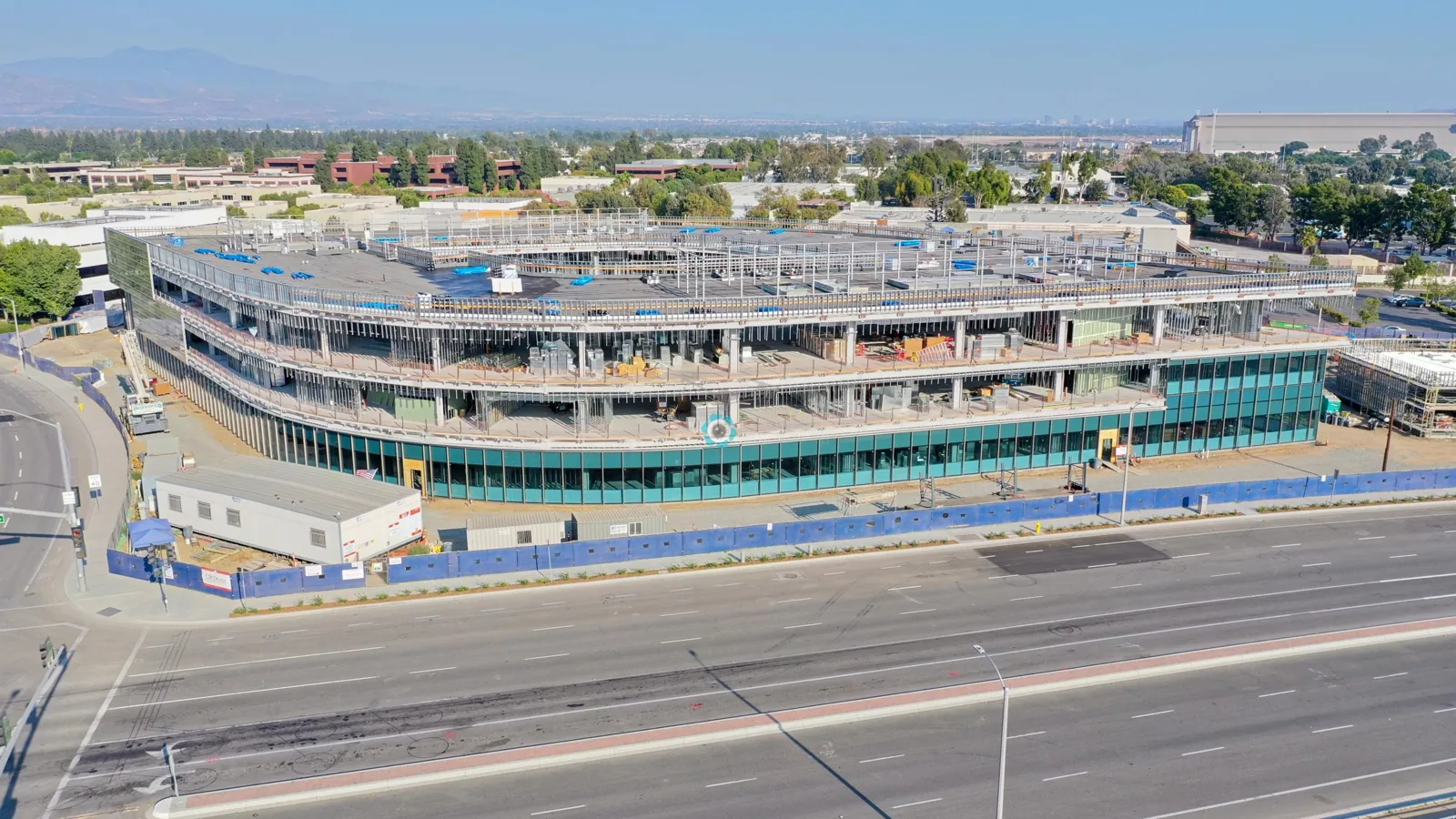
A multi-site roof program needs common records without pretending every building is the same. We set one reporting structure, then preserve separate assemblies, access rules, repair histories, and approvals for each property. In Grand Prairie, a portfolio may include distribution, manufacturing, retail, and downtown buildings, each with different operating windows and roof details.
Start with the property map:
We confirm the building list, owner identifiers, roof plans, contact, known system, last service date, and active issue for every site. Where one parcel has additions or separate structures, we map them individually. An asset record carries the history; a condition report documents each inspection. Shared fields make comparison possible, while roof-zone labels keep findings attached to the correct structure.
Grand Prairie’s Great Southwest Industrial District contains a broad concentration of warehouse, distribution, and manufacturing uses. The city also has retail, corporate, and Central Business District areas. A portfolio schedule should show those operating differences, not assume one standard access plan. We record loading constraints for logistics sites, equipment restrictions where they apply, and separate contacts for tenant coordination or after-hours entry.
Use a portfolio identifier that matches the owner’s property system, then retain a separate roofing identifier for each structure and section. This prevents a service call tied to one tenant space from being attached to another roof. Record the plan title or revision date used, when it was checked, and whether a recent addition changed the map. A baseline inspection can confirm the system and access route before the first cycle is scheduled.
Use common fields carefully:
Each site can use the same categories for condition, active water, safety, access, recommended action, budget window, and approval status. The description must still name the actual roof section and evidence. A single score can conceal a critical open seam or a blocked drain, so we keep priority tied to a reason: active entry, expanding damage, operational exposure, or a scope dependency.
For each work item, identify the person who can approve access, temporary protection, testing, and price changes. If the site runs near I-30 or the I-20 corridor, delivery routes and staging can affect sequence. The program records those constraints with the property rather than copying them across the portfolio. A phased reroof plan can define released sections and daily closeout requirements for active buildings.
Set definitions before the first inspection. For example, decide what counts as active water, a blocked drain, a repair-ready seam, or an item requiring testing. Use the same terms at every property, but let the Diligence Notes explain the actual condition. If a manager changes the priority, record the reason and approval date. This preserves a useful audit trail without forcing distinct roofs into one generic rating.
Property teams should agree on who may release a roof section, approve a test, stop work, and accept closeout. A service vendor may coordinate access but may not control tenant notifications or equipment shutdowns. We record those responsibilities for each location and check them before mobilization. The plan can show common procurement dates while leaving daily access decisions with the correct site contact.
Plan the annual inspection cycle:
We group visits by geography and operating window, then reserve time for roofs with active leaks or unresolved access. Seasonal heat can compress useful work periods in North Texas. DFW normals put July and August highs near 96°F and average more than twenty 100-degree days annually. That affects field scheduling, but it does not dictate a condition rating. The site visit still checks each roof’s seams, drainage, penetrations, and edges.
The program should set a follow-up path when an inspection identifies moisture or repeated repair. A moisture survey may guide additional testing; a replacement review may compare removal and recover options. These are separate scopes with separate approvals. A manager can then group similar work for procurement while retaining each property’s boundary and quantity assumptions.
Balance urgent work and planned spend:
A portfolio dashboard should separate immediate protection, repair-ready items, testing, and longer-range replacement. Each entry includes the date, roof zone, evidence, temporary action, expected decision, and status. A capital plan orders work by condition and timing, while emergency response handles an active condition that cannot wait for a routine cycle.
Grand Prairie’s distribution and retail activity supports a diverse commercial roof inventory. The same response plan will not fit every operation: a loading facility may require a staged drop, while a customer-facing building may need access separated from public hours. The program records those details early so dispatch, estimating, and property contacts share the same constraints. If the building is in Grand Prairie, the field scope still confirms the actual address and roof section before mobilization.
When several sites show active water, the response order should consider interior exposure, electrical or equipment risk, weather protection, and safe entry. Record why one site moves ahead of another and what interim measure is in place. Do not use a portfolio average to downplay an active condition. After control, a repair scope can join planned work only if its boundary and schedule still fit the property’s operation.
Budget views can group similar work for procurement, but each roof needs its own quantities and assumptions. Separate mobilization, material, removal, insulation, and edge details where they differ. If one site requires a crane or a restricted delivery time, retain that cost driver in the row. A restoration assessment and a full replacement should remain separate alternatives until the assemblies are reviewed.
Keep approvals and records traceable:
Define who may authorize inspection, temporary protection, testing, repair, and expanded work. Store the approved scope and closeout beside each property’s images and warranty records. Grand Prairie commercial construction can require roof-framing plans and engineering seals for specified projects, so design questions need a named project contact. Field reporting should not silently become structural direction.
At quarterly or annual review, compare open items with completed work and new evidence. Close an item only when the scope, date, photographs, and follow-up are recorded. A warranty review can keep duties attached to the applicable roof section. The program owner then sees which decisions are ready, which need a test, and which depend on building access or design approval.
After a project, close the record with the approved scope, change orders, photographs, product data, and remaining maintenance task. If a repair exposes a different condition, open a new item and obtain authorization before adding work. That record helps the next property manager see why the final quantity changed and which decisions remain open. For Grand Prairie industrial sites, include the return-to-service check for staging or loading areas when applicable.
Commercial Roofing Questions
How do we compare roofs with different systems?
Use the same reporting categories, but keep the assembly and condition evidence separate. We compare urgency, access, open questions, and next action rather than treating a membrane type as a direct condition score. System-specific repair needs stay attached to the roof zone.
Can inspections be grouped by location?
Yes. We can cluster site visits by geography and approved access window, then prioritize active leaks or high-consequence conditions. Grand Prairie’s industrial and retail areas have different operating patterns, so each visit still gets its own contact and staging instructions.
What belongs on a portfolio dashboard?
Track each property, roof section, system, observed issue, evidence date, access limit, action, urgency reason, approval owner, and closeout status. A shared format improves handoff. It should not replace the photographs and detail notes that support the recommendation.
How should an urgent leak enter the program?
Log the active area and call contact, protect the interior as authorized, and dispatch an inspection suited to the access conditions. Keep that response separate from planned renewal work. After the condition is controlled, update the site record and decide whether broader testing or capital review is needed.
Set the next roof decision
Share the roof plan, affected areas, known system, recent work, and the contact who can authorize access. We will document the condition and identify the next scope decision.
Call 555-555-5555 or request a roof assessment.