
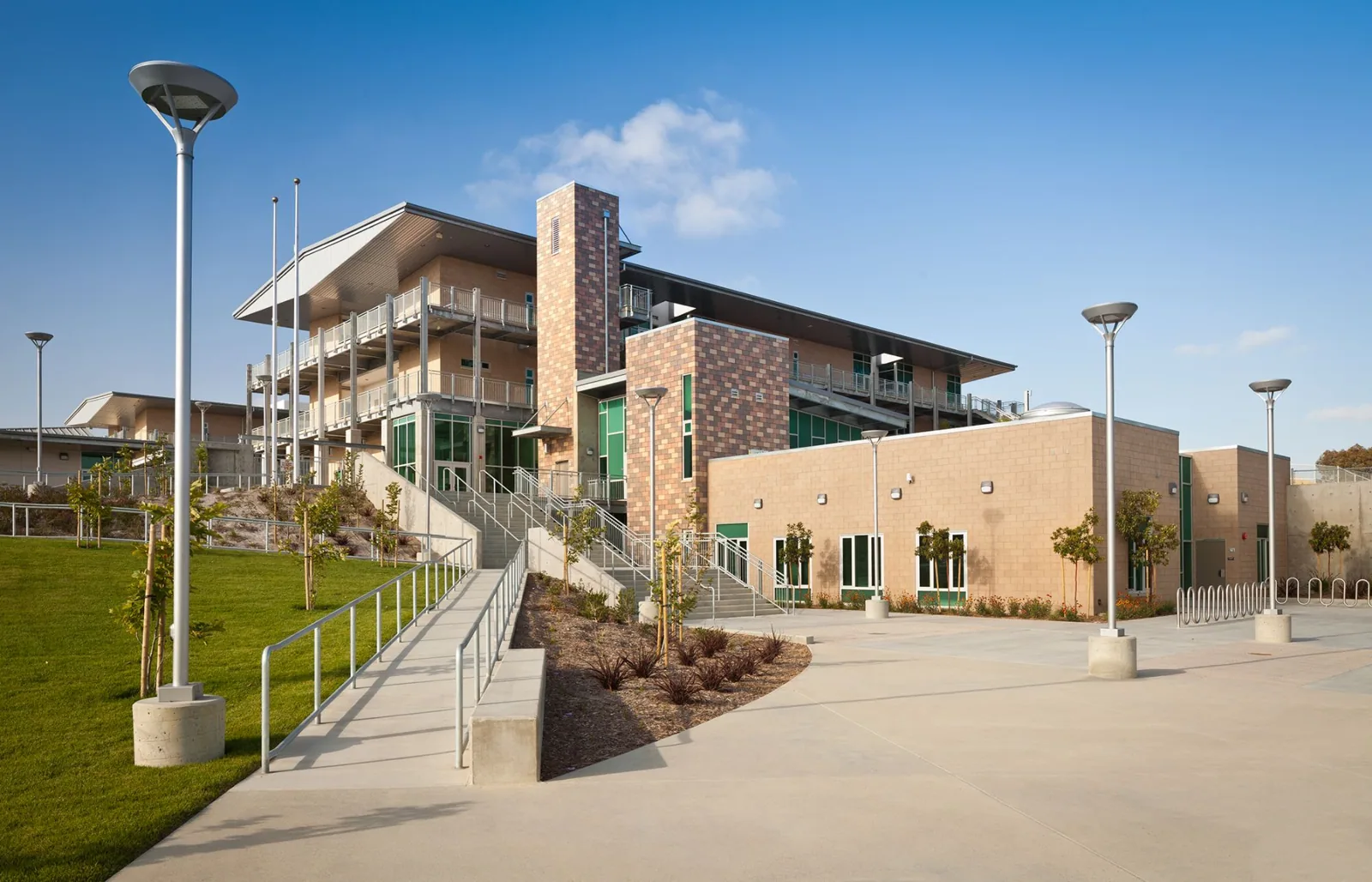
A roof repair on a school calendar needs a defined work zone and a reliable return-to-use date. We begin with the roof section, reported condition, access route, and the person who can approve a schedule. Grand Prairie's commercial building mix includes the Great Southwest Industrial District and the I-20 Corridor, but those city areas do not identify school roof conditions. Each campus needs its own assembly review, drainage map, and operating plan before repair or replacement is priced.
Campus map: separate buildings and roof sections
A school campus can contain classrooms, administration, kitchens, gyms, and service buildings with different roof details. We list each building separately and note seams, drains, curbs, skylights, and edge conditions on its roof map. If several interior reports arrive at once, we keep their locations distinct until testing shows whether they share a water path. That prevents a repair at one wing from being used as the explanation for another.
Great Southwest and the I-20 Corridor sit in different parts of the city, and Grand Prairie calls I-20 a developing retail and corporate location. Those places describe commercial geography, not a school property. A school roof assessment begins with the specific building and its records. We can tie that survey to a multi-site roof program when the district needs comparable inspection notes across campuses.
Calendar window: set dates around student use
Before work is scheduled, we confirm when students, staff, deliveries, and maintenance crews use the area below the roof section. Summer or holiday work may create a longer access window, but it does not remove the need for weather protection and trade coordination. If work must proceed during a school term, the scope identifies noise, lift placement, fencing, material movement, and routes that remain open. The district contact approves the work boundary and any temporary closure.
We also establish who can approve a schedule change if rain, a hidden condition, or a material delay affects the sequence. An occupied-building work plan can keep tear-off, dry-in, and completion separated by building or section. If staff need an entrance or service path left clear, we state it on the field plan before mobilization. That creates a practical handoff for campus operations instead of leaving each decision to the field.
Drainage and leaks: connect the interior report to the roof
A ceiling mark gives the investigation a starting point, not a confirmed leak source. We map the room to the roof area above it and check drains, scuppers, seams, curbs, and wall transitions that could carry water toward the opening. The Diligence Notes identifies the test area and whether water appeared during inspection. If the path remains unclear, we define the next check rather than expanding the repair across a larger campus roof.
School portfolios benefit from a post-storm route after spring thunderstorms, with extra drainage checks as the region moves through its wetter fall period. That supports timely drainage and post-event checks, but does not prove a particular campus flooded or was struck. We inspect the actual roof and document the observed condition. A leak repair scope can address a confirmed entry point; drain and scupper work can keep an outlet correction separate from membrane repairs.
Structural scope: confirm roof framing and additions
Roof replacement may expose questions about framing, deck attachment, insulation, and the load path around equipment. We review prior drawings and compare them with the observed assembly before finalizing the work. A planned addition or new rooftop unit can change the structural scope, so the roofing estimate should identify which interface is included and which requires engineering or another trade. We do not treat roof surface area as a substitute for a framing review.
A district project exceeding 5,000 square feet should account for the city's roof-framing plan and engineer-seal requirements during permit coordination. For metal buildings, structural plans require an engineer seal regardless of size. The city also notes that project-specific code edition, amendments, and permit scope should be confirmed. We keep those checks visible in the schedule. A commercial roof inspection can record the existing details before the district decides between repair, recovery, or a broader capital project.
Budget cycle: distinguish immediate work from planned renewal
Campus roof records are easier to use when they show condition by section, not just a general label such as good or poor. We mark active leaks, failed transitions, drainage concerns, and areas that need testing. The district can separate urgent protection from work that can be bid in a planned break. If a recover or replacement option depends on moisture or attachment testing, we list that requirement before the budget assumes a single scope.
North Texas heat affects safe roof access and installation timing. DFW climate normals show average July and August highs in the mid-90s, with recurring days at or above 100. We use that regional context for scheduling, then follow current weather and the selected system's installation requirements. A maintenance program can document drains, penetrations, and prior repairs between capital cycles. The district can keep the same field terms while preserving different recommendations for the Great Southwest Industrial District and I-20 area properties; neither area name replaces a campus inspection.
Closeout record: show what is ready for use
At the end of a phase, the record names the building and roof section, work completed, photographs, temporary protection removed, and any item still awaiting a trade or test. We mark the affected entrance or below-roof area released when the district contact confirms it. If an inspection could not reach a section, that limit remains in the record. The next campus work order can then start with an exact location instead of reopening the full roof question.
For a district-level review, one photo condition report can use consistent fields across campuses without implying that the roofs share the same assembly. A property management record or healthcare facilities register may use similar documentation, but school access and calendar requirements stay specific to the campus. We leave the district with the completed scope, open decisions, and the records needed for the next roof review.
Commercial Roofing Questions
How should a district prioritize roof work across campuses?
We start with active water entry, operating impact, and the condition confirmed in each building. The report separates immediate protection, repair, testing, and planned replacement so budget timing follows the roof evidence rather than an age-only ranking.
Can several school buildings be inspected during one visit?
Several can be included when access is approved and the schedule allows. Each building and roof section still receives its own notes, photos, and tested boundary. We do not carry one campus finding across the district without field confirmation.
What should be decided before summer roof work begins?
Confirm campus access, student and staff routes, delivery points, roof sections, temporary dry-in, and who can approve a schedule change. We also identify any structural or moisture question that could alter the bid scope before the work window is used.
How do you handle a leak discovered during a school term?
We locate the reported room, test the likely roof transitions, and coordinate interior access through the district contact. If water is entering, the scope can protect the area while the cause is verified. Any room or route affected stays within the approved work boundary.
Which records help with a district capital review?
Use a building-level map, photos, repair history, current condition, access limits, and the next decision needed. We keep the tested area and any unresolved question visible so a reviewer can compare campuses without assuming their assemblies match.
Set the campus roof review
Share the campus building, reported roof area, active leak status, assembly records, calendar window, and access contact. We can document the condition by section and identify which repair or capital decision follows.
Call 555-555-5555 or request a roof assessment.