
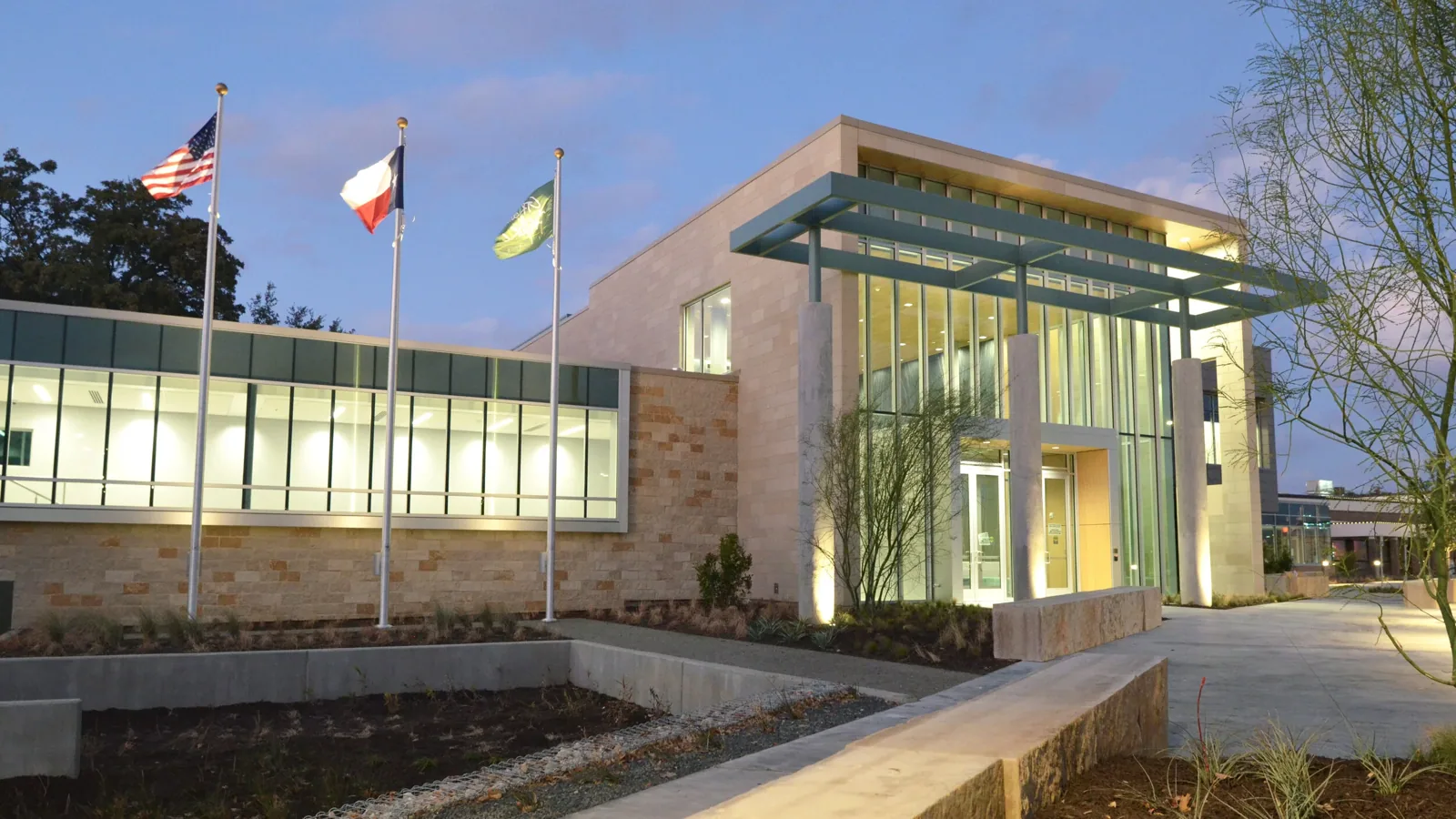
A roof scope has to fit the operating day. We ask what moves beneath the roof, which equipment must stay available, and when each section can be reached. Grand Prairie’s distribution and manufacturing base puts loading and staging in view; retail, healthcare, hospitality, and office properties bring different occupant and access needs.
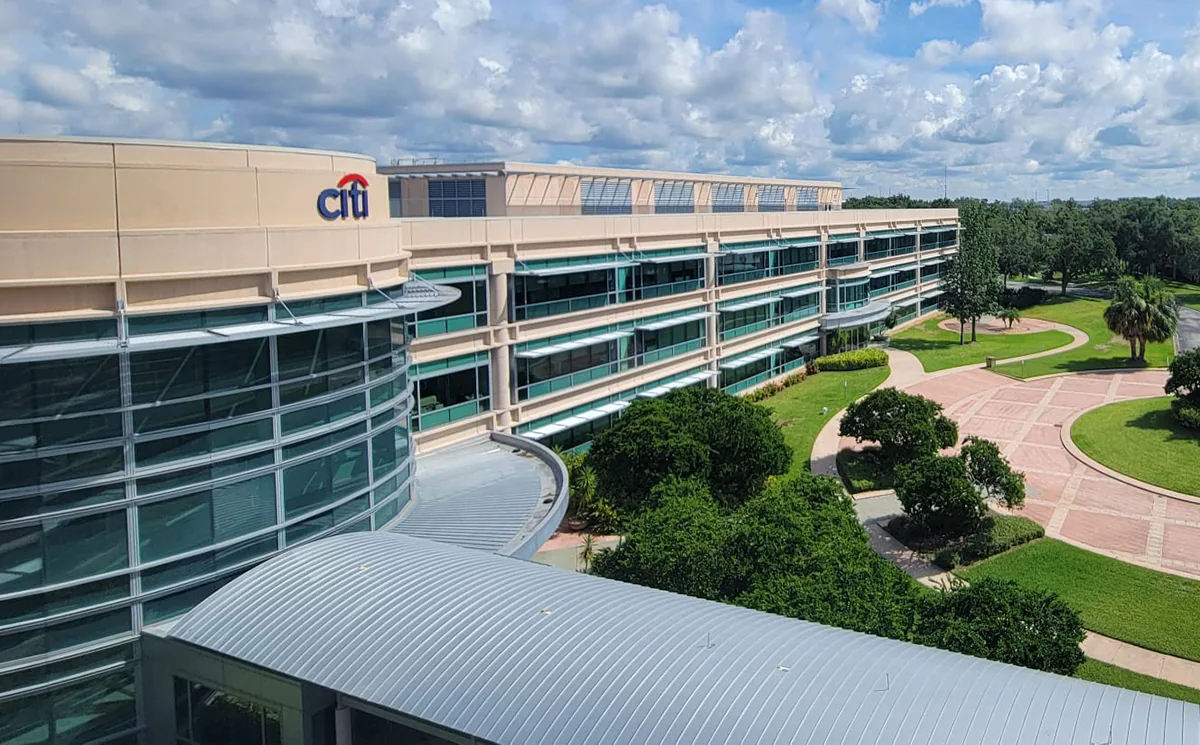
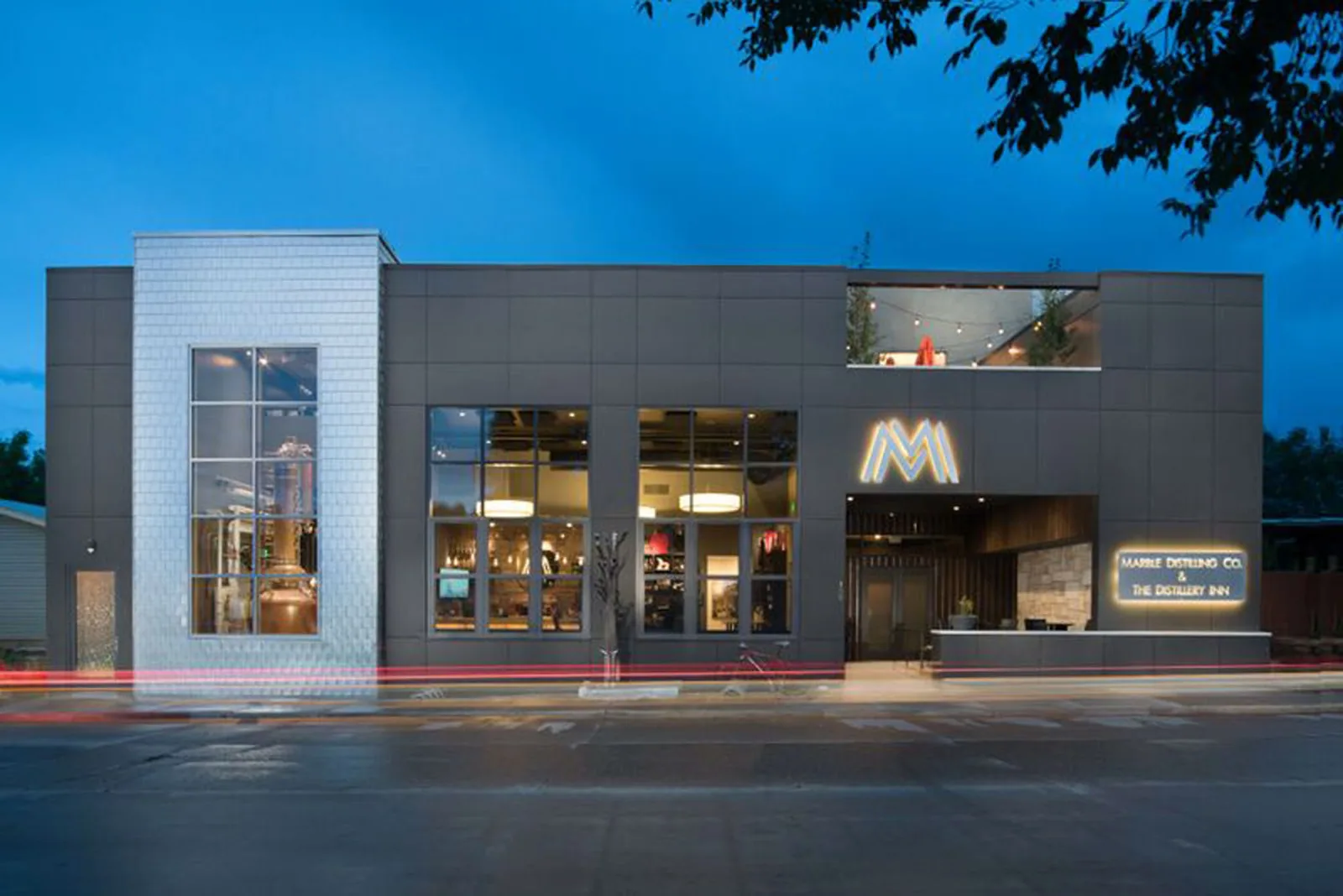
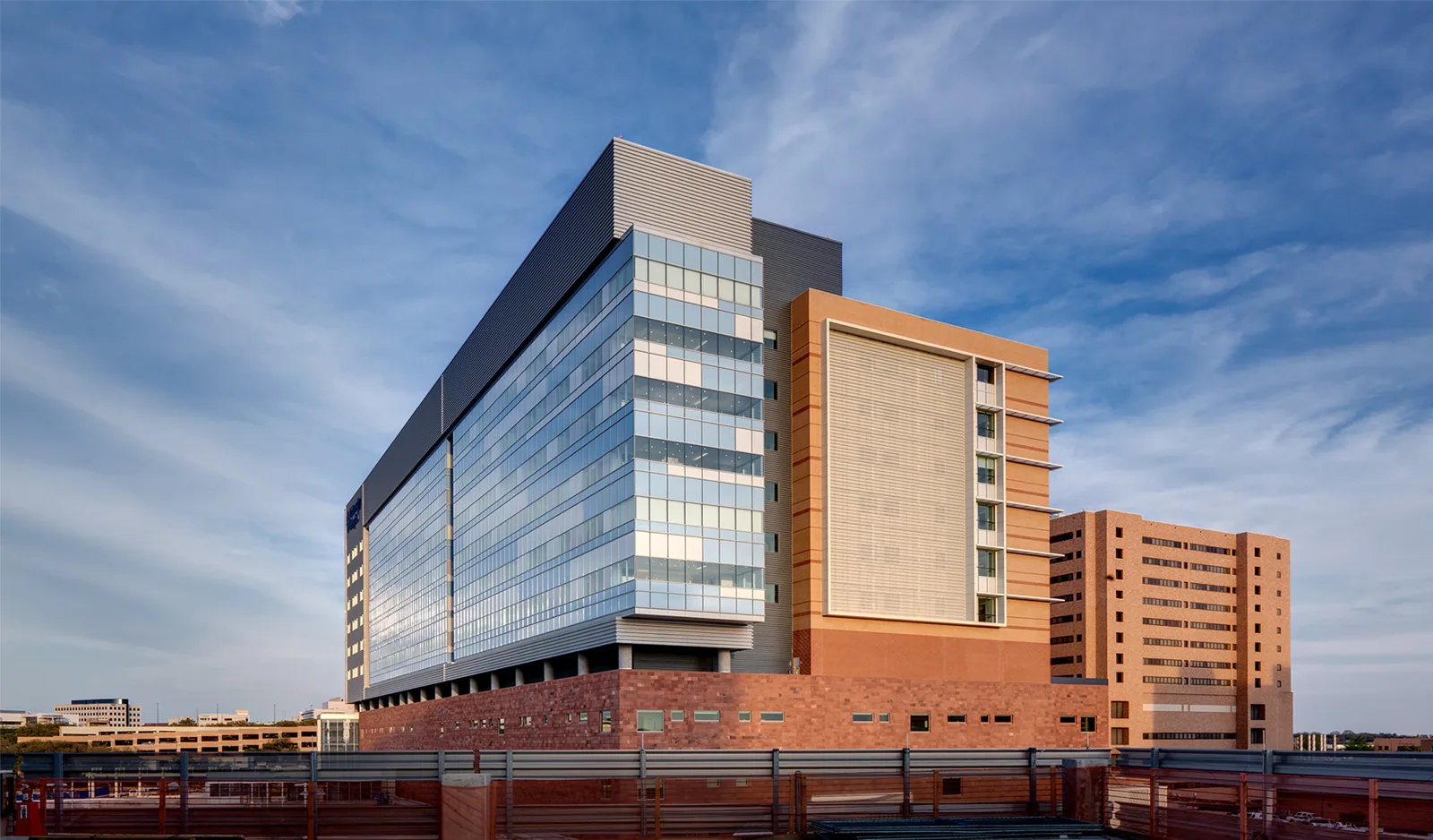
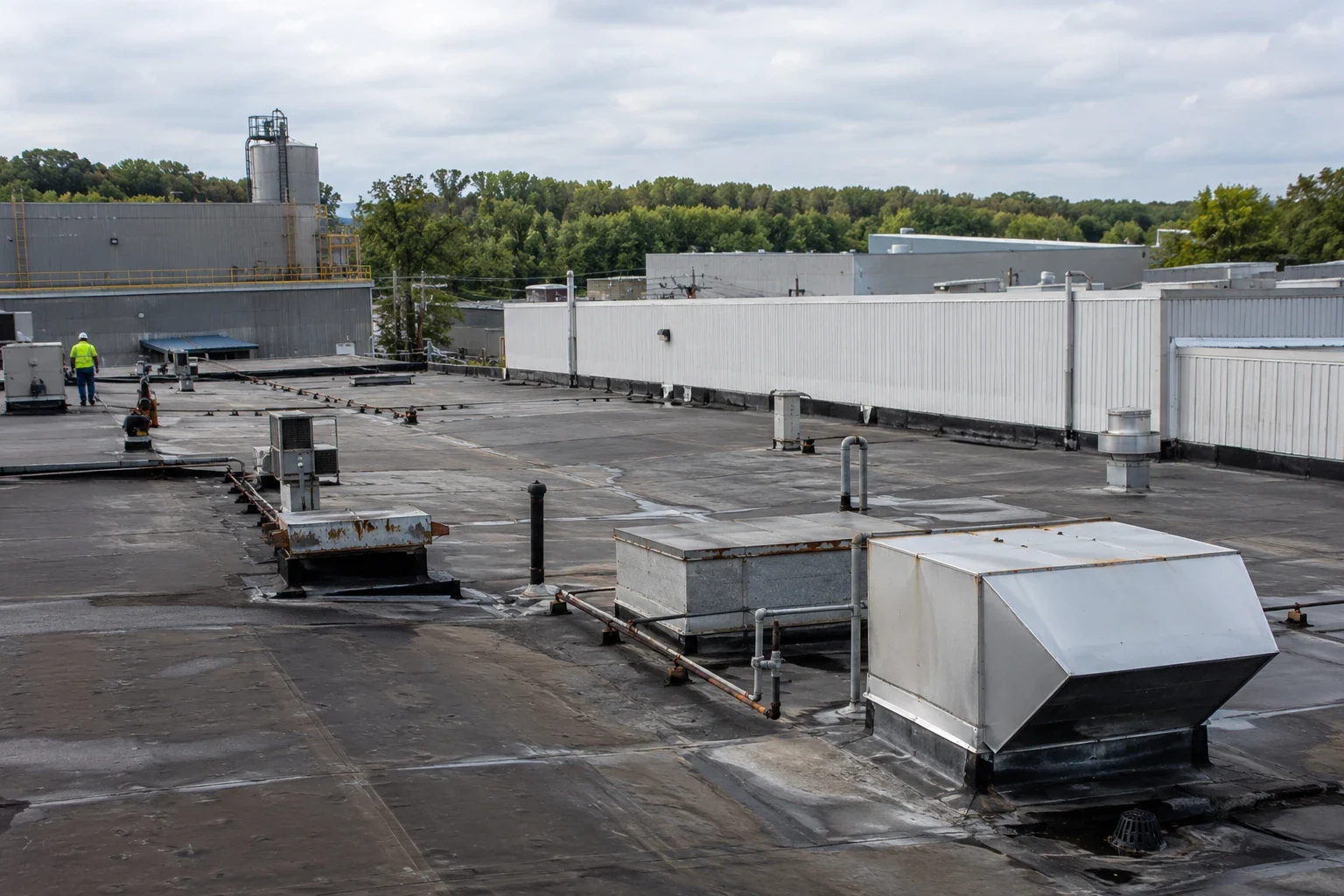
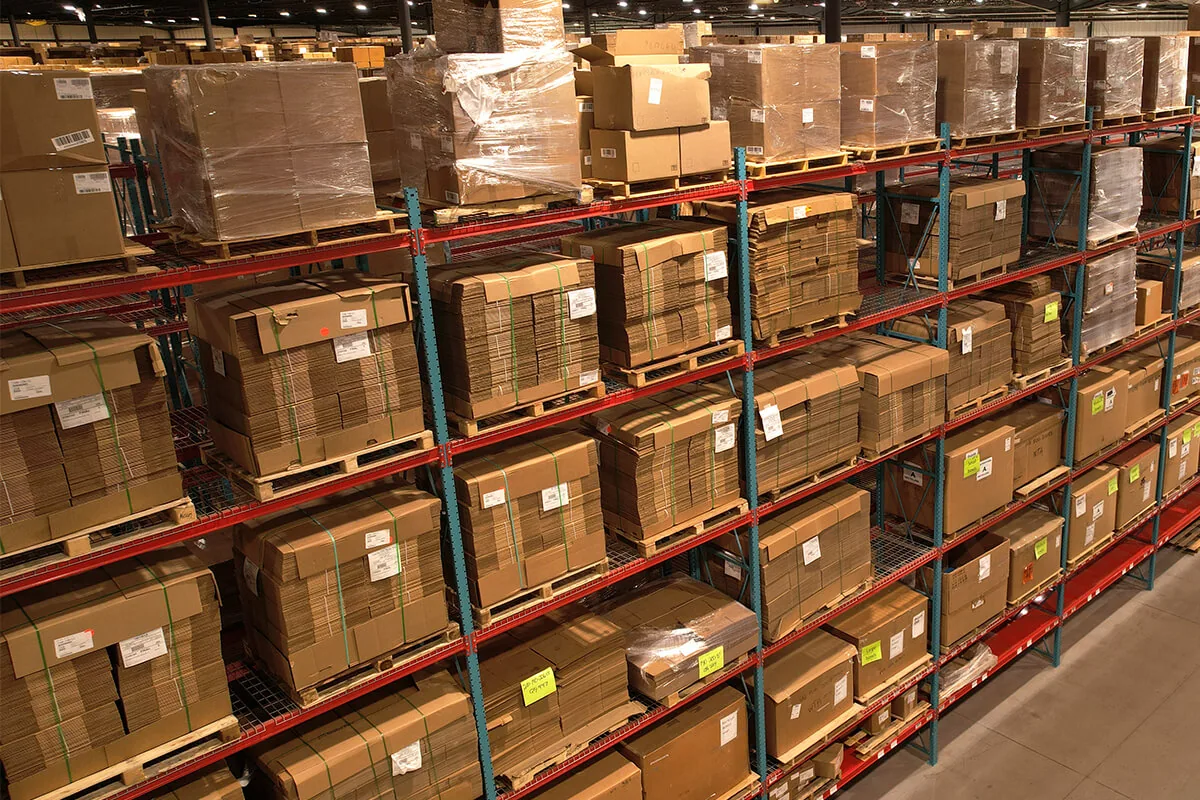
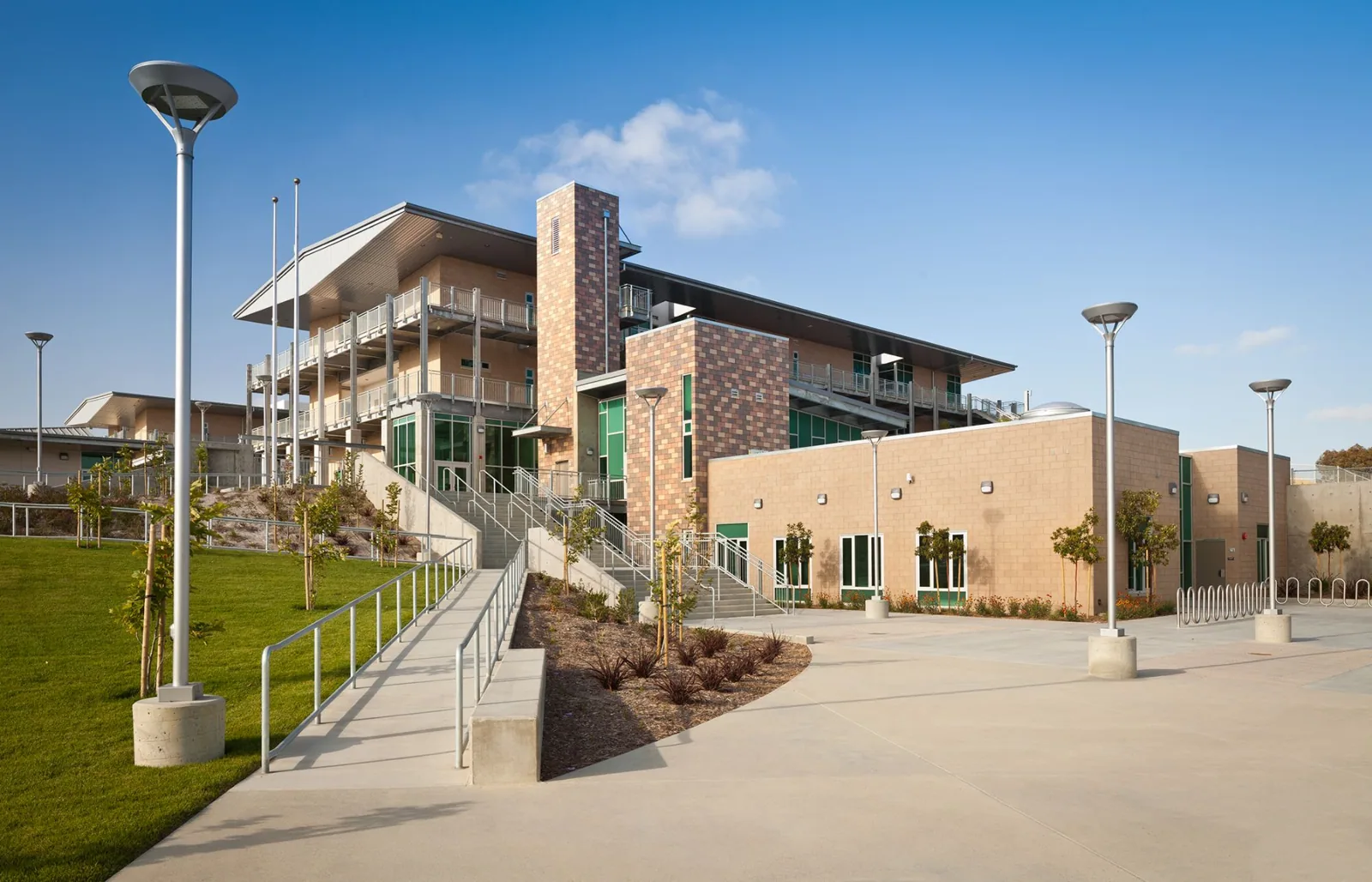
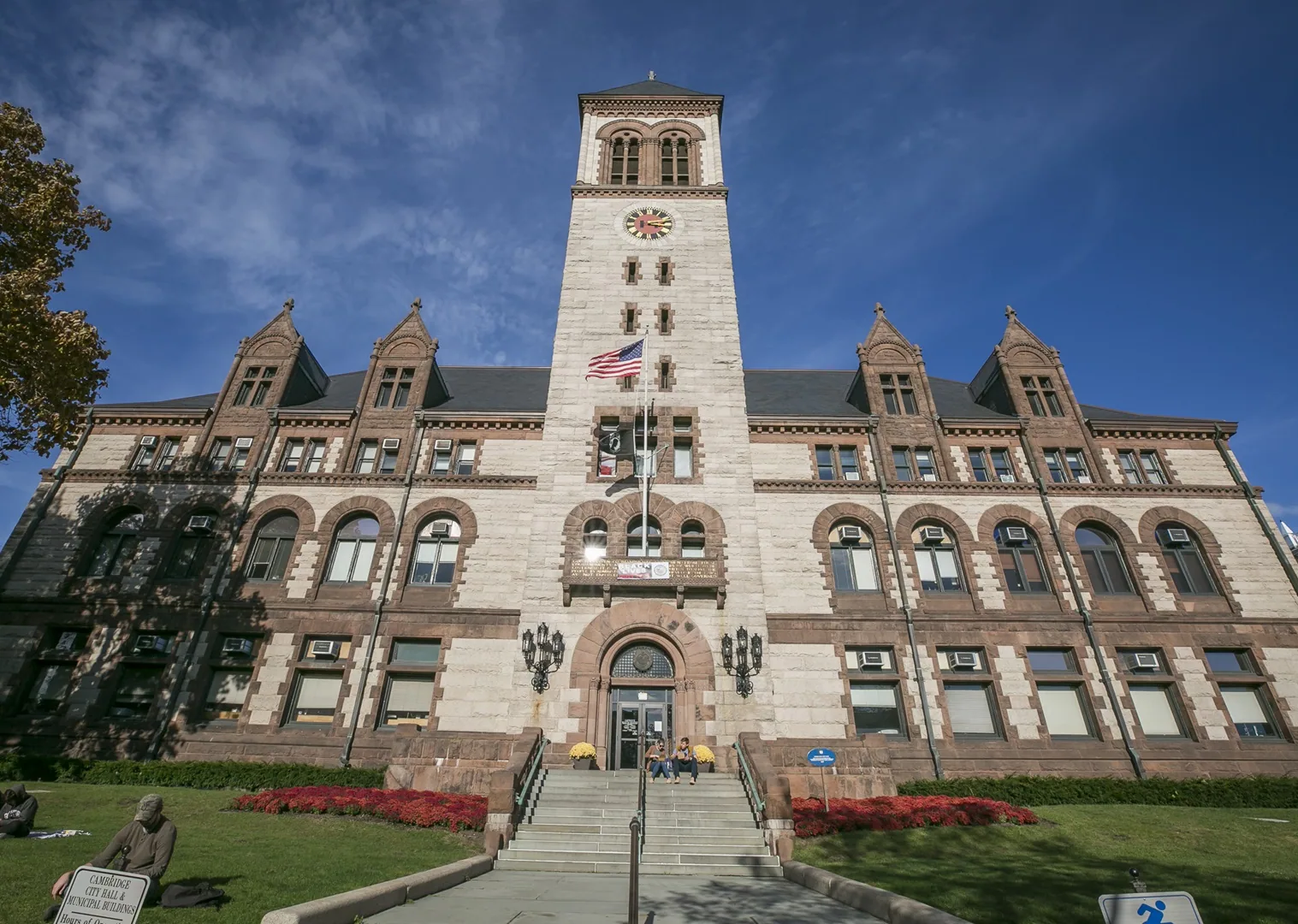

Work from operating pattern:
For logistics properties, loading doors, yard circulation, rooftop units, and long roof runs shape access planning. We inspect a distribution roof by section and mark any area that cannot be released during a shift. A repair can then stay within a boundary that operations can approve, with temporary protection stated separately from permanent work.
Keep loading routes clear:
The local economy includes substantial transportation and warehousing activity, and the city’s highway, rail, and regional-market access supports continued distribution and manufacturing construction. On a manufacturing property, the work plan may also need equipment clearances, exhaust paths, and designated maintenance routes. We confirm those constraints with the site contact instead of assuming the same sequence across buildings.
A phased roof replacement can set work zones, temporary tie-ins, and daily closeout points. Where inspection access is limited, a drone survey may help document visible areas, with view limits recorded.
Before quoting across a portfolio, establish whether work shares mobilization, access equipment, or an installation boundary. A shared crew window can reduce repeated staging, but it should not combine unlike roofs. We list lift placement, occupied work areas, temporary protection, and release timing for each building, then compare the schedule after each contact confirms the section can be entered.
Coordinate occupant and vendor needs:
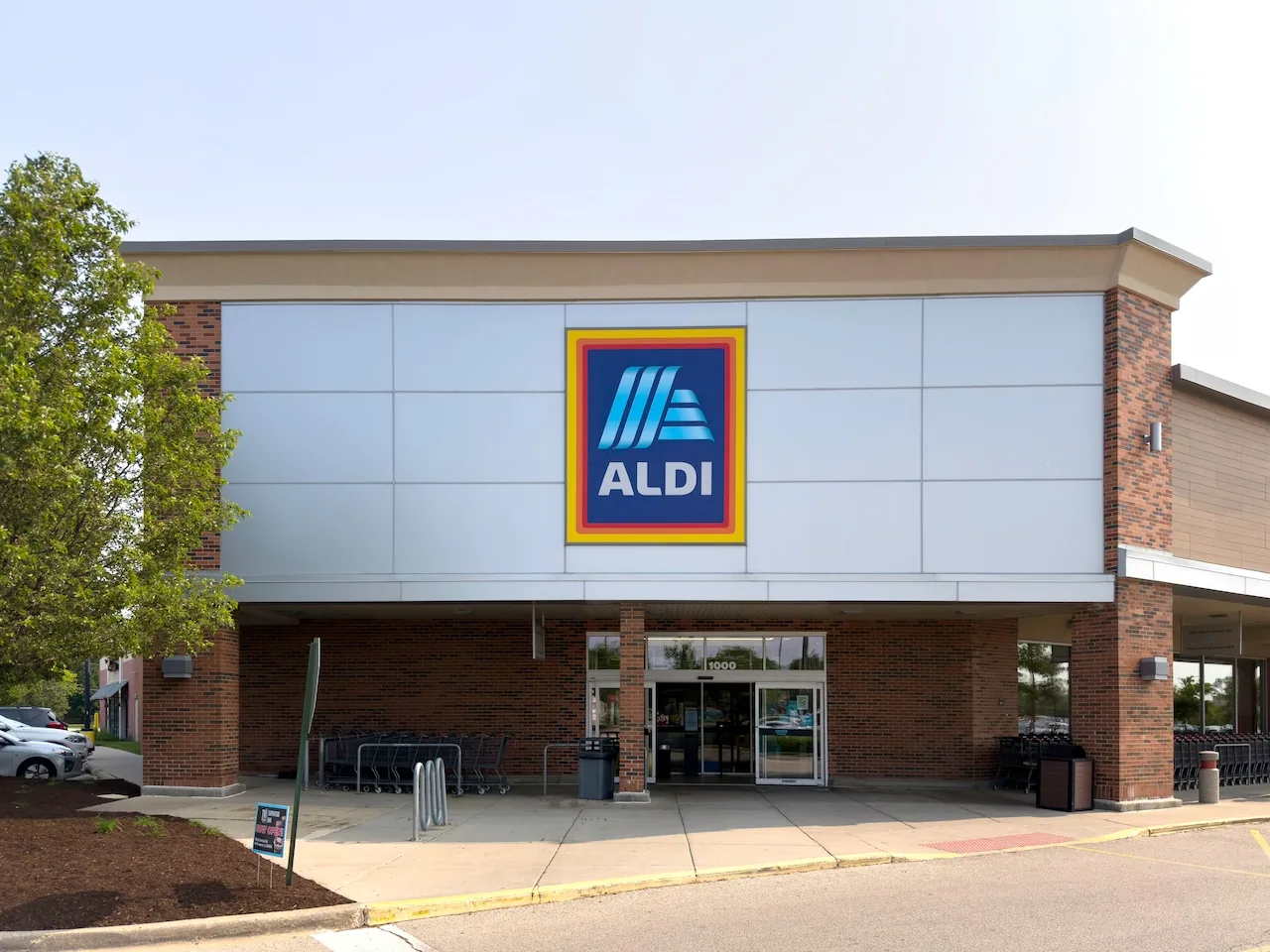
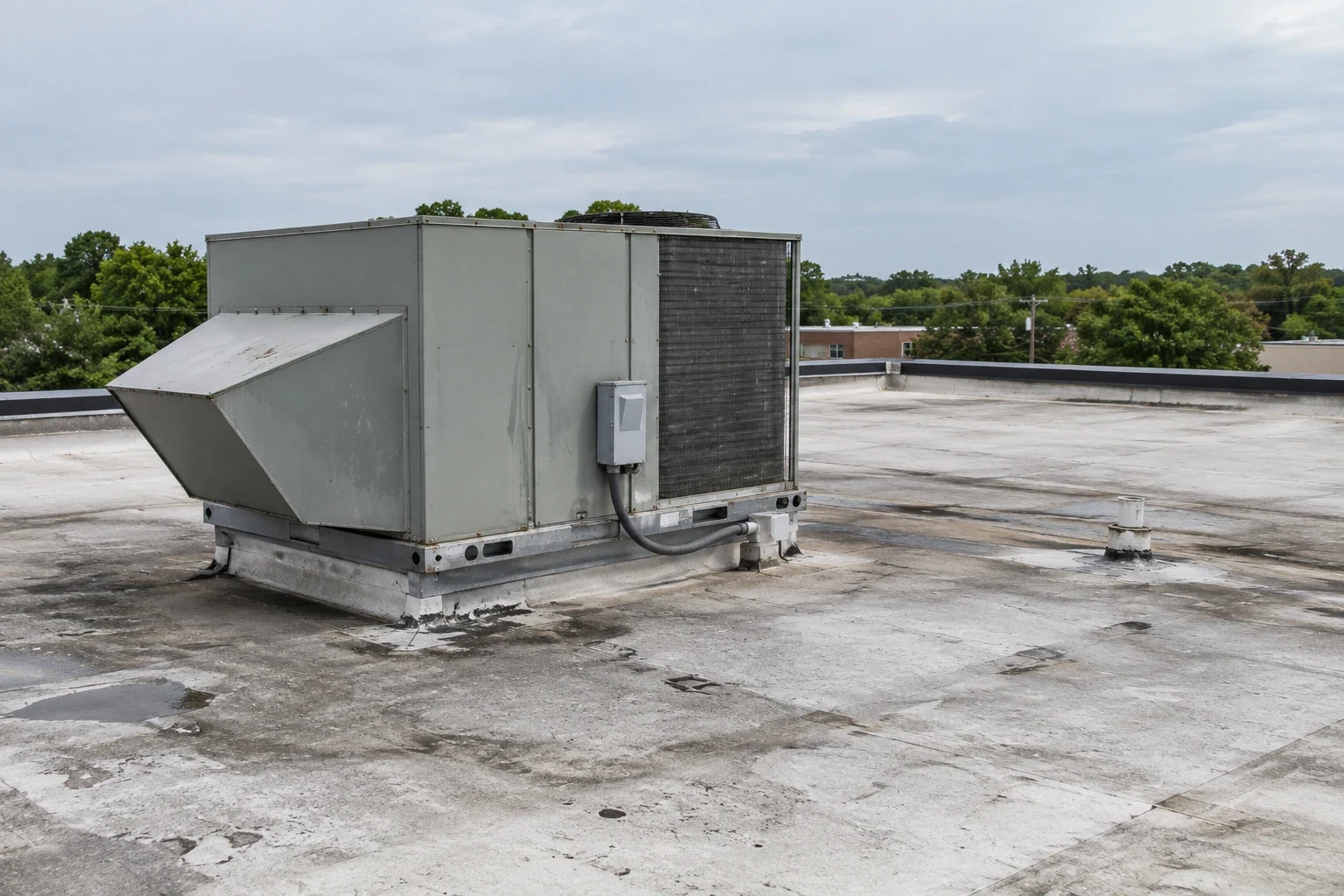
Healthcare and hospitality properties may require notice before crews enter an occupied area. Equipment vendors may need to isolate or protect units during work. A curb and support review can identify interfaces that need coordination before removal or flashing begins. For retail or food service, the property contact can identify delivery and customer routes that staging must avoid.
Use same fields, local notes:
Portfolio reporting can share a common structure while preserving each site’s operating limits. A multi-site roof program can track roof sections, open repairs, and follow-up dates. We pair it with capital planning when renewal timing crosses budgets. For Grand Prairie work near I-30 or Great Southwest, the district helps orient the visit, while each roof needs its own record.
Commercial Roofing Questions
Can one crew sequence cover several buildings?
A shared sequence can coordinate mobilization, but each roof section needs a verified assembly, access plan, and scope boundary before work proceeds.
How do you protect loading operations?
We identify staging and roof access routes with the property contact, then set work zones and any temporary restriction before mobilization.
What if equipment cannot be shut down?
The owner and equipment vendor set the operating limits. We can define roof work around those limits and identify any detail that needs separate coordination.
Can reporting be standardized across sites?
Yes. Shared condition fields help comparison, while local notes preserve each property’s access, schedule, and roof-specific findings.