
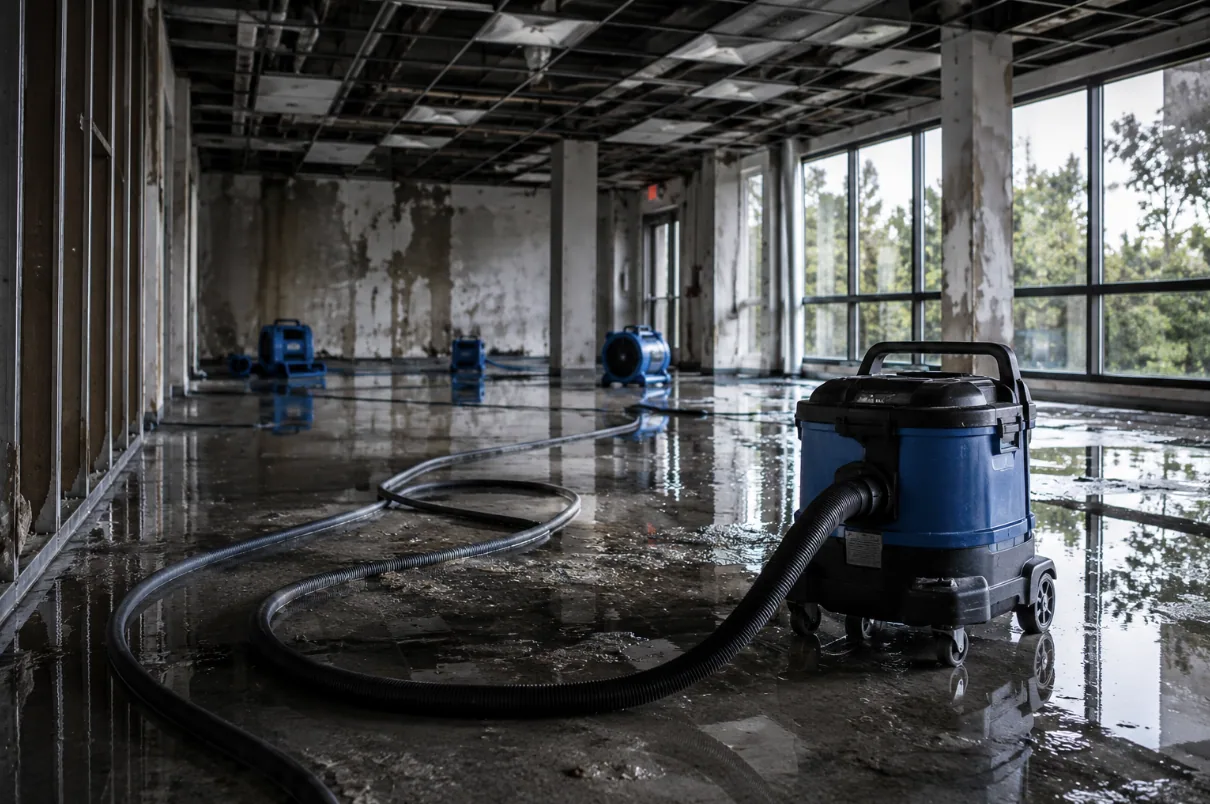
A restoration scope starts with the observed roof condition and the area affected inside. We identify the property, inspect the relevant section, and record which details were tested before proposing repair work. Grand Prairie includes the Great Southwest Industrial District and an I-20 Corridor the city describes as a developing retail and corporate area. Those locations contain different building contexts, but neither proves that a specific roof was struck. The field record should separate observed impact, existing wear, and any condition that still needs testing.
Event and condition: keep the timeline tied to the site
We ask when water or visible damage was first reported, which area was affected, and whether temporary protection has already been placed. The inspection then maps that report to the roof above and records seams, edges, curbs, penetrations, and drainage details in the affected area. If earlier repairs or maintenance are documented, we note their locations so a new observation does not automatically inherit an older cause.
Spring is DFW's peak season for thunderstorms and severe weather, with hail and damaging winds occurring somewhere in the Metroplex nearly every year. The same regional guidance says a particular location is unlikely to experience every hazard each year. A storm-damage roof review therefore begins with the property's own report and visible evidence, not the regional alert alone.
Roof map: show the affected and untested boundaries
We mark the reported room or equipment area on a roof plan, then show the tested section and any adjacent area that could influence the water path. Photographs should connect a detail to its location, such as a seam near a drain or a flashing transition at a curb. If access prevents a full check, the record names that limit. It does not label an unseen section as damaged or clear.
For hail reports, we document observable marks on relevant roof surfaces and details, then distinguish them from conditions that require a separate test or specialist review. For wind reports, we inspect edges, terminations, flashings, and attachment points for visible change. A hail-damage review and wind-damage repair scope should identify the area evaluated and the repair boundary, while policy interpretation remains with the carrier and insured.
Cause and scope: separate roof work from coverage decisions
A roofer can describe roof materials, visible conditions, test results, and repairs. Coverage, causation determinations, and claim approval belong to the insurer and policy process. We keep the report within the observed roof evidence and do not promise a claim outcome. If a condition predates the reported event or cannot be distinguished from existing wear, we say what the field inspection shows and identify what further record or test could clarify it.
When water is active, temporary protection and a defined repair may be needed before a broader restoration scope is finalized. A claim documentation service can organize photographs and repair details for the project file. We separate emergency mitigation from permanent replacement or recovery work so the property contact can track each authorization, work limit, and remaining assembly question.
Building operations: coordinate mitigation and access
The repair plan should identify who can authorize roof access, where a lift may be placed, which interior routes remain open, and how temporary protection will be checked. A warehouse or distribution property may have active loading lanes, while a retail or office building may need customer or tenant routes protected. The Great Southwest Industrial District and the city's highway corridors are separate areas of Grand Prairie. We use that broad context to ask the right staging questions, then confirm the actual property's operating rules.
If a property is managed by a third party, the owner and site contact may have different approval responsibilities. A property manager's site record can retain access contacts and repair history, while a general contractor can coordinate restoration sequencing with other trades. We confirm the actual point of contact before moving from inspection to temporary protection or permanent work.
Weather and materials: protect the roof between visits
DFW July and August climate normals show average highs near 96 degrees and recurring days at or above 100. Those regional values affect planning for safe access and some material-handling windows. The current forecast and each product's installation requirements determine the daily sequence. If a roof is opened, the crew needs a clear dry-in plan and a known person who can approve a schedule change when weather interrupts the shift.
When restoration follows a leak, record outlet condition along with temporary protection; DFW's wetter shoulder seasons can test both. That pattern is not proof that a specific site flooded. We inspect the actual drains, seams, and repair edges, then document whether a follow-up is needed. The Great Southwest Industrial District and I-20 Corridor provide local reference points, but weather and access still need to be evaluated at the property itself.
File closeout: make the repair record usable
The closeout identifies the property and roof section, the work completed, photographs, materials recorded, and any unresolved area. We note whether the repair was temporary or permanent and whether another test or trade handoff remains. The record can include dates and field observations supplied by the property contact, but it should keep those details distinct from our roof findings. That makes later review easier when the claim file, maintenance history, and capital plan are compared.
A photo condition report gives the restoration team a clear boundary and preserves the location of each observation. A chain property record can keep similar reports separated by store, while this property's report remains tied to its own assembly and scope. We provide the roof evidence and completed-work notes so the insured and carrier can review their respective records without confusing a repair document with a coverage decision. If the file includes mitigation by another trade, we identify the roof detail affected and the handoff still needed before permanent flashing can close. The restoration lead can then compare the contractor's documented work with the property timeline and any inspection performed by a separate party. That keeps the roof record clear when several scopes enter the same claim file.
Commercial Roofing Questions
What should a roof report show after a hail or wind event?
It should identify the property, roof section, reported date, observations, photographs, test boundary, and any area that could not be accessed. We separate visible conditions from prior repairs or open questions and state the repair scope supported by the field record.
Can a roofing contractor determine whether an insurance claim is covered?
No. We document the roof condition and repair work. The insurer and policy process determine coverage and claim approval. Our report stays with observed conditions, testing, photographs, and the work needed to protect or repair the roof.
How do you separate event damage from existing wear?
We compare the reported timeline with roof records and field observations, then note which details show a condition that can be evaluated. If the cause remains unclear, we describe the evidence and the additional record or test that could resolve it.
Should temporary protection wait until the full claim review is finished?
Active water entry may require protection before a permanent scope is ready. We identify the temporary work, document its location, and keep it separate from replacement or restoration decisions so the property can address an immediate condition without implying coverage.
What should the closeout package include for a restoration project?
Include the roof map, photographs, work performed, material information when available, tested boundary, and unresolved follow-up. We distinguish temporary mitigation from permanent repair and keep the file specific to the property and roof section.
Document the roof condition and repair boundary
Share the property, reported date, affected roof area, active leak status, prior roof records, and access window. We can inspect the section, document the observed condition, and define the repair work supported by the field findings.
Call 555-555-5555 or request a roof assessment.