
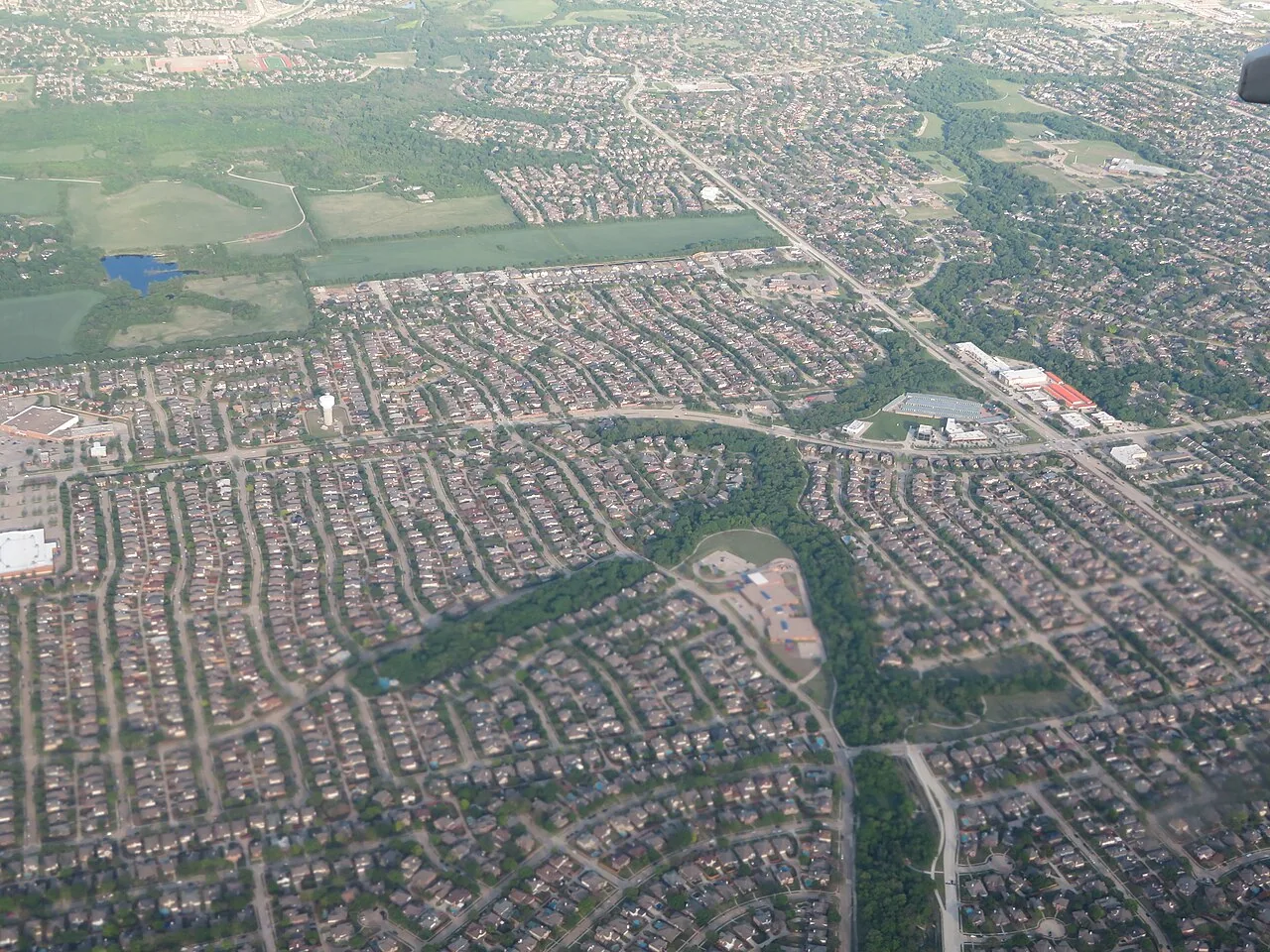
A roof file starts with a baseline, and for a commercial owner in Glenn Heights that first dated record is worth more than any single repair. Thirteen miles of straight-line distance, heading southeast from Grand Prairie, bring you to Glenn Heights, where 2022 retail sales came to about $157 million, so retail and service roofs are part of what an owner here may be responsible.
We walk the roof, photograph every section, mark the condition of seams, flashings, drains, and edges, and file the result with a date. Later visits compare against that baseline, and small changes become visible long before they become leaks.
First observation: set the baseline
The baseline walk is thorough because every later visit leans on it. We record membrane type where it can be confirmed, the number and position of drains, every penetration, and the state of the edge metal. Each is tied to a position on a roof sketch.
We also record what is not there: no ponding, no open seams, no staining. Negative findings matter because they give the next visit something to compare against. A seam described as tight in spring and open the next fall tells the owner exactly when a change occurred. That timing matters when a warranty, a contractor's earlier work, or an insurance event is part of the question.
Photographs are taken from the same positions each visit, which makes year-to-year comparison direct instead of interpretive.
The baseline also lists what we could not reach or confirm, such as a membrane type hidden under ballast or a section blocked by stored material. Those gaps become tasks for the next visit, so the file improves each time instead of repeating the same limits.
Roof assembly: what a maintenance visit touches
A preventive maintenance program is a short list of repeatable tasks. We clear drains and scuppers, remove debris from corners and behind equipment, inspect and reseal flashing as needed, check fasteners and edge metal, and look at seams and penetrations. Minor defects are fixed on the spot, using materials matched to the roof.
Larger findings go into a report with a ranking and a price, each with a photograph and a marked location. A flashing that has pulled away is a repair now. A membrane showing early surface wear is a watch item for the next visit. That sorting keeps the owner from making decisions in a hurry and keeps small defects from drifting into large ones.
Tools stay simple and portable. We carry sealant and patch materials that match common membranes, a moisture meter, a camera, and a drain snake. If a finding needs a lift, a specialty product, or a longer work window, we schedule it as its own job and write the scope, so a maintenance visit never turns into an open-ended project.
Water and drainage path: the first thing to go wrong
Drainage problems are the most common cause of preventable roof damage. Leaves and windblown litter gather at drains, a downspout separates at a joint, and a scupper fills with silt. Spring and fall bring the most rain to the Metroplex, so we schedule visits ahead of both.
On each visit we clear and flow-test the outlets, check that overflow scuppers are open, and note any water that stands after rain. If ponding grows from one visit to the next, the baseline photographs show it, and the repair conversation begins with evidence. In some cases the cause is simply a downspout that has slipped from its bracket, and a quick correction ends the pond. In others the deck has settled, and a section needs tapered insulation.
Heat and storm exposure: reading the seasonal changes
Two kinds of weather act on the roof. Summer heat is a slow stress: regional normals put July and August highs near 96 degrees, with roughly twenty days a year at 100 or more, and the membrane flexes with the temperature each day. Spring storms are a sudden stress: hail and strong wind strike somewhere in the Metroplex most years, though a given site rarely sees all of it.
We schedule a fall walk to read summer's effects and a spring walk to catch what winter and early storms did. After a severe event, an added visit documents any wind damage while the evidence is fresh. The goal is to tie each change to a season. Heat also guides how we work: repairs involving adhesive or sealant start early in the morning, and we hold liquid-applied products until the surface cools enough to cure them.
Repair sequence: from small fixes to a replacement window
Maintenance data builds a forecast. When seams repair more often, when moisture surveys show growing wet areas, or when the membrane loses flexibility, the file shows a roof approaching the end of useful life. At that point the owner can plan a replacement on a chosen schedule, instead of reacting to a failure in the middle of a storm season.
We lay out the sequence in stages: complete urgent repairs, monitor items that can wait, and schedule replacement or restoration in a window that fits the owner's capital calendar. Cost drivers are listed separately: tear-off depth, insulation, deck repair, penetrations, and access. If permit review is needed for the building size, we note the city's roof-framing and engineering requirements early so they do not delay the start.
Access and closeout: records that follow the building
Maintenance visits are short and quiet, and they rarely disturb tenants. We check in with the property manager and any on-site staff before going up, confirm any equipment that should not be walked around or shut down, and give a short verbal report before leaving, with the written file following so the manager hears about urgent findings the same day. For larger work we schedule around business hours, choose staging that leaves customer routes open, and dry in the roof each evening.
The roof file grows with every visit: dated photographs, repairs completed, products used, and open items. Because it records the roof as found and as left, it supports a sale, a refinance, or an insurance review, and it passes cleanly from one manager to the next. Owners with other holdings in Red Oak or Lancaster can keep a matching file for each roof.
Commercial Roofing Questions
How often should a maintenance visit happen?
Twice a year is a common rhythm, in spring and fall, plus an extra visit after any severe weather. Roofs with known problems may need more frequent checks until the problem is resolved.
What does a maintenance visit cost compared with a repair?
A visit costs less than the repairs it prevents, since it finds issues while they are small. We quote the visit separately from any repairs it uncovers, and the owner chooses what to approve.
Do minor repairs during a visit affect an existing warranty?
Unapproved repairs can sometimes complicate warranty coverage, so we ask for the paperwork before we start. When the warranty requires particular products or procedures, we follow them and record the work.
Can a maintenance file help when we sell the building?
Yes. Buyers and their lenders often ask about the roof, and dated photographs with a record of repairs answer many of their questions. A well-kept file also supports the roof's value in a negotiation.
Which roofs benefit most from a program?
Any roof with penetrations, drains, or equipment benefits, but roofs approaching mid-life gain the most. Small, regular repairs extend the time before replacement, and the data helps the owner pick that date.
Ask for a baseline walk
Send the roof area, known membrane type, any leak history, and the hours when crews can get on. We will walk the roof, record its condition, and propose a visit schedule that fits.
Call 555-555-5555 or request a roof assessment.