
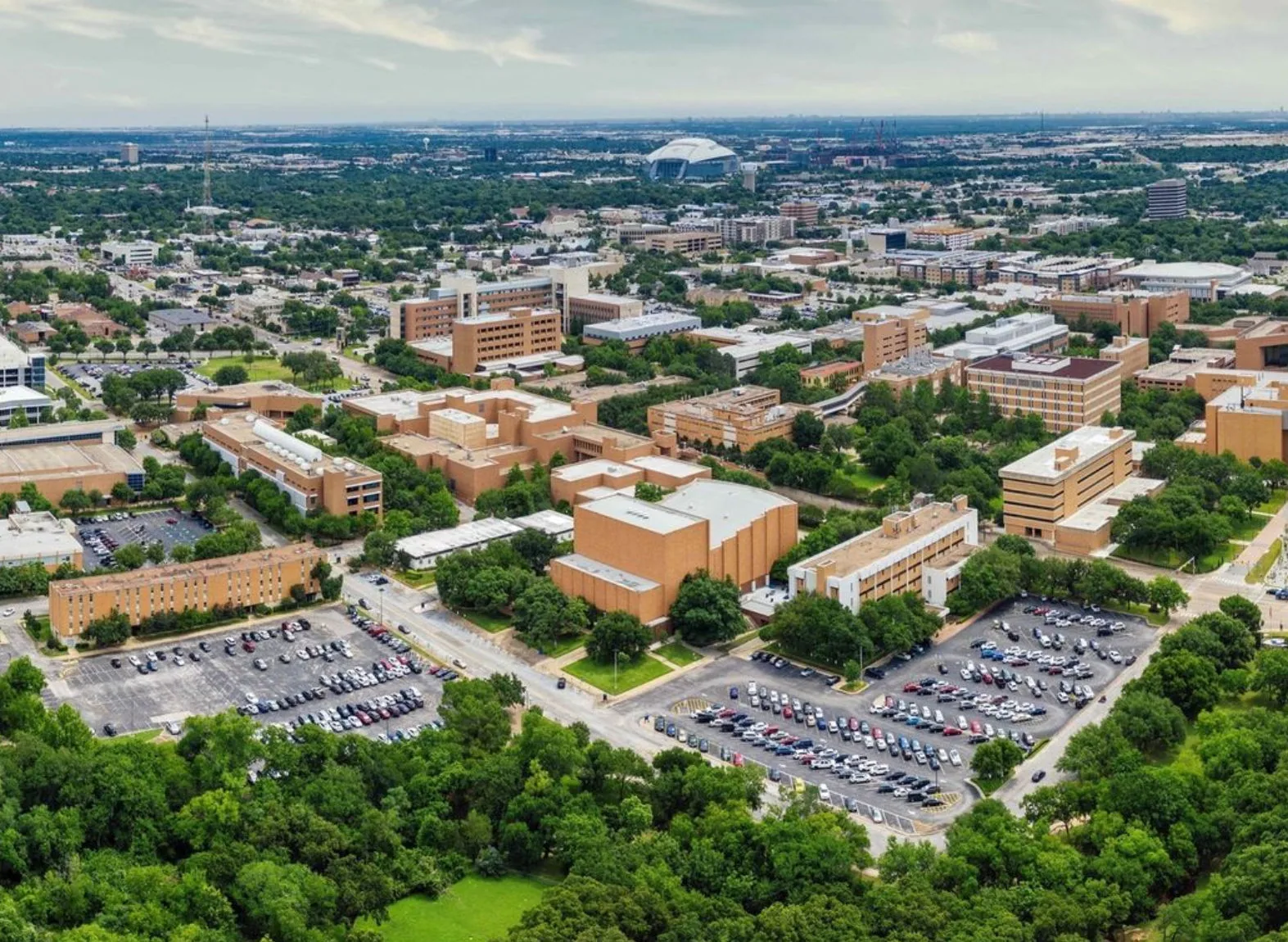
A puddle that outlasts the afternoon is the first thing we measure on a flat roof. Water that stays on a membrane for more than a day or two ages the seams, feeds algae and adds weight to the deck. Arlington lies only about six straight-line miles west of Grand Prairie, so a crew can reach it quickly for an emergency tarp or a planned walk. Arlington's 2022 retail sales topped eight billion dollars, with a smaller but real logistics base behind them, which points to store, office and warehouse roofs. We begin by finding where the water goes, then decide whether the cure is a drain, a patch or a bigger change.
That question usually has a physical answer. A clogged sump, a low spot in the deck or a missing cricket behind a unit each leaves a different mark, and each calls for a different repair.
Water path: tracing each low point to its drain
We walk the roof after rain or after a hose test and mark every area where water lingers. Then we follow each puddle toward its outlet and check what sits between them: a seam, a curb, a ridge of old roofing or a pile of debris. Some roofs were never pitched enough to shed water, and some have settled since they were built.
The rainy seasons matter here. Spring and fall are the wettest transition seasons in the Dallas and Fort Worth area, so drains that were fine in August may be overwhelmed in April. We clear drains and scuppers, test overflow routes and photograph the water level before and after, so any later dispute about ponding has evidence behind it.
A hose test confirms what rain suggests. We run water over one area at a time, starting downslope and working up, while someone inside watches for the first drip. That method isolates a leak to a single detail and prevents the common mistake of sealing three suspects and hoping one was right.
Slope and structure: why ponding develops
Ponding usually has one of three causes: a deck that has deflected, insulation that has crushed, or a drain set higher than the surrounding field. Each has a different fix. Deflection may need a structural opinion. Crushed insulation can be replaced in the affected area and tapered to restore pitch. A high drain can often be reset or supplemented with a new outlet.
When the structure is in question, we recommend an engineer's review rather than guessing. For the common situation of a good deck with tired insulation, insulation and cover board work lets us restore drainage while the membrane is replaced, and it can improve the energy performance of the building at the same time.
Weight is the quiet partner in ponding. Each inch of standing water adds a measurable load per square foot, so a deflected area collects more water and deflects further. Catching the first stage, while the deck is still sound, is far cheaper than repairing the structure later.
Hail and wind: documenting what a storm left
North Texas storm season is a fact of life for building owners. Large hail and damaging winds occur nearly every year somewhere in the Metroplex, though one location is unlikely to see every hazard. After a storm we walk the roof, count and photograph impact marks, check coping and edge metal, and look for punctures or displaced seams.
The goal is a record that separates storm damage from age and wear. That record supports a claim when damage is real and avoids a claim when it is not. For roofs with confirmed impact, hail damage repair can be scoped by section instead of defaulting to full replacement.
Wind leaves a different trail than hail. We look for lifted membrane at corners, displaced cap flashing, torn seams and debris impact marks, and we record the direction of the damage so a pattern can be read. Hail leaves round bruises and granule loss, while wind lifts and peels.
Retail and corporate roofs: working around public hours
Retail roofs sit over customers, stockrooms and fire-rated corridors. Corporate roofs sit over offices and server closets. The access plan for each differs. A store may want rooftop work finished before opening, while an office may prefer afternoon and weekend work.
The I-20 corridor in Grand Prairie is a developing retail and corporate location, a useful reminder that retail and corporate buildings along a highway often share access constraints such as shared parking, limited staging areas and tenant approval for crane lifts. We plan the occupied building work with those limits in view, and we post the schedule for every tenant before the crew arrives.
Storm response and planned work often collide here, because owners want both done at once. We separate the two on the schedule: emergency protection first, then a repair plan that fits the tenant calendar once the roof is dry.
Replacement planning: spreading cost across budget years
When the roof is nearing the end of its life, a staged plan can protect cash flow. We identify the worst sections, replace those first, and schedule the rest as the budget allows, with interim repairs to keep the remaining areas dry. The sequence is tied to condition, not calendar.
Owners weighing options often compare full replacement with a recover. A recover costs less up front, but it requires dry insulation and a sound deck, and it adds weight. We cut cores and take moisture readings to say whether it is possible, then explain both costs and expected life in the proposal.
Warranty status deserves a check before any plan is final. A repair by an unapproved contractor can limit coverage on some systems, so we ask for the existing warranty paperwork early and match the repair method to its terms.
Closeout record: a reference for the next manager
Property managers change. The roof stays. Our record lists each section, the defects found, the repairs made and the photographs, in a format that works for a building file. A manager overseeing roofs in Arlington, Grand Prairie, or Mansfield gets a file built the same way for each roof.
Commercial Roofing Questions
How long can water stand on a flat roof before it becomes a problem?
Water that remains more than two days after rain is worth correcting. Long exposure speeds seam wear, supports algae and loads the deck. We measure depth and duration, then compare the pattern with drain locations to find the cause.
Should an Arlington retail owner file an insurance claim after hail?
File when the roof shows impact damage that can be photographed and tied to the storm date. We document the roof as it stands and let the findings decide. Wear and age are not storm damage, and a clear record keeps the claim accurate.
Can new tapered insulation fix ponding on an older roof?
In many cases it can, when the deck is sound. Tapered insulation builds slope toward drains and removes the low spots. It is installed beneath a new membrane, so the work is usually part of a replacement or a major section rebuild.
What access do you need to start a repair on an upper roof level?
A fixed ladder, roof hatch or exterior stair, plus a hoisting area for materials. We also ask about fall protection tie-off points and any tenant limits on lifts. With those details, the crew arrives prepared and the day is spent on the roof, not on logistics.
How do you decide between patching and recovering a leaking roof?
Moisture readings and core samples tell us. Dry insulation and a sound deck support a recover. Wet insulation or a damaged deck call for removal in the affected area. The proposal lists both options, with the conditions that favor each.
Tell us where the water stands
Share the ponding locations, the roof material if known, whether leaks are active and the best access window. We will walk the roof, trace the water path and document the next scope decision.
Call 555-555-5555 or request a roof assessment.