
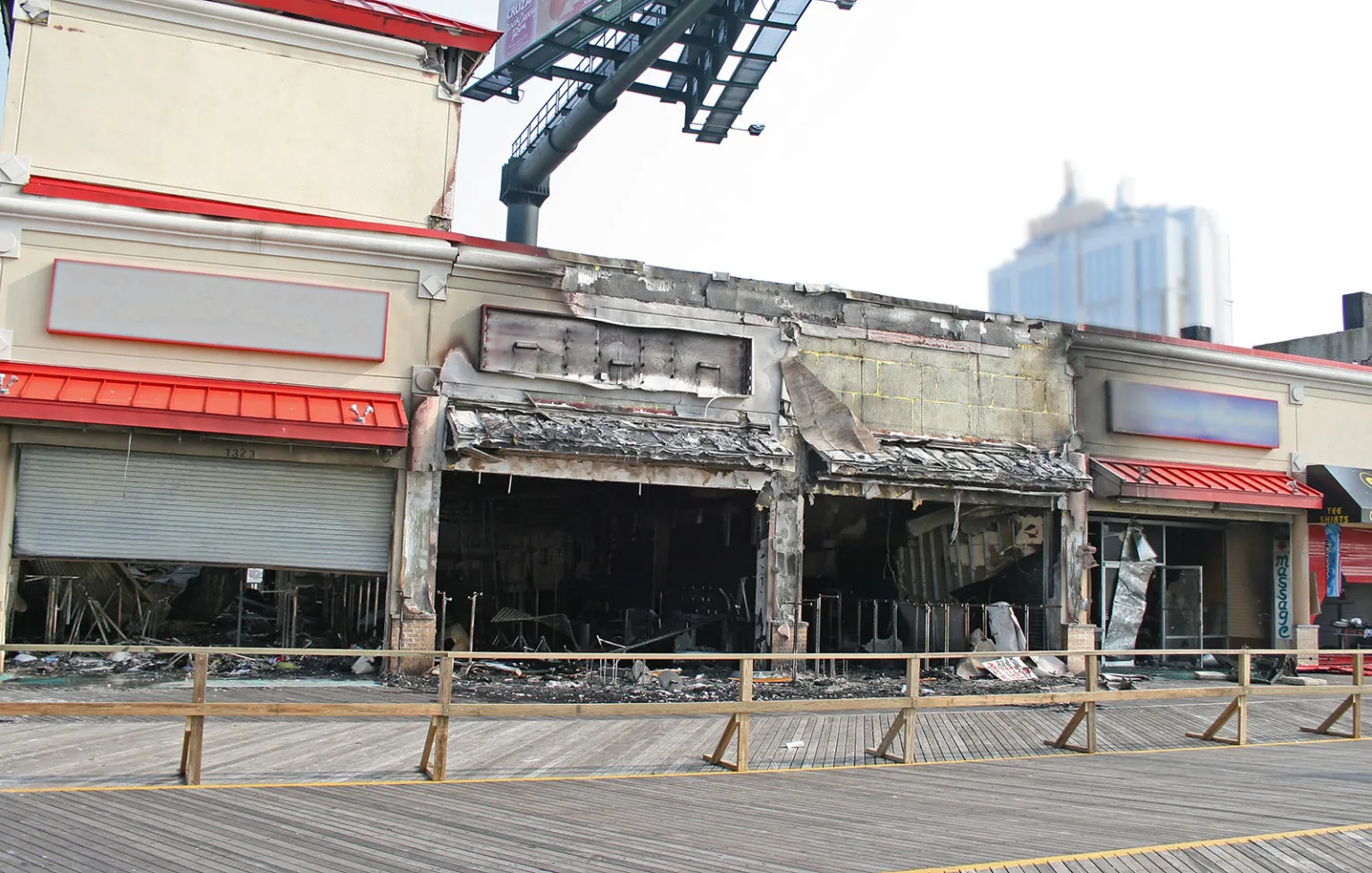
A tornado-related roof report can involve displaced edge metal, impact damage, open seams, and water entry in one work area. We begin only after the property team confirms safe access, then mark the roof zone, nearby hazards, and interior conditions. Tornadoes occur somewhere in the Metroplex nearly every year, but a regional event does not prove damage at a specific address. Grand Prairie’s SH-161 corridor and I-20 district references help with routing; the building inspection sets the repair boundary.
First check: confirm release and isolate hazards
The owner or incident lead confirms that responders have cleared the roof and that electrical, gas, and overhead hazards are controlled. We do not walk loose panels, unstable parapets, or areas that a structural professional has not released. A ground-level survey can record visible openings while access remains restricted. The Diligence Notes names the release contact, inspection limit, and any temporary barrier. This gives the crew and owner one clear boundary before a ladder or lift is positioned.
After a severe wind event, debris can puncture the membrane or obstruct a drain even where the roof edge looks intact. We map impact marks, displaced equipment screens, loose metal, and exposed insulation separately. The building contact identifies interior water reports and restricted areas. A wind damage review can document uplift and edge conditions, while an inspection report records what is visible and what remains untested.
Wind path: inspect edges, corners and attachments
Roof corners, perimeter zones, and changes in height can experience different pressures from the central field. We examine metal edge securement, membrane terminations, fasteners, flashings, and rooftop equipment supports. A pulled edge may signal a local detail failure or a wider attachment issue. We document each location and compare it with available roof plans and prior repair records. The engineer evaluates structural damage; the roofing report identifies the membrane and flashing work that can follow an approved release.
Grand Prairie permit information calls for engineered framing documentation in defined commercial building conditions. If the event appears to affect deck or framing, the owner and engineer determine what needs evaluation before the roofer proceeds. City planning sources identify distribution and warehouse areas near SH-161, but the roof type and wind path must be verified at the property. Roofs in the Great Southwest Industrial District still get checked one building at a time.
Debris and water: follow the opening to its outlet
Wind-driven debris can create a cut, crease, or puncture. We mark the impact point, inspect the membrane around it, and follow the roof slope toward drains and overflows. A ceiling stain can appear away from the entry because water travels beneath the surface. Moisture mapping or an approved opening can estimate insulation involvement. We state the tested area and note where equipment, blocked access, or a wet surface prevented inspection.
Spring is the region’s peak thunderstorm and severe-weather period, with hail, damaging winds, flooding, and tornadoes somewhere across the Metroplex. That context supports a careful inspection, not a claim that every Grand Prairie property experienced the same conditions. We compare any owner-provided event details with the roof evidence. If a drain is obstructed by debris, drain service can be scoped beside the membrane repair rather than hidden within it.
Temporary protection: close urgent openings first
If the structure is released and the work zone is safe, the crew can install a temporary cover or repair that limits additional water entry. We photograph the opening before covering it and record the protection method, attachment points, and expected inspection date. Temporary work is not represented as a permanent repair. The owner receives the remaining scope, including areas requiring engineer review, materials, or additional dry conditions before final installation.
Emergency response may start outside normal office hours, including a holiday, when a safe roof opening needs prompt attention. The first action is to confirm access and stabilize only the released area. Permanent work follows the approved roof map. A puncture repair fits only when the observed defect is a membrane opening; a larger tear or lifted edge stays inside the main tornado repair scope.
Scope comparison: separate repair zones
We compare a local patch, a broader section replacement, and full replacement using the same roof map. The estimate lists edge metal, membrane, insulation, deck allowances, equipment coordination, debris handling, and interior protection. Structural work remains under the engineer’s direction. If multiple roof areas show different damage, each zone gets its own quantity and repair choice. This helps the owner stage work by urgency and access rather than approve a single undefined area.
The I-20 and I-30 corridors, the Central Business District, SH-161, and the Great Southwest Industrial District are separate parts of Grand Prairie. Those broad references can inform crew routing. They do not tell us which property is damaged or which roof needs replacement. If hail or rain accompanied the wind report, the hail inspection can be recorded separately from wind uplift. Water that remains after the event may need a drainage review.
Work sequence: release one roof section at a time
The superintendent sequences work after the owner confirms access and the engineer identifies any restricted structure. The crew stages materials outside emergency lanes, protects drains, and opens only the section it can secure before leaving. Mechanical contractors isolate equipment when required. Any hidden deck damage is photographed and submitted for direction before the roof area is enlarged. The work plan records who may enter each zone and when temporary controls can be removed.
Grand Prairie’s commercial code page lists roof-framing submittal requirements for applicable buildings. The project engineer and city confirm the path when framing or structural repairs are proposed. For membrane work alone, the roofer still documents the detail, repair material, and dry-in point. A commercial repair scope can be phased with a replacement plan if the mapped conditions show different urgency across the roof.
Closeout record: document release and return
At closeout, the owner receives a marked plan, before-and-after photographs, materials, dates, completed areas, and any remaining restriction. The record says whether a temporary cover remains and who will inspect it. It also notes areas that were inaccessible or awaiting structural review, preventing a later manager from reading silence as approval. A follow-up survey can compare the repair with the original event map and identify any water path that changed after the roof was reopened.
For a property in Grand Prairie’s Central Business District or an industrial area near I-20, the facility contact supplies the actual entrance, escort, and delivery instructions. We use those details to schedule the next visit. The city’s severe-weather context helps explain why the owner called, but the mapped roof conditions determine the work. Share current photographs, incident notes, roof records, and release status to plan the next safe inspection.
Commercial Roofing Questions
Can the roof be inspected before the structure is released?
We can record visible conditions from a safe location, but roof access waits for the designated release. Structural questions go to the engineer or incident authority.
Do tornado repairs always need full replacement?
No. The mapped edge, membrane, deck, and moisture conditions determine whether a patch, section repair, or larger project is appropriate.
Can temporary protection be installed immediately?
Only when access is authorized and the work zone is safe. We document the temporary method and return for permanent repair under an approved scope.
How are damaged roof sections priced?
The estimate uses marked quantities and separates membrane, metal, insulation, deck allowances, access, and other trades. Hidden conditions are handled through a written change review.
What records should the owner share?
Provide the incident release, roof plan, prior repairs, interior water reports, and access restrictions. Those records help set the first inspection boundary.
Plan a safe tornado roof review
Share the incident release, roof plan, visible damage, and access limits. We can document safe sections and stage repairs after the owner and engineer approve access.
Call 555-555-5555 or request a roof assessment.